17 Small Space Container Garden Ideas That Actually Produce Food
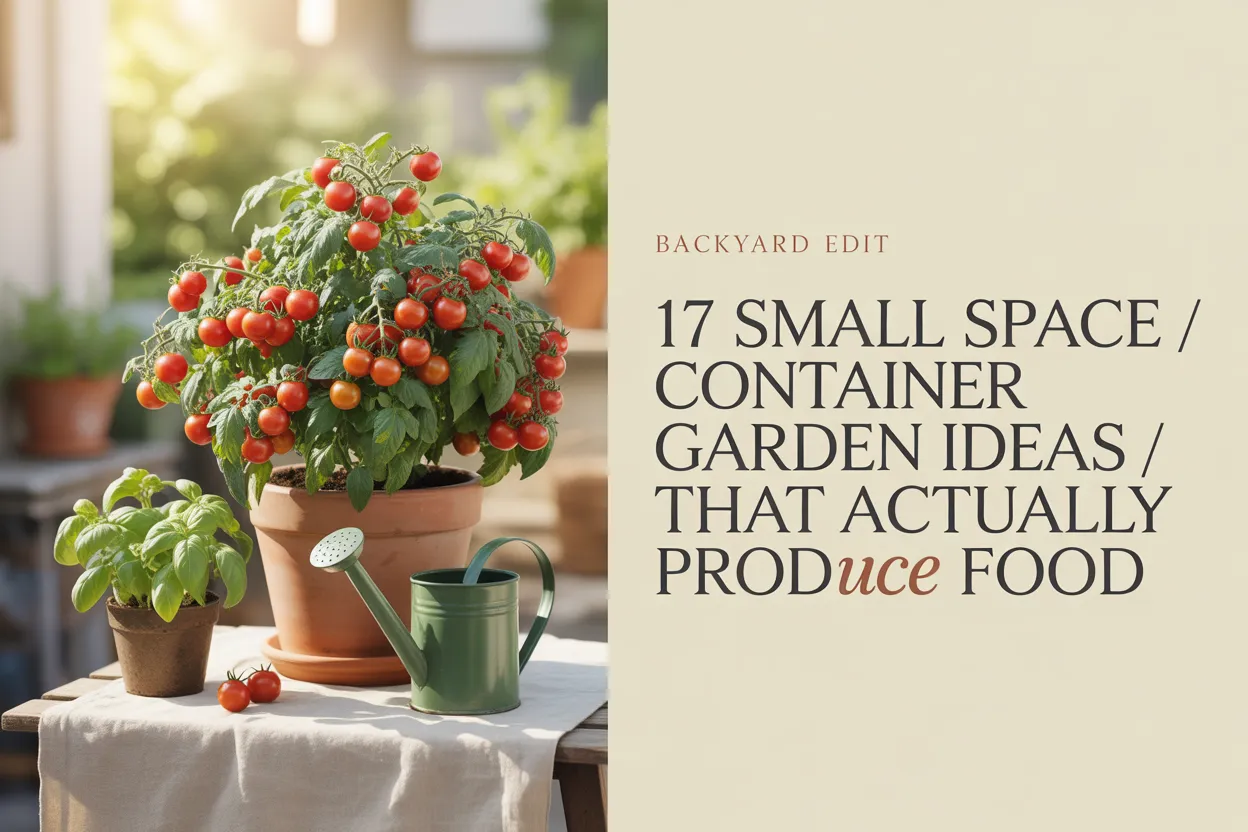
Your patio looks like a sad concrete rectangle. Maybe one cracked plastic pot in the corner, last summer’s tomato cage tipped sideways, and zero reason to step outside with your morning coffee. We’ve all stood there. The good news is that a small space container garden can turn that exact spot into a working edible garden in a single weekend, and you don’t need a yard, a landlord’s blessing, or a green thumb to pull it off.
This guide is organized by space type (balcony, patio, windowsill, fire escape) and by price tier (budget, mid-range, splurge), so you can skip straight to your situation. Every idea answers three questions: what it is, why it works, and how to execute it in real life.
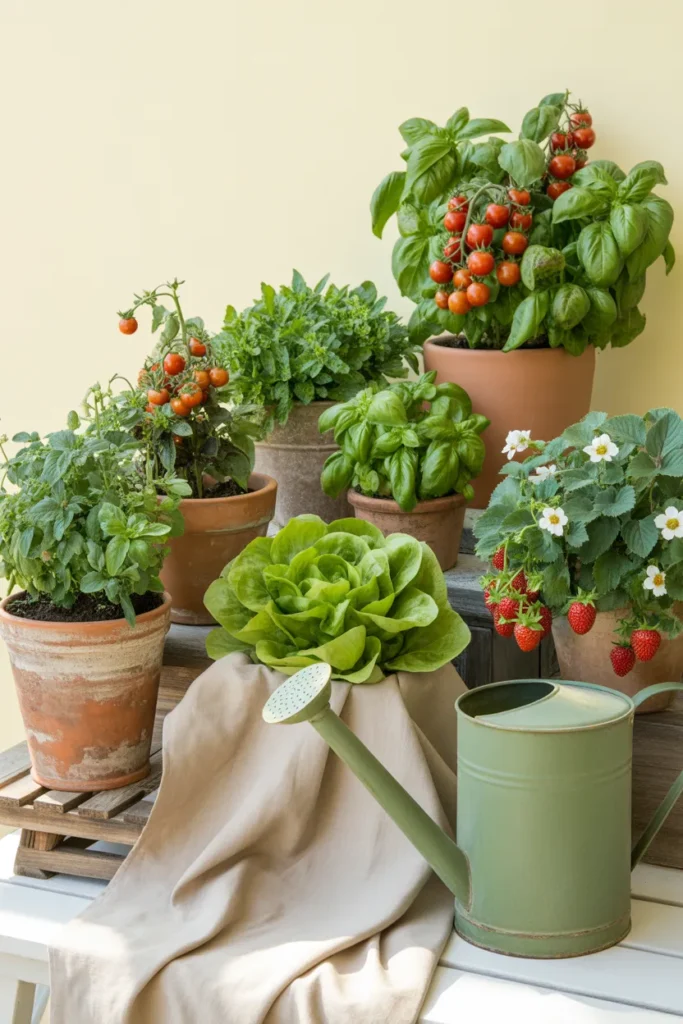
Who This Small Space Container Garden Guide Is For
Quick read on whether you’re in the right place:
- Renters with a balcony, patio, fire escape, or one sunny windowsill
- Homeowners with limited yard, an HOA, or kids and dogs trampling beds
- Apartment dwellers working with as little as 6 square feet of outdoor floor
- Beginners who killed their last houseplant and want a low-stakes win
- Budget gardeners who want a $50 setup that actually produces food
- Decor lovers who want their garden to look like a Pinterest pin, not a science project
If you have a 200 square foot vegetable plot and a tractor, this guide is too small for you. For everyone else, keep reading.
The First Thing to Do Before You Buy a Single Pot
Map your sun. Sit on your patio or balcony at 8 a.m., noon, and 4 p.m. and write down which spots get direct light. According to the USDA, most fruiting vegetables need 6 to 8 hours of direct sunlight to produce. Leafy greens and most herbs are fine with 4 to 6.
Once you know your light, everything else clicks into place. Full-sun spots get tomatoes, peppers, basil. Half-day sun gets lettuce, kale, parsley. Less than 4 hours, you’re growing mint, chives, and microgreens, and that’s still a real harvest.
For a deeper start-up walkthrough, our container gardening for beginners guide covers the soil, drainage, and first-week mistakes that trip up most new growers.
17 Small Space Container Garden Ideas (Organized by Space and Budget)
1. The 5-Gallon Bucket Tomato (Budget, Under $15)
What it is: One determinate or patio-variety tomato in a food-safe 5-gallon bucket with drainage holes drilled in the bottom.
Why it works: Bush tomatoes like ‘Patio Princess,’ ‘Bush Early Girl,’ and ‘Tiny Tim’ max out around 24 inches and produce 8 to 15 pounds of fruit in a single bucket.
How to execute: Pick up a 5-gallon food-grade bucket from Home Depot ($4 to $6), drill four 1/2-inch holes in the bottom, fill with quality potting mix (skip garden soil, it compacts), set a small wire cage inside, plant one seedling, water deeply. That’s it. You just made a $12 garden that feeds two people cherry tomatoes all summer.
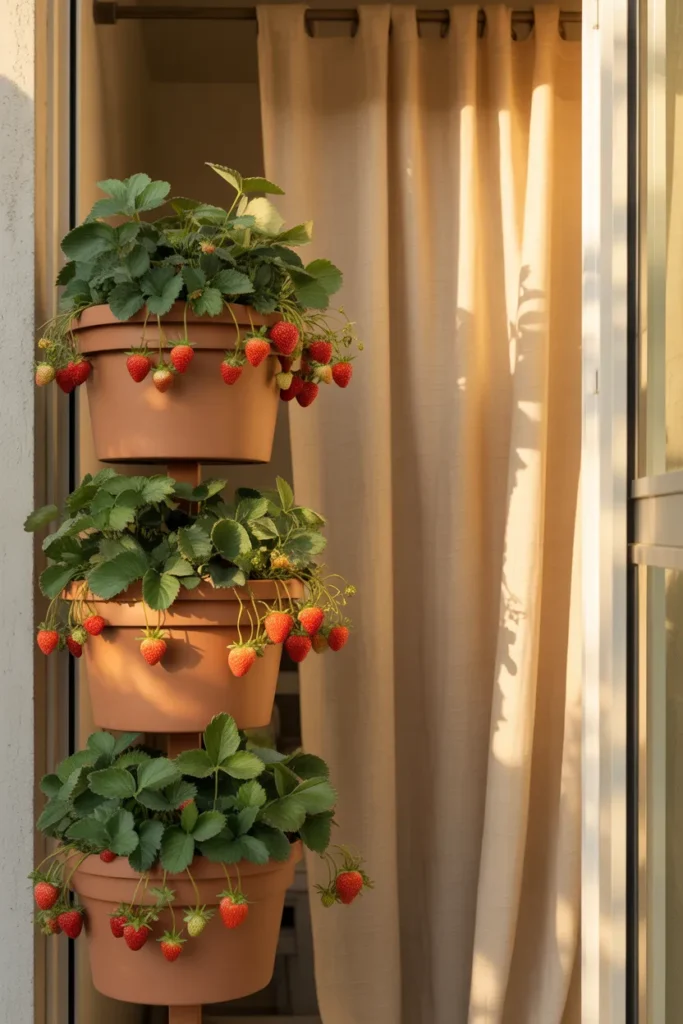
2. The Vertical Strawberry Tower (Mid-Range, $35 to $60)
What it is: A stackable strawberry planter or tiered fabric tower that grows 8 to 15 plants in roughly 1 square foot of floor space.
Why it works: Strawberries are shallow-rooted and thrive in confined containers. Stacking them means a quart of berries from a footprint smaller than a doormat.
How to execute: Target and Amazon both carry stackable terracotta-style towers in the $35 to $50 range. Use everbearing varieties like ‘Albion’ or ‘Seascape’ for harvests from June through October.
3. The Windowsill Herb Trio (Budget, Under $25)
What it is: Three small terracotta pots (4 to 6 inches) holding basil, parsley, and chives on a kitchen windowsill.
Why it works: Herbs are forgiving, fast-growing, and the most expensive thing per ounce at the grocery store. A $4 basil plant pays for itself in two weeks.
How to execute: Pick a south or west window. Use 6-inch terracotta pots from Walmart ($2 to $3 each) on a matching saucer. Snip stems weekly to keep plants bushy. Replace basil every spring; parsley and chives come back season after season.
4. The Salad Bowl Trough (Budget, Under $30)
What it is: A long rectangular planter (24 to 36 inches) packed with cut-and-come-again lettuces.
Why it works: Leaf lettuce grows shallow roots and regrows when you snip it 1 inch above the soil. One trough gives you salad for two people, three nights a week, for 6 to 8 weeks.
How to execute: Get a 30-inch plastic window box from Lowe’s ($12 to $18). Fill with potting mix. Sprinkle a packet of mesclun seeds across the surface, cover with 1/4 inch of soil, mist daily. Harvest starts in 25 days.
5. The Self-Watering Patio Planter (Splurge, $80 to $150)
What it is: A self-watering container with a built-in reservoir that wicks water up into the soil for 5 to 7 days at a time.
Why it works: Containers dry out fast in summer, and one missed watering can crash a tomato plant. Self-watering planters from Lechuza, Bloem, or City Pickers solve this for travelers and forgetful gardeners.
How to execute: West Elm and Crate & Barrel carry the prettier finishes. The City Pickers self-watering raised box ($60 to $90 on Amazon) is the workhorse pick if you want function over looks.
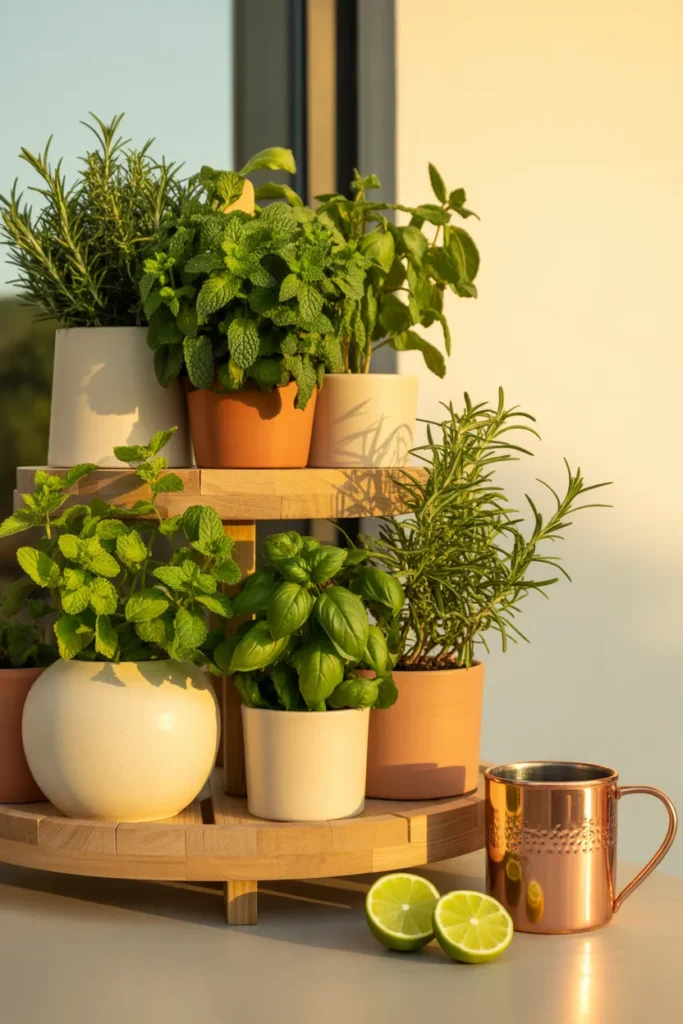
6. The Cocktail Herb Cluster (Mid-Range, $30 to $50)
What it is: A grouped set of three to four pots holding mint, lemon balm, basil, and rosemary, styled together for cocktail garnishes.
Why it works: Mint is invasive, so it needs its own pot anyway. Clustering herbs that pair with summer drinks (mojitos, gin and tonics, lemon balm tea) gives you a working bar garden in 4 square feet.
How to execute: Use mismatched cream and terracotta pots from HomeGoods or TJ Maxx for that organic modern look. Group them on a wood plant stand to add height variation.
7. The Railing Box Pepper Garden (Mid-Range, $40 to $70)
What it is: Two or three over-the-rail planter boxes hung on a balcony rail, each holding one compact pepper plant.
Why it works: Hanging the boxes off the rail uses zero floor space and puts the peppers in maximum sun exposure. Compact varieties like ‘Lunchbox’ or ‘Sweet Heat’ produce 30 to 50 fruits per plant.
How to execute: Confirm your lease and HOA rules first (some prohibit anything that hangs over the railing). Use lockable adjustable rail planters from Amazon ($25 to $35 each). Lockable matters. A windy day on a 12th-floor balcony is not the time to find out yours wasn’t.
8. The Fabric Grow Bag Bean Trellis (Budget, Under $25)
What it is: A 10-gallon fabric grow bag holding pole beans trained up a bamboo tepee or a wall-mounted trellis.
Why it works: Grow bags are lightweight, breathable, and collapse for winter storage. Pole beans go vertical, so 2 square feet of floor delivers 4 to 6 pounds of beans.
How to execute: VIVOSUN 10-gallon grow bags run about $3 each on Amazon. Set three bamboo poles in a tepee, tie at the top, plant six bean seeds at the base. ‘Kentucky Wonder’ and ‘Blue Lake’ are the classic productive picks.
9. The Salsa Container (Mid-Range, $30 to $60)
What it is: One 15 to 20-gallon container holding a single tomato plant, a jalapeño, and cilantro all together.
Why it works: Companion planting in one larger pot gives you everything for fresh salsa in one watering schedule. Cilantro shades the soil and keeps roots cool.
How to execute: Use a 20-inch round resin planter (looks like terracotta, weighs a fraction). Plant one indeterminate cherry tomato in the center, jalapeño on one side, cilantro on the other. Add an onion bulb or two from your kitchen if you want to go full salsa.
10. The Stair-Step Plant Stand Garden (Mid-Range, $50 to $100)
What it is: A 3 to 5-tier wooden or metal plant stand holding small pots of mixed greens and herbs.
Why it works: Vertical staging on stairs or against a wall multiplies your growing footprint by 3 or 4 times. Each tier holds 2 to 4 small pots.
How to execute: IKEA’s SATSUMAS bamboo plant stand ($50) is a cult favorite. Crate & Barrel and CB2 carry sturdier metal versions for $90 to $150. Place in your sunniest corner, load top tiers with herbs, bottom tiers with shade-tolerant greens.
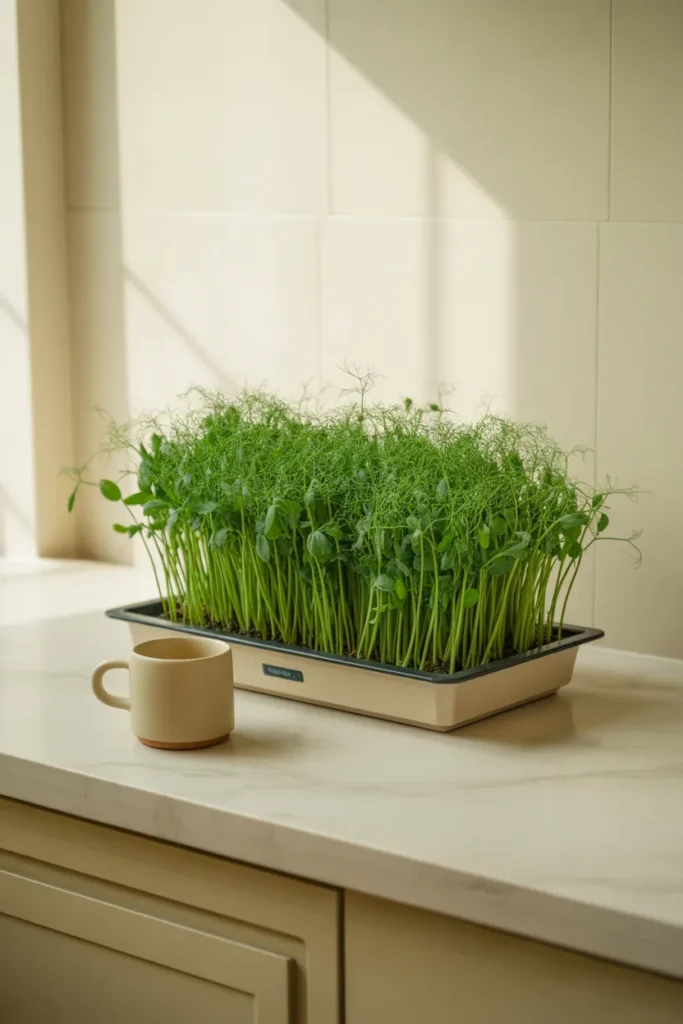
11. The Indoor Microgreen Tray (Budget, Under $20)
What it is: A single 10×20-inch shallow tray growing pea shoots, radish microgreens, or sunflower greens on a kitchen counter.
Why it works: No outdoor space required. Microgreens go from seed to harvest in 7 to 14 days and are nutrient-dense. Works in a north-facing apartment.
How to execute: Get a 1010 tray ($3) and a packet of pea shoot seeds ($4). Soak seeds 8 hours, spread densely on 1 inch of seed-starting mix, mist twice daily, harvest at 4 inches.
12. The Dwarf Fruit Tree in a Pot (Splurge, $100 to $200)
What it is: A genetic dwarf citrus, fig, or blueberry in a 15 to 20-gallon decorative planter.
Why it works: Dwarf ‘Meyer Lemon,’ ‘Bearss Lime,’ and ‘Improved Meyer’ top out at 4 to 6 feet and fruit in containers for years. A single tree adds living architecture to a small patio.
How to execute: Get a 20-inch glazed ceramic planter from Anthropologie Home or West Elm. Use citrus-specific potting mix. A Meyer lemon from a reputable nursery runs $40 to $80. Plan to bring it indoors below 32 degrees Fahrenheit.
13. The Window Box Strawberry Run (Budget, Under $30)
What it is: A standard 24-inch window box holding 6 to 8 ever-bearing strawberry plants.
Why it works: Strawberries are happy in shallow containers, look beautiful trailing over a window box edge, and produce all summer.
How to execute: Plastic 24-inch window box from Walmart ($10), 6 strawberry plants from Lowe’s ($12 to $18 total), good potting mix. Mount on a south-facing window with brackets rated for 25+ pounds when wet.
14. The Hanging Basket Tomato (Budget, Under $30)
What it is: A 12 to 14-inch hanging basket holding one trailing cherry tomato variety like ‘Tumbling Tom’ or ‘Tumbler.’
Why it works: Floor space stays clear. The plant trails downward, ripens evenly in full sun, and adds vertical interest. Each basket produces 3 to 6 pounds of cherries.
How to execute: Use a coco-lined hanging basket ($12), add water-retaining potting mix, plant one seedling, hang from a sturdy ceiling hook (drywall anchor rated for 35 pounds). Renters: command-strip hooks won’t hold this. Use a tension rod with hooks instead, no drilling required.
15. The Shade-Tolerant Greens Box (Mid-Range, $40 to $60)
What it is: A long planter on a north-facing porch holding spinach, kale, arugula, and Swiss chard.
Why it works: Most “I can’t garden, my balcony is shady” people give up too early. Greens want 4 hours of sun. A north-facing porch usually gets it.
How to execute: Use a 36-inch self-watering planter from Bloem ($40 to $50). Direct-sow seeds in early spring and again in late summer for a fall harvest.
16. The Pollinator and Edible Combo Pot (Mid-Range, $35 to $55)
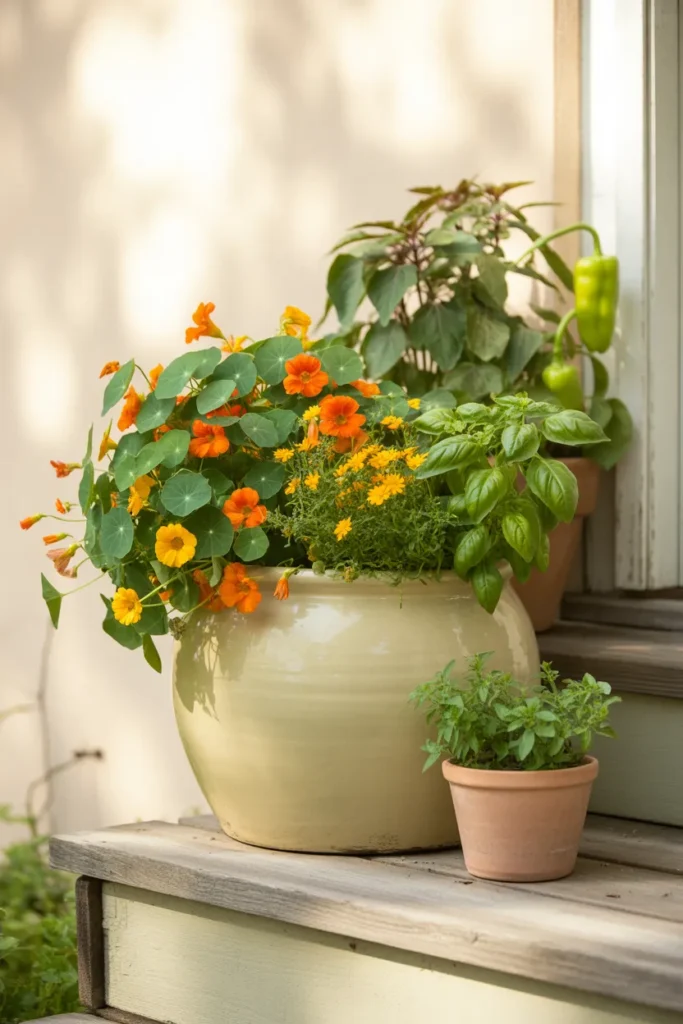
What it is: One large pot mixing edible flowers (nasturtium, calendula, borage) with herbs and one pepper plant.
Why it works: Flowers attract pollinators, which dramatically increases fruit set on your peppers and tomatoes. Bonus, nasturtium leaves and flowers are edible and peppery.
How to execute: Use an 18 to 20-inch glazed pot. Center one pepper or tomato, surround with 2 to 3 herb plants, edge with trailing nasturtium seeds.
17. The Rolling Caster Garden (Splurge, $120 to $200)
What it is: A wheeled wooden or metal planter you can chase the sun with throughout the day.
Why it works: If you have a single 4-hour sun pocket that moves around your patio, rolling your garden lets you double effective sun exposure. Plants get 8 hours instead of 4.
How to execute: Gardener’s Supply Company sells rolling cedar planters around $150. Or build your own with a $25 wood planter and $15 worth of locking casters from Home Depot.
Container Size to Yield: The Cheat Sheet Worth Saving
Here is the screenshot-friendly framework readers ask for most often. Match the pot to the plant or you’ll waste a season.
| Pot Size | What Grows Best | Realistic Yield Per Season |
|---|---|---|
| 1 gallon | Lettuce, herbs, microgreens | 1 to 2 lbs greens |
| 3 gallon | Bush beans, peppers, kale | 2 to 4 lbs |
| 5 gallon | Bush tomato, eggplant, cucumber | 5 to 15 lbs |
| 7 to 10 gallon | Indeterminate tomato, squash, dwarf citrus | 10 to 25 lbs |
| 15 to 20 gallon | Salsa combo, dwarf fruit tree | 15 to 30 lbs |
For a deeper match-up of which vegetables thrive in which container size, our container gardening vegetables guide breaks down 15 first-timer picks with exact pot sizes.
Budget vs Splurge: Where to Save and Where to Spend
Save on:
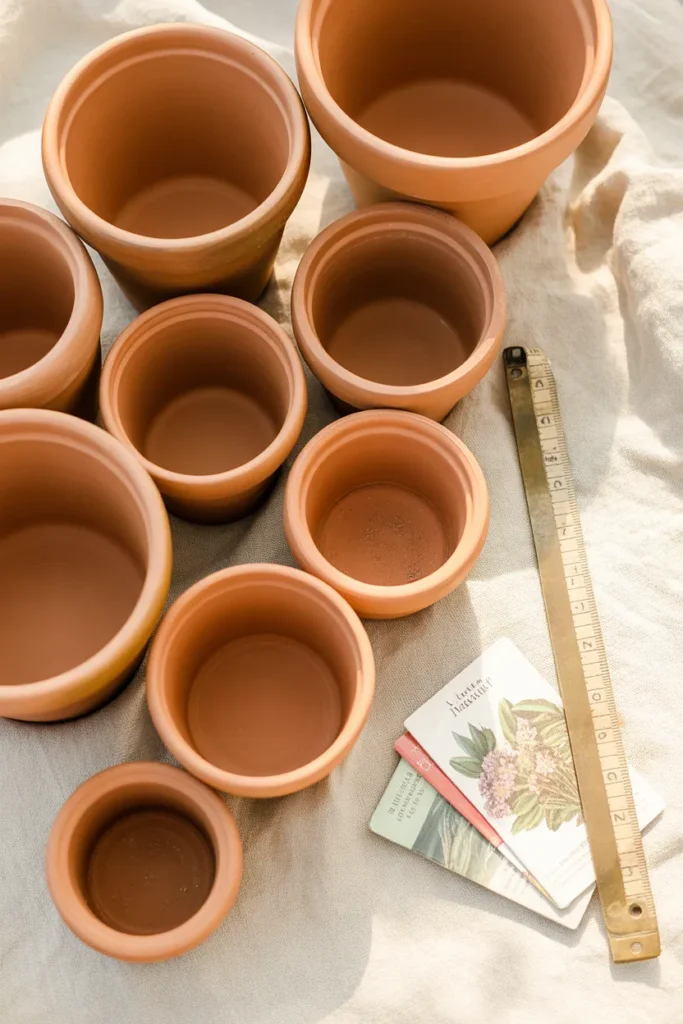
- Pots (terracotta from Home Depot, $3 to $8, or food-safe plastic buckets for $5)
- Plant labels (popsicle sticks and a Sharpie work)
- Trellises (bamboo poles, $5 a bundle, last 3 seasons)
- Watering can (any $10 plastic option does the same job as a $40 brass one)
Spend on:
- Quality potting mix (Espoma Organic, FoxFarm Ocean Forest, $18 to $25 a bag, the difference between a thriving plant and a sad one)
- Self-watering planters if you travel or work long hours ($60 to $90 saves your harvest in July)
- Seedlings from a local nursery, not big-box racks (healthier roots, better varieties, $4 vs $3)
- One statement glazed planter for visual anchor (Anthropologie Home, $80 to $140, lasts a decade)
The total minimum investment for a productive small space container garden runs around $75 to $100. A more curated setup with self-watering planters and decorative pots lands closer to $300. Both produce real food.
Renter-Friendly Setup Rules Nobody Tells You
This section is the one most competitor articles skip entirely. If you rent, read this twice.
- Weight limits matter. A 20-gallon planter filled with wet soil weighs 150+ pounds. Most balconies are rated for 50 to 100 pounds per square foot. Group heavy pots near load-bearing walls, not center.
- Drainage is a liability. Water dripping onto the neighbor below is a real lease violation. Use saucers under every single pot and elevate them on pot feet so water doesn’t pool.
- No drilling means no permanent trellises. Use freestanding bamboo tepees or tension rods between rail and ceiling for vertical support.
- Hanging anything off a railing usually requires lockable brackets. Check your lease and HOA bylaws before mounting railing planters.
- Move-out math: plan to leave pots, not soil. Empty mix into a yard waste bag, scrub pots, take them with you.
For more rental balcony layout tips and styling ideas, see our balcony ideas collection for setups that pack a lot into 30 square feet.
Common Mistakes to Avoid
After testing dozens of setups across two rental balconies and one tiny postage-stamp patio, these are the mistakes I see new container gardeners make over and over.
Mistake 1: Using garden soil instead of potting mix. Garden soil compacts in pots, suffocates roots, and holds disease. Always use a bagged potting mix labeled for containers. The USDA’s container gardening guidance confirms that soilless mixes drain better and reduce disease pressure.
Mistake 2: Skipping drainage holes. No drainage equals root rot in 7 to 10 days. If a pot is sealed, drill 4 holes in the bottom or pick a different pot.
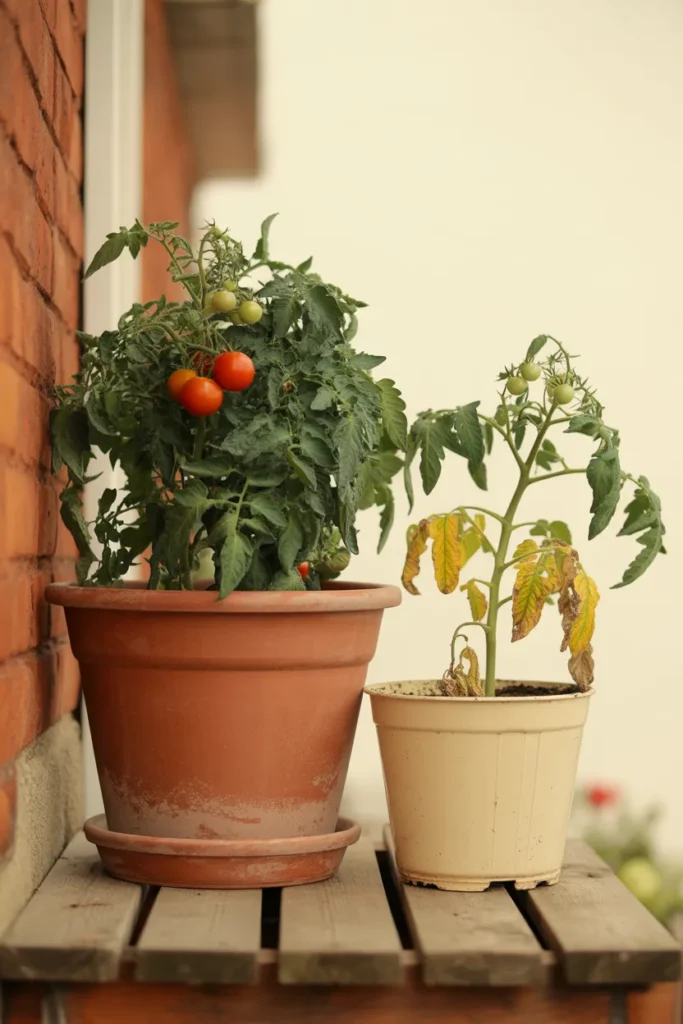
Mistake 3: Pot too small. A tomato in a 1-gallon pot will produce maybe 1 pound of fruit. The same plant in a 7-gallon pot produces 15 pounds. Size up.
Mistake 4: Mixing plants with different water needs in one pot. Rosemary wants dry, basil wants moist. Putting them together kills one.
Mistake 5: Planting too early. Container soil heats up faster than ground soil but also chills overnight. Wait until nighttime lows are consistently above 50 degrees Fahrenheit for warm-season crops.
Mistake 6: Overwatering. Stick a finger 1 inch into the soil. Dry, water. Damp, wait. Containers drown plants more often than they dehydrate them in spring.
Styling Your Small Space Container Garden Like a Magazine
The reason most container gardens look messy is mixed pot finishes. Pick a palette and stick with it.
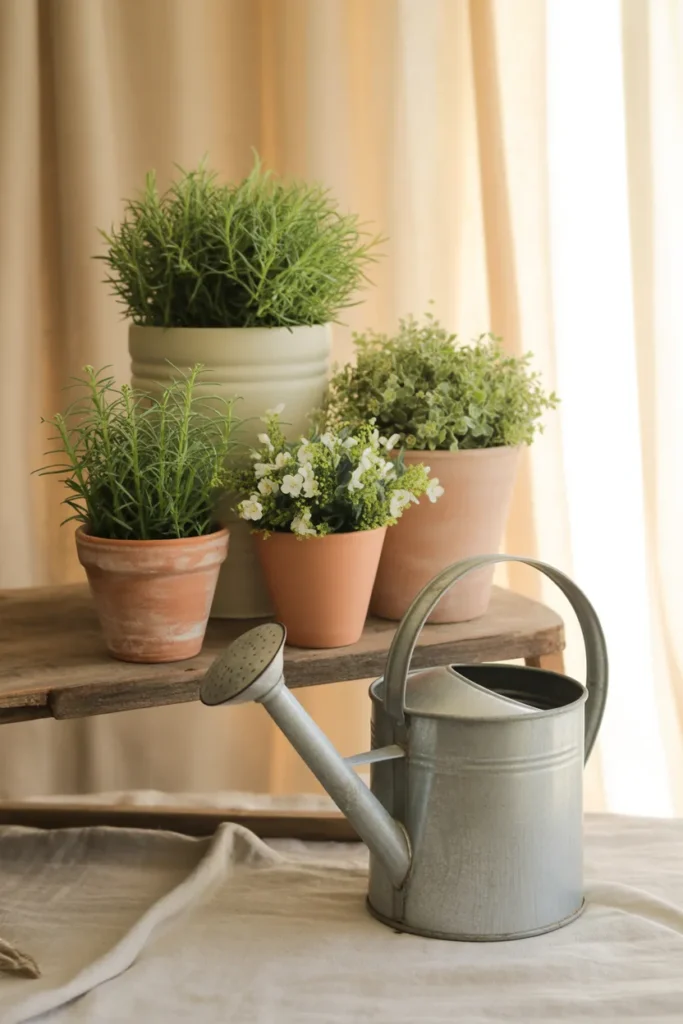
- Cottagecore: terracotta + cream + sage green + galvanized metal
- Organic modern: matte cream + warm beige + raw wood + black accents
- Coastal: white glazed + driftwood + jute rope + pale blue accent
- Japandi: charcoal stoneware + light wood + one green plant per pot, no clutter
Group pots in odd numbers (3, 5, 7) at varied heights using plant stands or stacked bricks. Add one styling element that isn’t a plant: a cream linen runner on a patio table, a vintage watering can, a stack of clay saucers. That one detail is the difference between “garden” and “garden you’d photograph.”
Small Space Container Garden FAQ
What vegetables grow best in a small space container garden?
The most productive picks for tight spaces are bush tomatoes, peppers, leaf lettuce, bush beans, herbs (basil, parsley, chives, mint), strawberries, and radishes. These all do well in pots between 1 and 7 gallons and produce within 30 to 75 days.
How do I do this in a small space or rental?
Stick to lightweight pots (resin or fabric grow bags), use over-the-rail planters that lock in place, group heavy containers near load-bearing walls, always set saucers under every pot to catch drainage, and skip anything that requires drilling.
What is the budget version of this idea?
The bare-bones starter setup is one 5-gallon food-grade bucket from Home Depot ($5), a bag of potting mix ($15), and a single seedling ($4). That’s a $24 garden that can produce 10+ pounds of cherry tomatoes. Add a $3 grow bag and a packet of lettuce seeds, and you’re at $30 with two productive containers.
What if I do not have outdoor space at all?
Grow microgreens, sprouts, and herbs indoors on a sunny windowsill. A single 10×20-inch tray of pea shoots produces a harvest in 10 days. A south-facing windowsill can support basil, parsley, chives, and mint year-round with no special equipment.
How long does this project take?
Initial setup of a 4 to 6 pot small space container garden takes about 2 to 3 hours from store run to last seedling planted. First harvest of leafy greens hits at 25 to 30 days. Tomatoes and peppers start producing at 60 to 80 days from transplant.
How deep should containers be for vegetables?
Lettuce, herbs, and radishes need 6 inches minimum. Bush beans, peppers, and Swiss chard need 8 to 10 inches. Tomatoes, cucumbers, and eggplants need at least 12 inches and prefer 14 to 16 inches.
Do small space container gardens need full sun?
Fruiting vegetables (tomatoes, peppers, cucumbers) need 6 to 8 hours of direct sun. Leafy greens and most herbs thrive in 4 to 6 hours. Mint, chives, parsley, and microgreens produce in as little as 3 hours of bright light.
Your Next Step
Start with one pot. Truly, just one. Pick the idea on this list that matches your sun, your budget, and your space, and commit to that single setup this weekend. Most readers who try to launch 10 pots at once burn out by July. The ones who start with a 5-gallon bucket of cherry tomatoes are the ones still gardening in three years.
Save this post to your Pinterest board so you can reference the container size chart and the budget vs splurge breakdown when you head to the garden center. Then head over to our container gardening for beginners guide for the soil, watering, and fertilizer routine that keeps everything alive past week two.
What are you planting first?