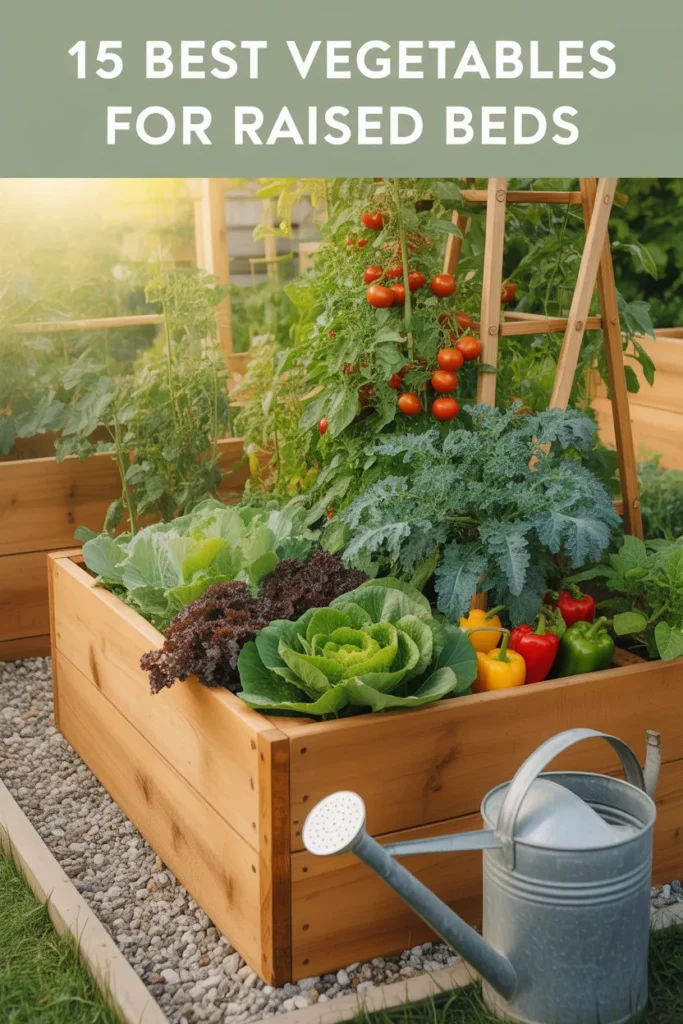
15 Best Vegetables for Raised Beds: A Beginner’s Guide to a High-Yield, Beautiful Garden
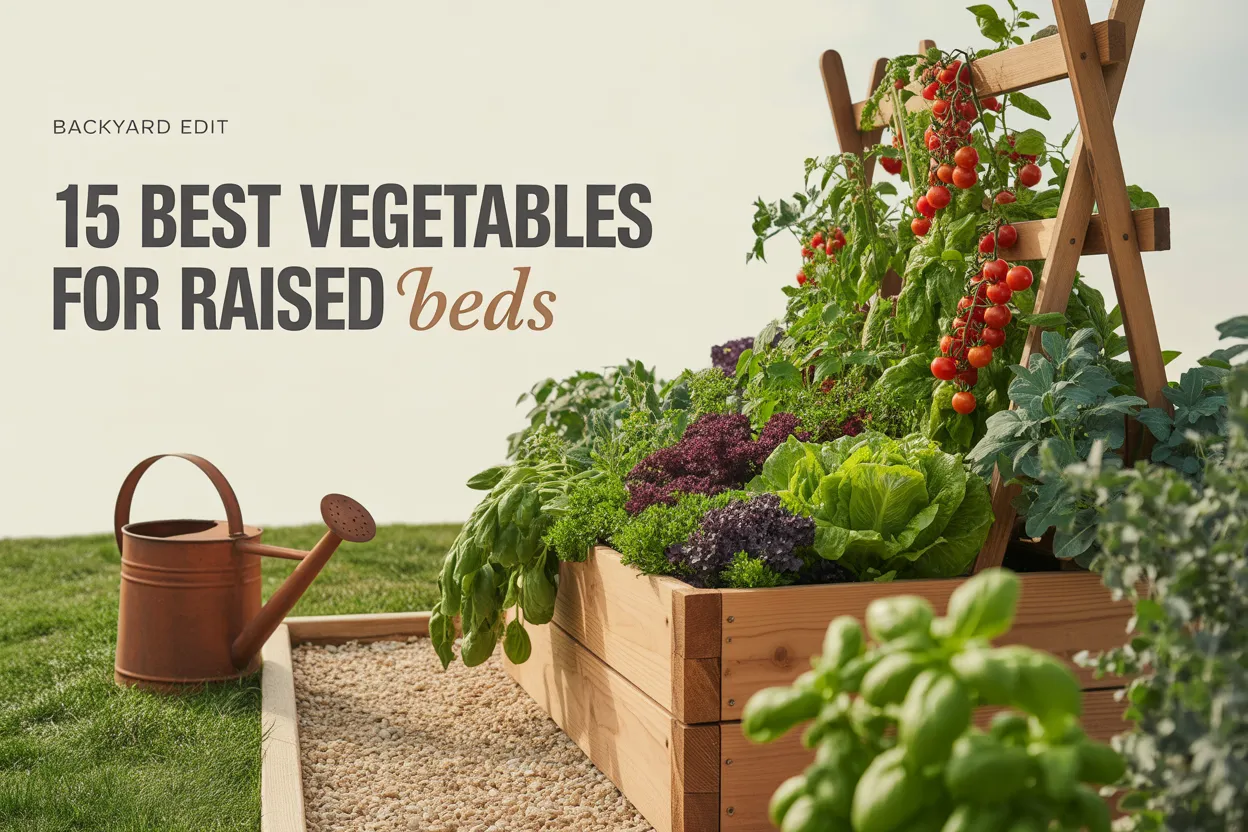
The yard looks fine, sure. But that empty stretch of grass behind the patio? It’s doing nothing for you. No tomatoes warm from the sun, no rosemary brushing against your ankles, no reason to step outside on a Saturday morning with a cup of coffee and pride.
Raised beds change that. And the difference between a thriving raised bed garden and a sad, leggy mess almost always comes down to one decision: picking the best vegetables for raised beds in the first place.
I’ve built and replanted my own raised beds five springs in a row now (yes, I learned the hard way that pumpkins and a 4×4 cedar box do not get along). What follows is the cheat sheet I wish I’d had on day one, organized by root depth and difficulty so you can match each vegetable to the bed you actually own. We’ll cover what to plant, what to skip, the soil mix that makes everything taste better, and a few aesthetic touches that turn your garden into a Pinterest-worthy backyard zone.
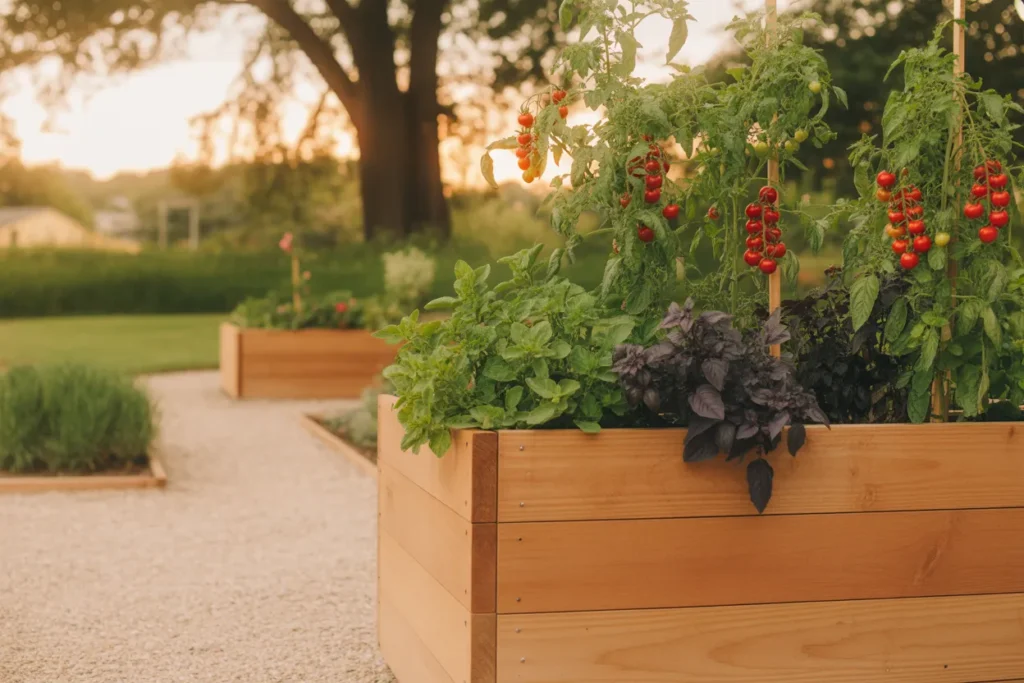
Who This Guide Is For
This post is built for:
- Beginner gardeners planting their first raised bed (no, you will not kill everything)
- Renters and patio dwellers using elevated beds with legs or fabric grow bags
- Small-space homeowners with a single 4×8 bed and big ambitions
- Style-conscious gardeners who want the harvest and the aesthetic
- Budget-minded planters working with $50 or less for the season
If your raised bed is somewhere between 6 and 24 inches deep, sits in 6 or more hours of sun, and you want food on the table by midsummer, you’re in the right place.
Why Raised Beds Outperform In-Ground Gardens
Before we get to the vegetable list, here’s why this format wins. Raised beds drain better, warm up two to three weeks earlier in spring, and let you control your soil from scratch (which matters more than almost any other gardening decision). According to the University of Florida IFAS Gardening Solutions team raised beds also reduce soil compaction because you never step inside them, which means roots get the loose, oxygen-rich environment they crave.
Translation: your tomatoes will thank you.
If you’re still in the planning phase, my complete raised garden beds for beginners walkthrough covers sizing, placement, and material choices before you spend a dollar.
How I Picked These 15 Vegetables (the Raised Bed ROI Score)
Not every vegetable earns a spot in a raised bed. To make the cut, each pick scored well on four things:
- Yield per square foot (how much food it produces in a small footprint)
- Beginner difficulty (1 = forgiving, 5 = fussy)
- Harvest window (longer = better return on your effort)
- Pinterest-pretty factor (because we’re styling an outdoor room, not just a grocery list)
Front-loaded for you: if you only plant one thing this year, plant bush beans. Highest beginner success rate, fastest reward, prettiest plant. Full breakdown below.
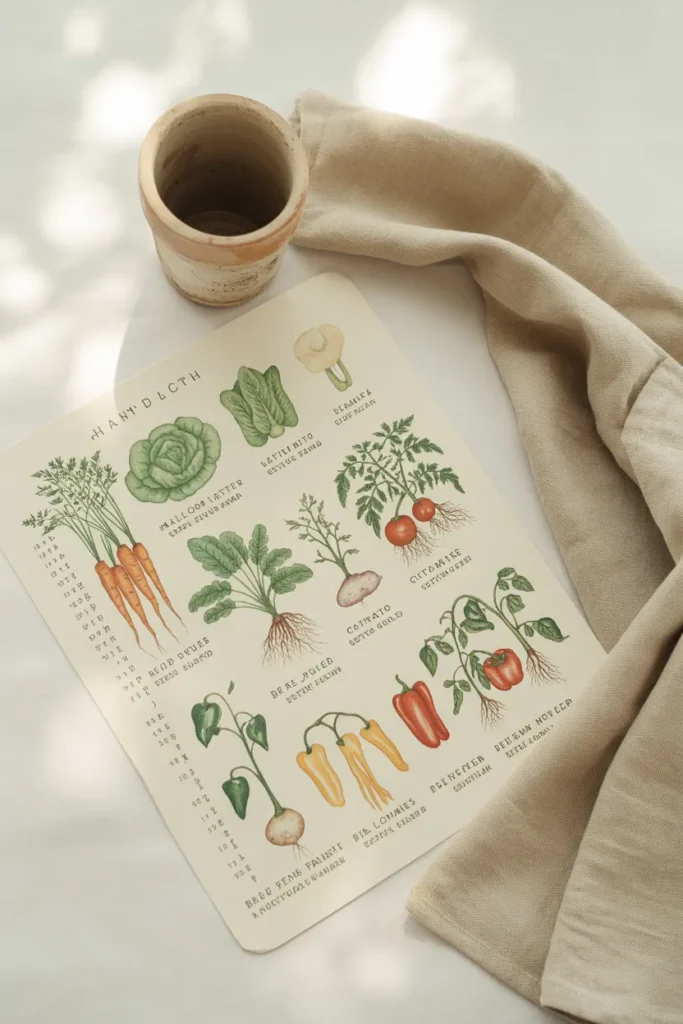
Root Depth Cheat Sheet (Screenshot This)
Match the vegetable to your bed depth. This single table will save you more failed harvests than any other tip in the article.
| Bed Depth | Root Depth Needed | Vegetables That Thrive |
|---|---|---|
| 6 to 8 inches | Shallow (under 12 in) | Lettuce, spinach, arugula, radishes, green onions, herbs |
| 12 inches | Medium (12 to 18 in) | Bush beans, peppers, eggplant, kale, chard, beets, broccoli |
| 18 to 24 inches | Deep (18 to 24+ in) | Tomatoes, carrots, parsnips, sweet potatoes, summer squash |
If your bed is sitting at 12 inches (the most common DIY size), you have the widest planting range of any depth. Lucky you.
The 15 Best Vegetables for Raised Beds
Organized by root depth, shallowest to deepest, so you can scroll straight to the section that fits your bed.
Shallow-Root Champions (6 to 12 inch beds)
1. Loose-Leaf Lettuce
What it is: Cut-and-come-again varieties like Black Seed Simpson, Buttercrunch, and Red Sails.
Why it works: Lettuce has a tiny 4 to 6 inch root system, so it thrives in the shallowest beds and even window box planters. It also bolts less in raised beds because the soil drains better than ground gardens.
How to grow it: Direct sow seeds about 1/4 inch deep, every two weeks from early spring through fall (a tactic called succession planting). Harvest outer leaves and the plant keeps producing for six to eight weeks. In summer heat, plant on the shaded side of taller crops like pole beans or sunflowers.
2. Spinach
What it is: Cool-season leafy green that prefers temps under 70°F.
Why it works: Spinach is fast (40 to 50 days from seed to plate) and its shallow roots love the loose soil of a raised bed. Bolts hard in heat, so plant in early spring or fall.
How to grow it: Direct sow 1/2 inch deep, 2 inches apart. In Northern Hemisphere zones, plant by mid-March or in early September for a fall crop.
3. Radishes
What it is: The fastest vegetable you’ll ever grow, ready in 25 to 30 days.
Why it works: Radishes are confidence builders. They sprout in three days and you’ll be eating them before your tomato seedlings even flower.
How to grow it: Direct sow 1/2 inch deep, thin to 2 inches apart once seedlings emerge. Plant a small batch every 10 days for continuous harvest.
4. Arugula
What it is: Peppery salad green that’s somehow always $5 a bag at the grocery store.
Why it works: Grows in 30 days, tolerates partial shade, and adds a Cottagecore softness when allowed to flower (white blooms, very Pinterest).
How to grow it: Sprinkle seeds on the surface, press in lightly, water, walk away. That’s the whole process.

5. Green Onions and Bunching Onions
What it is: Multiplier onions and scallions you cut from the top instead of pulling from the soil.
Why it works: They regrow after cutting, take up almost no horizontal space, and you can tuck them between bigger plants as living edging.
How to grow it: Plant sets (small bulbs) 1 inch deep, 2 inches apart. Cut the green tops about 2 inches above the soil and watch them regrow within a week.
Medium-Root Producers (12 inch beds)
6. Bush Beans
What it is: Compact, non-climbing beans like Provider, Contender, and Royal Burgundy.
Why it works: This is the highest-ROI vegetable on the list. Bush beans fix nitrogen back into your soil (bonus for next year’s crop), don’t need a trellis, and produce a heavy harvest in 50 to 55 days. After testing four varieties in my own beds, Provider was the clear winner for flavor and yield.
How to grow it: Direct sow 1 inch deep, 4 inches apart, after your last frost date. Once they start producing, harvest every two days to keep new pods coming.
7. Sweet and Hot Peppers
What it is: Bell peppers, banana peppers, jalapeños, shishitos, poblanos.
Why it works: Peppers love warm raised bed soil. They stay compact (most varieties top out at 24 to 36 inches tall) and produce all summer with minimal fuss.
How to grow it: Buy starts from a nursery (peppers are slow from seed). Transplant after nighttime temps stay above 55°F, space 18 inches apart, and mulch heavily to keep roots cool.
8. Kale and Swiss Chard
What it is: Heavy-leafed greens that take cool weather and heat in stride.
Why it works: One plant produces leaves for six months. Rainbow chard (‘Bright Lights’ variety) is also stunning, neon stems in pink, gold, and red that look like landscape design more than food.
How to grow it: Direct sow or transplant, 12 inches apart. Harvest outer leaves continuously, never the center.
9. Beets
What it is: Sweet earthy roots plus tender greens (you eat both).
Why it works: Beets do double duty. Roots go in your roast pan, tops go in your salad. They tolerate crowded planting (4 inches apart) so you maximize space.
How to grow it: Direct sow 1/2 inch deep. Each “seed” is actually a cluster, so thin to one plant per spot once seedlings reach 2 inches tall.
10. Broccoli
What it is: Cool-season brassica that produces a main head plus side shoots for weeks after.
Why it works: Plant in early spring or fall. The raised bed warms early and gives you a jumpstart of three to four weeks over in-ground gardens.
How to grow it: Transplant starts 18 inches apart. After cutting the main head, leave the plant in the ground, side shoots will keep coming.
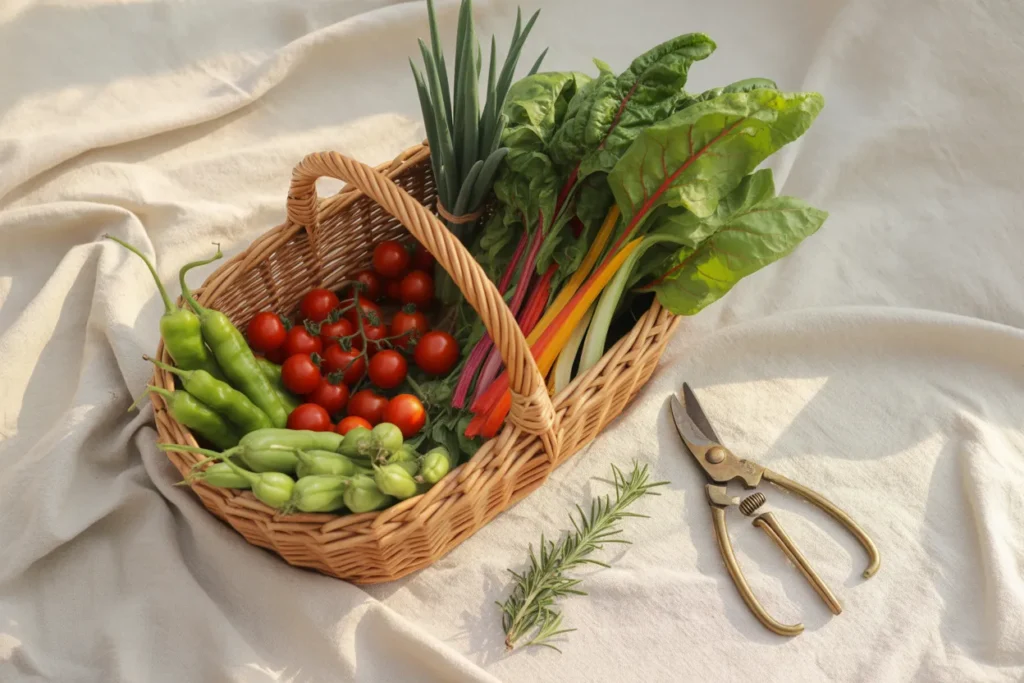
Deep-Root Heavy Hitters (18 to 24 inch beds)
11. Tomatoes
What it is: The reason most people start a garden in the first place.
Why it works: Tomatoes need depth (their roots can reach 24 inches), and raised beds deliver that depth plus the warm, well-drained soil they demand. Determinate varieties (bush types like Roma and Celebrity) work best in 4×4 beds. Indeterminate types (Sungold, Cherokee Purple, Brandywine) need a sturdy cage and a 24 inch deep bed.
How to grow it: Transplant starts after last frost, bury two-thirds of the stem (yes, really, they’ll grow roots along the buried section), and space 24 inches apart. Mulch to lock in moisture.
12. Carrots
What it is: A raised bed perfectionist’s dream because the loose soil lets them grow straight.
Why it works: Carrots fail in compacted clay soil. Raised beds with sandy loam mix produce the storybook-shaped carrots you see at the farmers market.
How to grow it: Direct sow 1/4 inch deep. Keep the surface moist for the 14 to 21 day germination window (this is the tricky part). Thin to 2 inches apart once tops are 3 inches tall. For 12 inch beds, choose short varieties like Parisian or Little Finger.
13. Cucumbers
What it is: Bush varieties (Spacemaster, Bush Champion) for compact beds, vining types (Marketmore, Lemon) when you have a trellis.
Why it works: Vertical-trained cucumbers free up serious bed real estate. One trellised plant produces 15 to 20 pounds in a season.
How to grow it: Direct sow 1 inch deep after last frost, train onto a trellis on the north side of your bed (so they don’t shade everything else). Water consistently, irregular watering causes bitter fruit.
14. Summer Squash and Zucchini
What it is: The vegetable that makes you regret planting more than two of it.
Why it works: One plant feeds a family. Choose bush varieties for raised beds (Bush Baby, Patio Star), and stick to one or two plants per 4×8 bed.
How to grow it: Direct sow 1 inch deep, 36 inches apart. Harvest when fruits are 6 to 8 inches long, the smaller the sweeter.
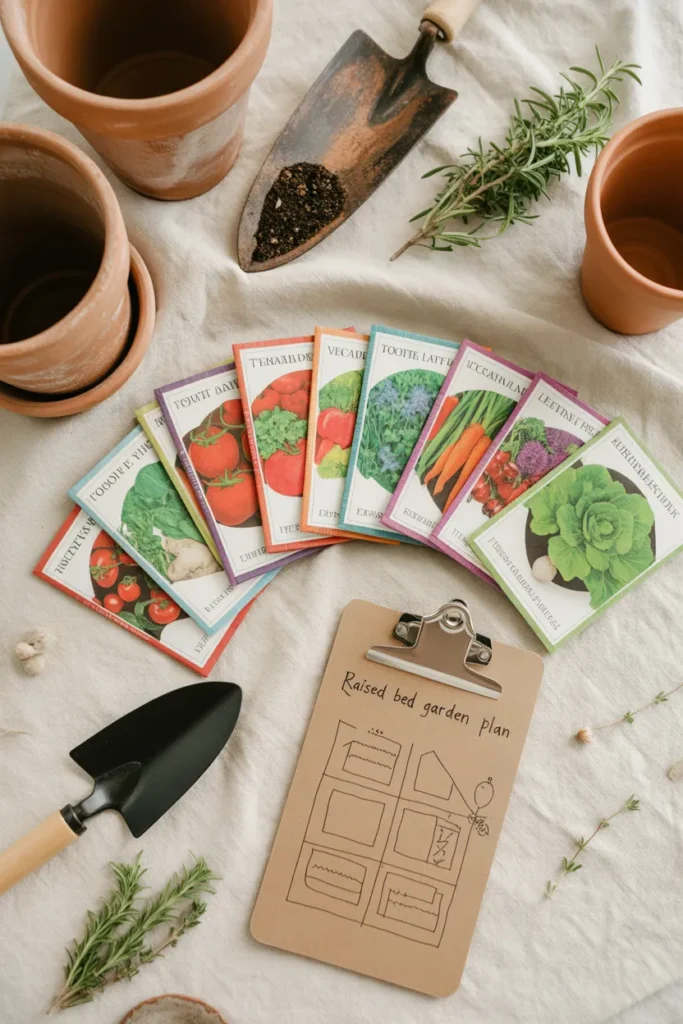
15. Sweet Potatoes
What it is: The surprise winner for deep beds in warm zones.
Why it works: Sweet potatoes love the loose, deep soil of a raised bed and produce an absurd yield. Vines also serve as edible groundcover.
How to grow it: Plant slips (rooted cuttings, not seeds) after the soil reaches 65°F. Space 12 inches apart, harvest in fall before the first frost.
Vegetables to Skip in Raised Beds
Not every vegetable plays well here. Skip these or save them for an in-ground spot:
- Corn: Needs to be planted in blocks of at least 16 plants for pollination. Eats up too much space.
- Pumpkins and winter squash: Vines will swallow the entire bed and creep across your yard.
- Watermelons: Same vining problem, plus they need 100+ days of space and root run.
- Asparagus: Permanent crop that takes three years to establish. Better in a dedicated bed of its own.
- Artichokes: Massive plants (4 feet wide) that crowd out everything else.
The Raised Bed Soil Mix That Changes Everything
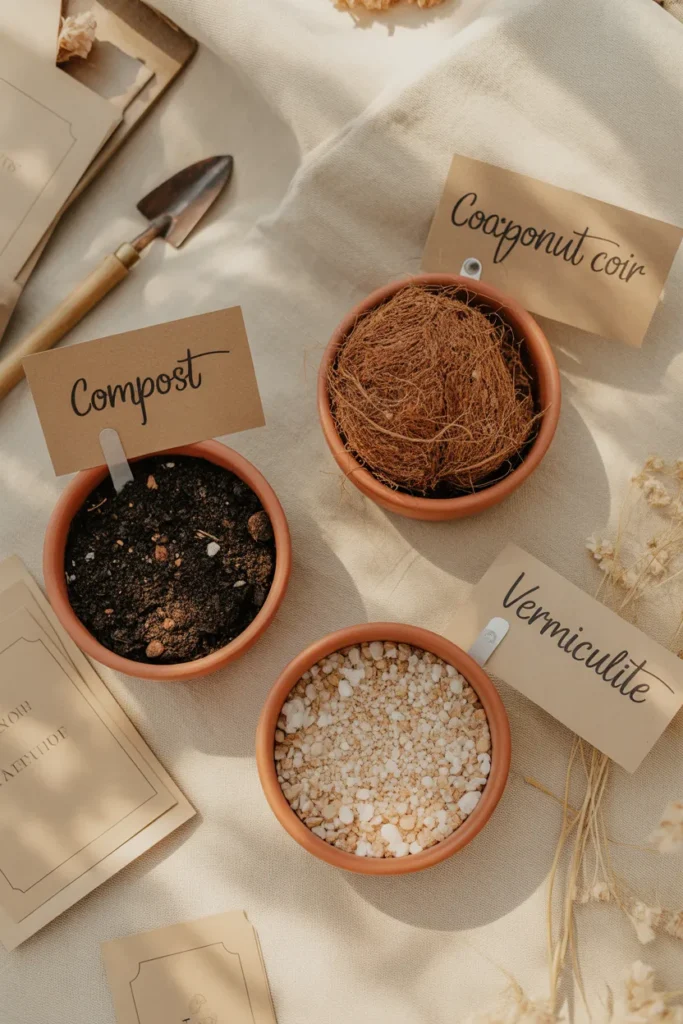
Soil is 80% of your success. The most reliable formula for vegetable raised beds is Mel’s Mix (popularized by Square Foot Gardening): one-third compost, one-third peat moss or coconut coir, one-third coarse vermiculite. The USDA also recommends building your soil with a blend of organic matter and mineral content for sustained vegetable production across hardiness zones.
If Mel’s Mix is over budget, here’s a simpler formula I’ve used: 50% high-quality bagged garden soil, 30% compost, 20% coarse perlite. Buy in bulk from a local landscape supplier and you’ll cut costs in half versus bagged.
For a deeper dive on builds and soil sourcing, see my DIY raised garden bed plans with full soil shopping lists.
Budget vs Splurge: Where to Save and Where to Spend
| Category | Budget (under $50) | Mid-range ($50 to $200) | Splurge ($200+) |
|---|---|---|---|
| Bed material | Untreated pine boards from Lowe’s, painted with milk paint | Cedar 4×8 kit from Home Depot or Costco | Galvanized steel beds from Vego or Birdies |
| Soil | DIY mix with bulk landscape supplier delivery | Bagged Mel’s Mix components from Lowe’s | Pre-mixed Coast of Maine raised bed soil |
| Seeds and starts | Dollar Tree seed packets, neighbor swaps | Burpee or Botanical Interests packets | Heirloom varieties from Baker Creek |
| Watering | Hand watering with a galvanized can | Soaker hose from Home Depot | Drip system with timer from Drip Depot |
If you’re tight on budget for the bed itself, my cheap raised garden bed ideas roundup shows seven builds under $40.
Layout Tips for a 4×8 Raised Bed
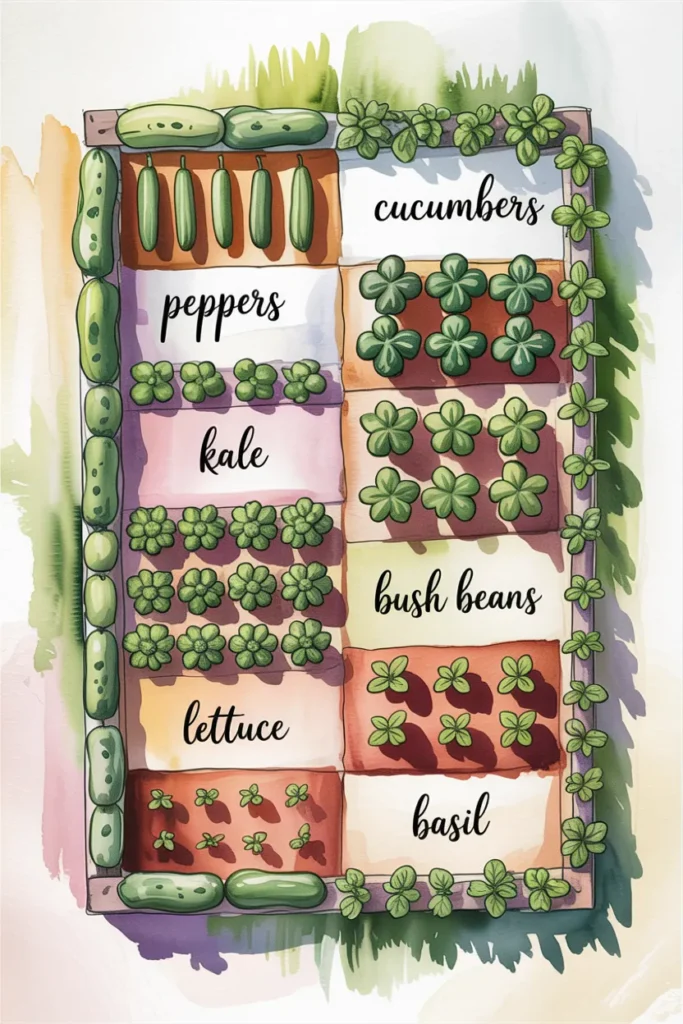
The most popular bed size in the US is 4 feet by 8 feet, 12 inches deep. Here’s a high-yield layout that mixes shallow and medium-root crops:
- North end (back row): Trellised cucumbers or pole beans (so they don’t shade shorter crops)
- Middle: Two pepper plants, two kale, four bush beans
- Front edge (south): Lettuce, radishes, green onions tucked in as living border
- Corners: Basil and marigolds (pest-repelling and pretty)
This single layout will produce roughly 100 pounds of food across a season for around $35 in seeds.
Companion Planting in Raised Beds (the Quick Version)
Three pairings that genuinely work, based on what I’ve tested in my own beds:
- Tomatoes + basil + marigolds: Basil deters tomato hornworms, marigolds repel nematodes, all three look gorgeous together.
- Carrots + onions: Onions confuse the carrot fly (a real pest in cooler zones).
- Bush beans + lettuce: Beans fix nitrogen, lettuce uses it. Plus the bean foliage shades lettuce in summer heat.
What NOT to plant near tomatoes: brassicas (broccoli, kale, cabbage) compete for the same nutrients, and fennel actively stunts tomato growth.
Styling Your Raised Bed Like an Outdoor Room
The vegetables are the stars, but the staging matters. A few touches that turn a utility plot into a Pinterest-worthy backyard moment:
- Modern Farmhouse: White-painted cedar bed, black metal plant markers, galvanized watering can, gravel pathway in cream pea gravel.
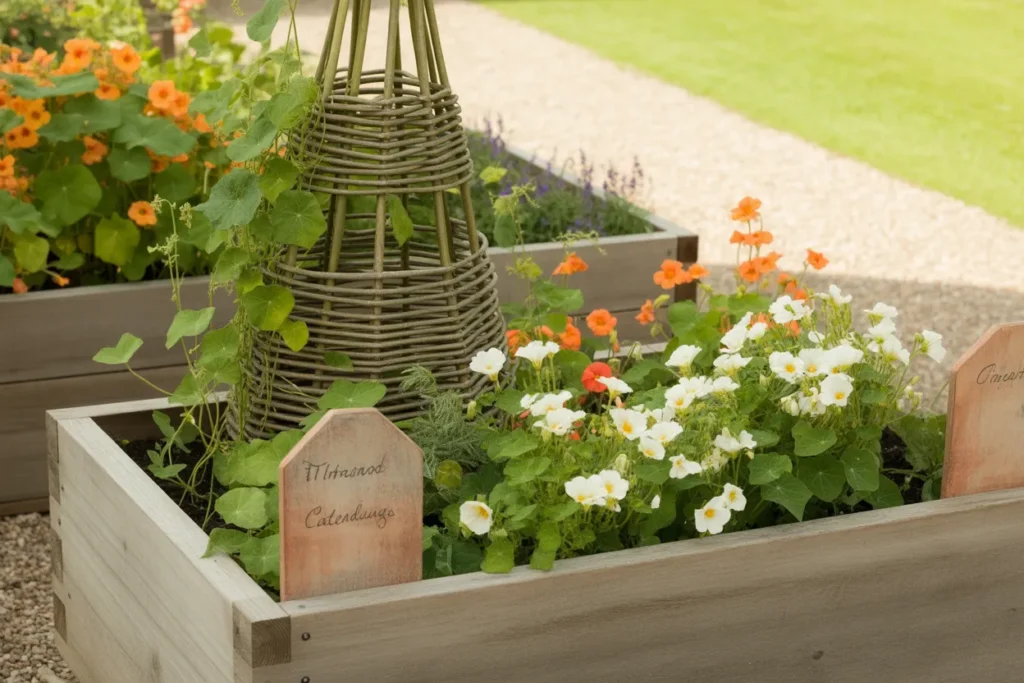
- Cottagecore: Untreated weathered cedar, terra cotta plant labels, woven willow obelisks for climbing beans, scattered nasturtium and calendula along the edges.
- Japandi outdoor: Black-stained pine bed, stone mulch, single statement crop (like rainbow chard), no clutter.
Pick one direction and commit. The whole bed photographs better when there’s a clear style throughline.
Common Mistakes to Avoid
After replanting my own beds five years running, these are the errors I see most often:
- Planting too close together. That tiny seedling becomes a 3-foot bush. Follow spacing on the seed packet.
- Skimping on soil depth. Carrots in a 6 inch bed will grow stubby and forked. Match the vegetable to the depth.
- Watering shallow and often. Water deeply two or three times a week, not a sprinkle every day.
- Planting cool and warm crops at the same time. Lettuce planted with tomatoes in May will bolt before the tomatoes flower.
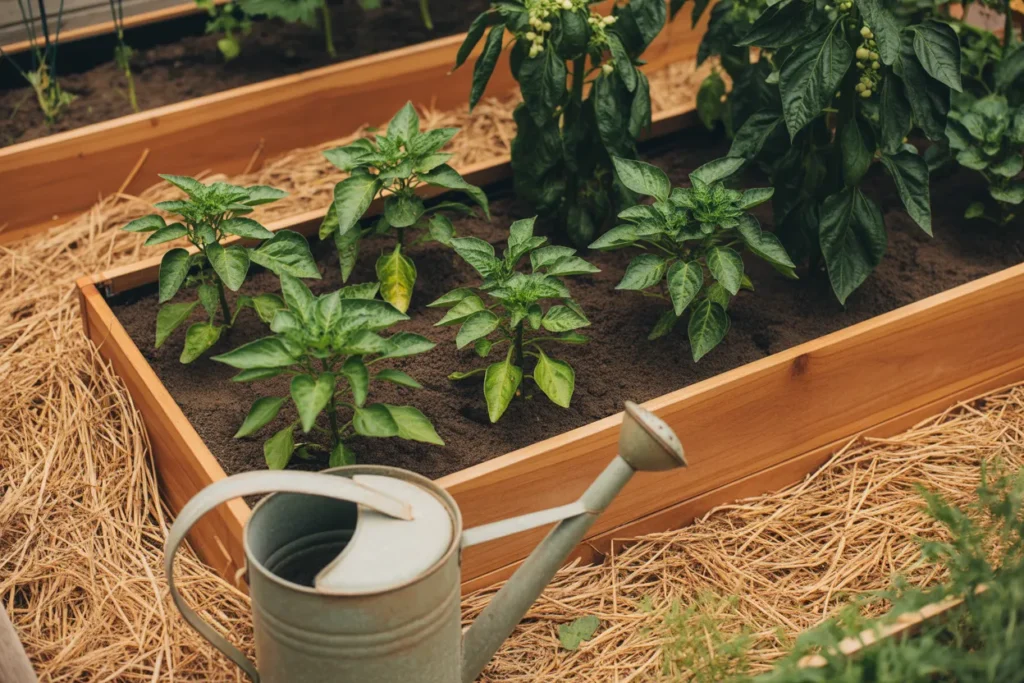
- Forgetting to mulch. Two inches of straw or shredded leaves on top of the soil cuts watering in half and stops weeds.
- Buying too many tomato plants. Two plants per family member is plenty. Trust me.
Frequently Asked Questions
What is the best vegetable to grow in raised beds?
If you’re new to gardening, bush beans are the highest-success, highest-yield pick. They produce in 50 days, fix nitrogen back into the soil, and don’t need a trellis. For sheer flavor reward, nothing beats a vine-ripened tomato grown in deep raised bed soil.
What is the 70/30 rule in gardening?
The 70/30 rule means filling 70% of your raised bed with high-yield, fast-producing crops (lettuce, beans, herbs, radishes) and the remaining 30% with longer-season showpiece crops (tomatoes, peppers, squash). It keeps you eating from the bed all season instead of waiting three months for the first harvest.
What vegetables should be planted together in a raised bed?
The reliable trios are: tomatoes with basil and marigolds, carrots with onions, and lettuce with bush beans. These pairings either share nutrients efficiently, deter pests, or shade each other in summer heat.
What vegetables don’t do well in raised beds?
Skip corn, pumpkins, watermelons, asparagus, and artichokes. They either need too much horizontal space, take years to establish, or produce poorly in confined soil.
What is the 3-hour gardening rule?
The 3-hour rule is a beginner mantra: spend no more than 3 hours per week maintaining your raised bed garden. If you’re spending more, you’ve planted too much, picked the wrong crops, or set up your watering wrong. Right-size your bed to your real-life schedule.
How do I grow vegetables in a raised bed in a small space or rental?
Use elevated raised beds with legs (Vego, Yaheetech, and Best Choice Products all sell rental-friendly options under $200). They sit on patios, decks, or balconies, require no drilling, and pack the same yield as in-ground beds. Stick to compact crops: bush beans, lettuce, herbs, radishes, peppers.
What is the budget version of a raised bed garden?
A 4×4 untreated pine bed costs around $30 in lumber. Fill it with bulk landscape soil from a local supplier ($40 delivered for one cubic yard) and Dollar Tree seed packets ($1.25 each). Total startup: under $80 for an entire growing season’s worth of vegetables.
What if I do not have full sun?
Most fruiting vegetables (tomatoes, peppers, squash) need 6+ hours of direct sun. If you have 4 hours or less, lean into shade-tolerant crops: lettuce, spinach, kale, chard, arugula, herbs, and radishes. You’ll still harvest plenty, just skip the tomatoes.
How long does it take to set up a raised bed garden?
A weekend. Day one: build or assemble the bed and fill with soil (3 to 4 hours). Day two: plan your layout, plant seeds and transplants (1 to 2 hours). After that, you’re at 30 minutes per week of maintenance.
Save This Before You Plant a Single Seed
The difference between a thriving raised bed and a frustrating one comes down to picking the right vegetables for your bed depth, your sun exposure, and your real-life schedule. Bookmark this guide, screenshot the root depth chart, and pin the layout diagram so you have them on planting day.
If you’re still in the build stage, my beginner raised bed walkthrough is the natural next read. What’s the first vegetable going in your bed this season? Lettuce, tomatoes, or something braver?