Raised Garden Beds for Beginners: The Complete Starter Guide
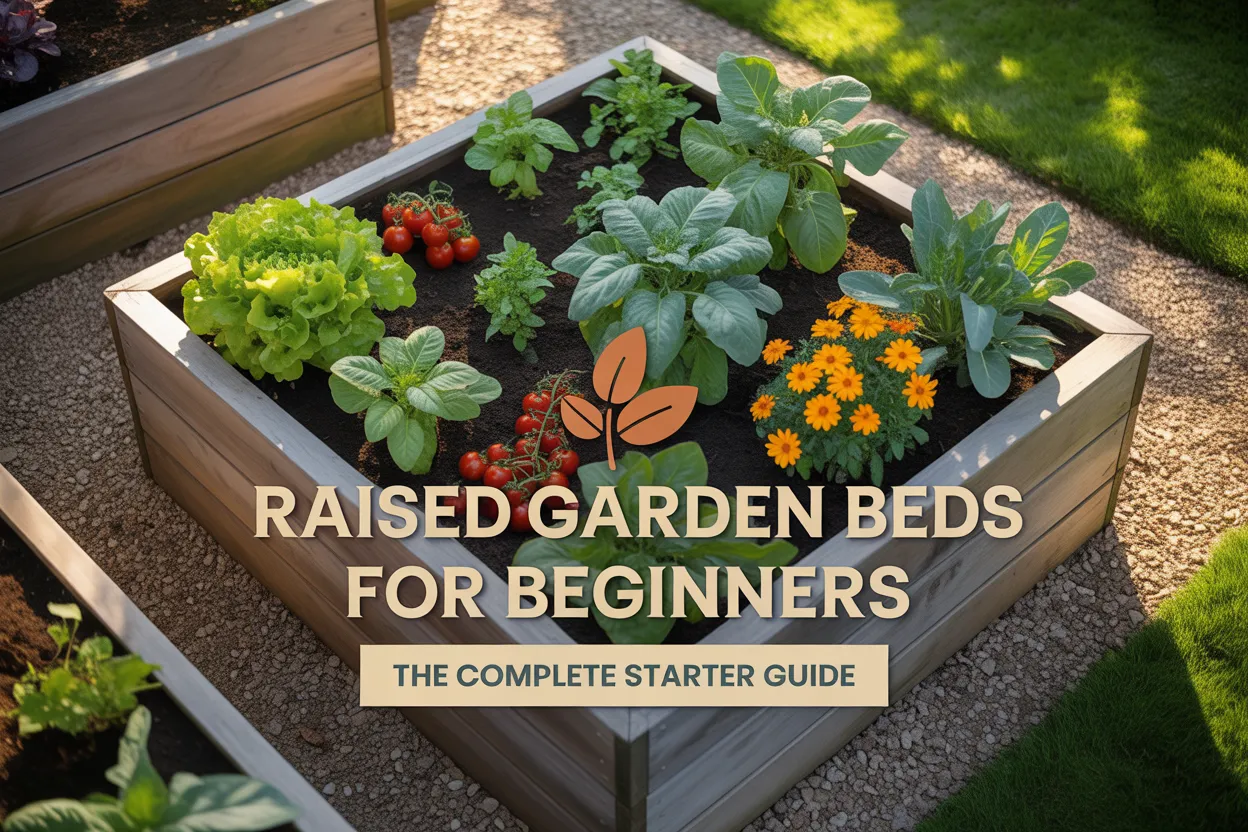
Starting your first garden feels exciting until you stare at the patchy, rock filled lawn in your yard and wonder where anything is supposed to grow. That is exactly why so many first time gardeners fall in love with raised garden beds. You skip the bad soil, the backbreaking digging, and most of the weeds, and you still end up with tomatoes heavy enough to bend the vine.
This guide on raised garden beds for beginners walks you through everything you actually need to know before you buy a single board or bag of soil. No fluff, no confusing jargon, just the real stuff that makes a first raised bed garden work.
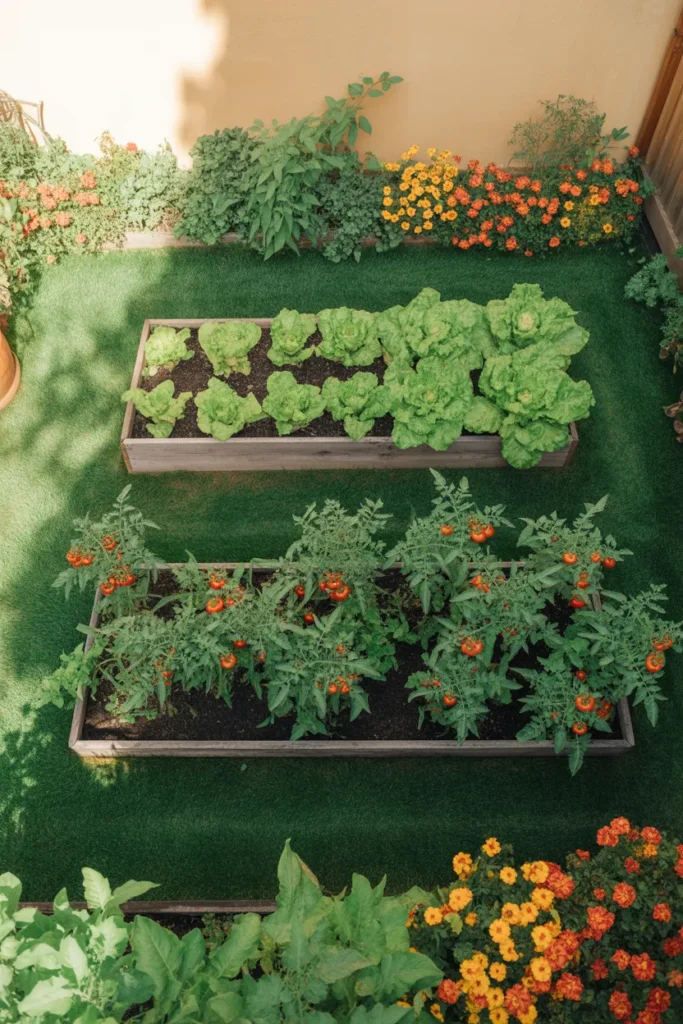
Why Raised Garden Beds Are Perfect for Beginners
Most new gardeners underestimate how much bad soil can ruin a growing season. Raised beds solve that problem on day one because you choose every handful of soil that goes in. That alone is a huge head start.
A raised bed garden also warms up faster in spring, drains better after heavy rain, and stays cleaner because you are not constantly walking across the growing area. You bend less, you kneel less, and you pull far fewer weeds than someone gardening straight in the ground.
There is also a visual payoff. A tidy raised bed makes even a messy backyard look intentional. It gives the garden structure, which matters when you want to stay motivated through the season.
How to Choose the Right Spot for Your First Raised Bed Garden
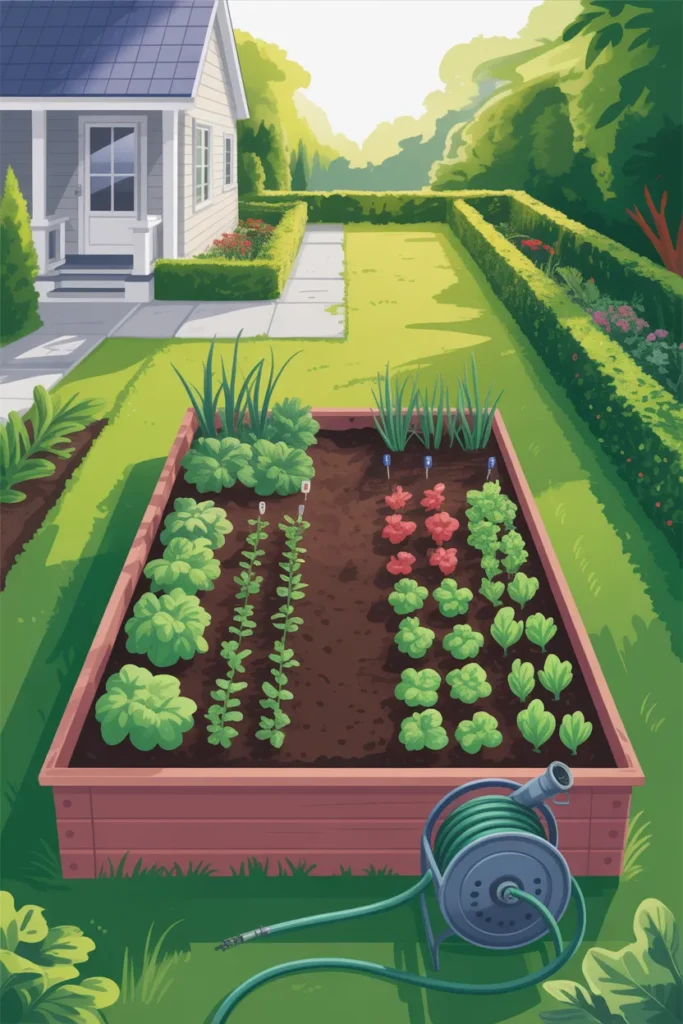
Location is the single most important decision you will make. Before you build or buy anything, watch your yard for a few days and notice where the sun actually hits.
Most vegetables need at least 6 to 8 hours of direct sunlight. Tomatoes, peppers, squash, and cucumbers will sulk in anything less. If your yard is mostly shady, lean toward leafy greens like lettuce, spinach, kale, and herbs such as parsley and mint, which tolerate partial shade nicely.
Pick a level spot close to a water source. Dragging a hose 60 feet every evening in July is the fastest way to fall out of love with gardening. Keep the bed away from large trees too, since tree roots will sneak in and steal water and nutrients from your plants.
Picking the Right Size and Height for a Beginner Raised Bed
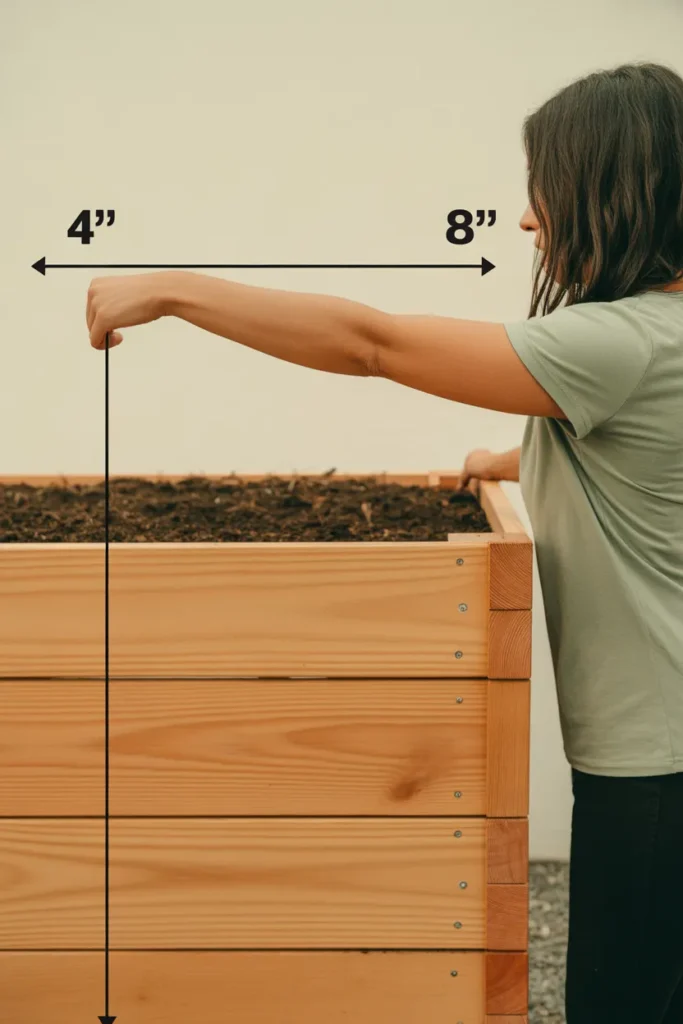
Bigger is not better when you are just starting out. A bed you can reach across comfortably from both sides will save your back and your harvest.
The sweet spot for a beginner raised bed is around 4 feet wide and 6 to 8 feet long. Keep the width at 4 feet or less so you never have to step into the bed to reach the middle. Length is flexible, but anything longer than 12 feet becomes annoying to walk around.
Height matters too. A 6 inch bed is fine if the ground beneath it is decent, but 12 to 18 inches is ideal for most vegetables. Taller beds, around 24 inches or more, are wonderful if you have back or knee issues, though they need a lot more soil to fill.
If you want more inspiration on designing and styling your growing space, the raised garden beds collection on Backyard Edit has plenty of real life examples to help you plan.
Best Materials for Your First Raised Garden Bed
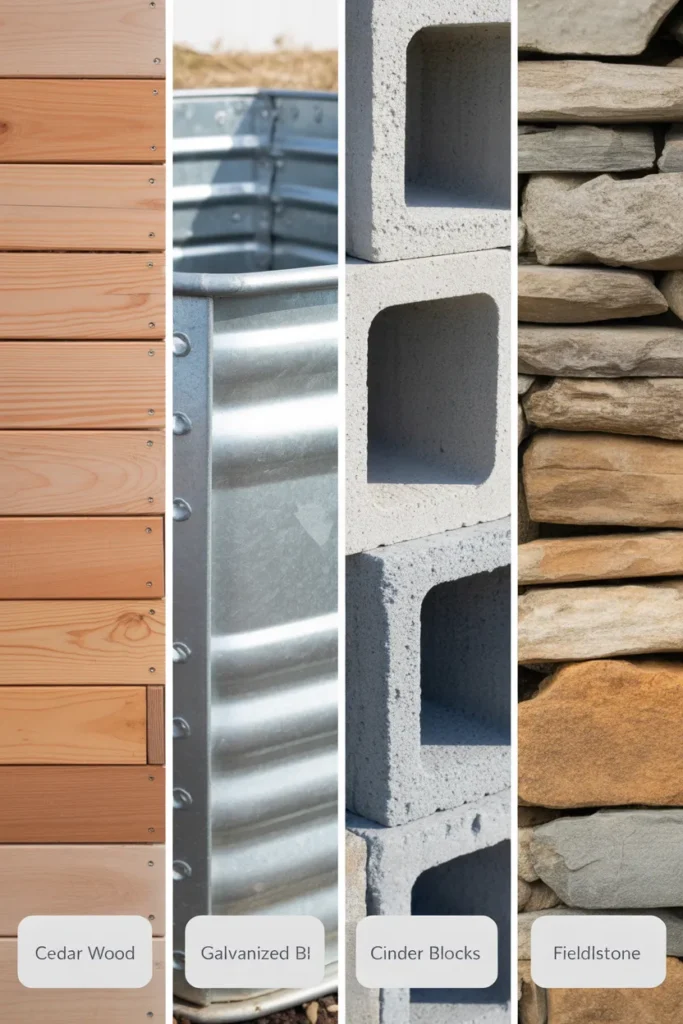
You have more options here than most beginners realise. Each material has tradeoffs in cost, lifespan, and looks.
Cedar and redwood are the gold standard. They resist rot and insects naturally and last 10 to 15 years without any chemical treatment. They cost more upfront, but the long lifespan usually makes them worth it.
Pine and untreated fir are budget friendly but start breaking down in 3 to 5 years, especially in humid climates. Fine for a trial run, not great as a long term solution.
Galvanized metal beds have taken over Pinterest for a reason. They last decades, look modern, heat up quickly in spring, and come in a range of shapes and colors. Brands like Birdies are especially popular.
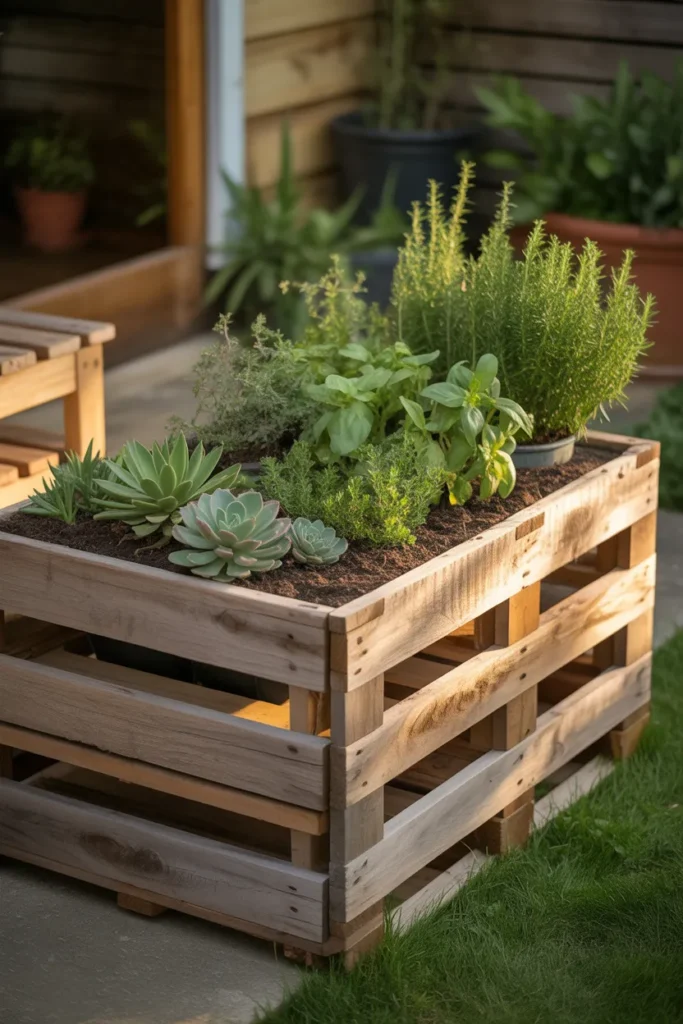
Cinder blocks, bricks, and stones cost almost nothing if you salvage them, and they double as extra planting pockets for herbs and strawberries.
Avoid treated wood if you are growing food. Modern treated lumber is much safer than the old CCA stuff, but many beginners still line the inside with plastic sheeting for peace of mind.
How to Fill a Raised Bed with the Right Soil Mix
This is the part most beginners get wrong. Do not fill your bed with plain dirt from the yard. It will compact, drain poorly, and frustrate you all season.
A reliable beginner raised bed soil recipe looks like this:
- 50 percent good quality topsoil
- 30 percent finished compost
- 20 percent aeration material such as coarse perlite, coco coir, peat moss, or well rotted manure
If you want the classic formula gardeners have trusted for decades, try Mel Bartholomew’s Mel’s Mix, which is one third compost, one third peat moss or coco coir, and one third coarse vermiculite. It drains beautifully and almost never compacts.
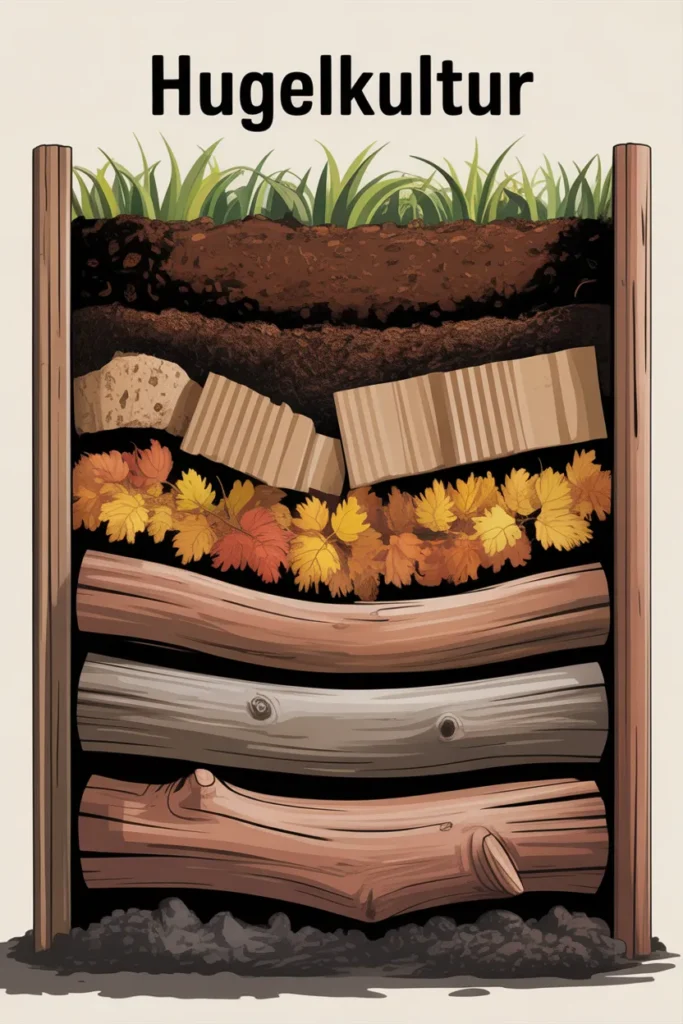
For deep beds, save money with the hugelkultur trick. Fill the bottom third with logs, sticks, cardboard, and fall leaves. As that layer breaks down, it feeds your soil and you buy less bagged mix. Beginners with wallet anxiety will thank themselves later.
Top everything with 2 to 3 inches of compost every spring. That single habit keeps a raised bed garden productive year after year.
What to Plant in Your First Raised Bed Garden
Beginners almost always try to grow too much too soon. Pick 4 or 5 things you actually eat, then master those before expanding.
Reliable crops for a first raised bed garden include:
- Tomatoes (cherry varieties are the most forgiving)
- Lettuce and salad greens (fast, satisfying, hard to mess up)
- Bush beans (zero drama, heavy producers)
- Radishes (ready in 25 to 30 days, great for kids)
- Zucchini (one plant feeds a family, sometimes the whole neighbourhood)
- Basil, parsley, and chives (useful every day in the kitchen)
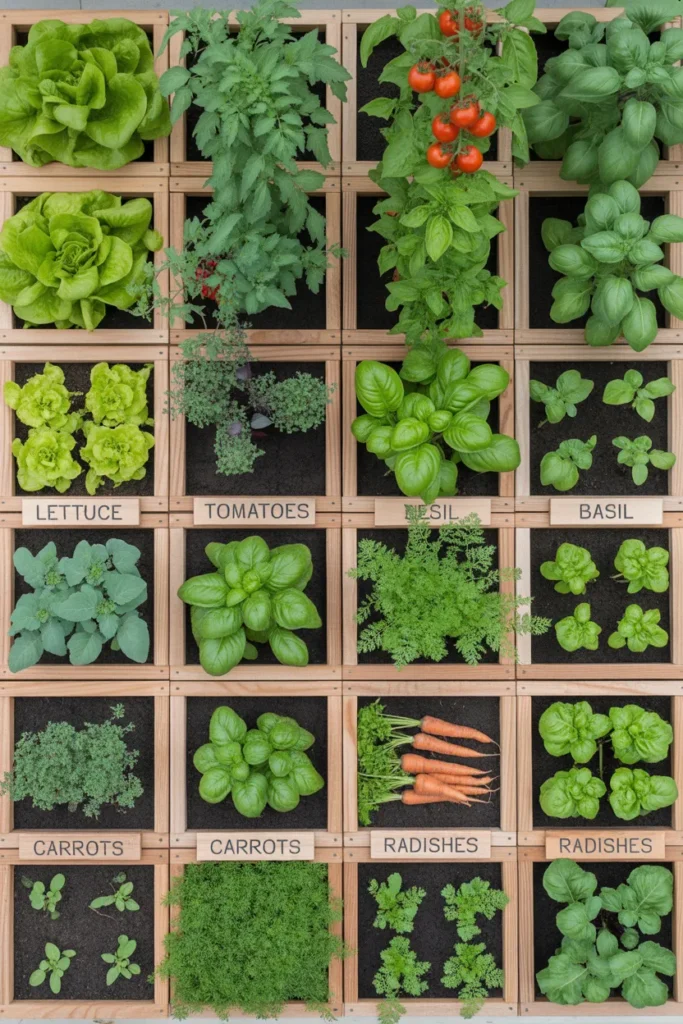
Use the square foot gardening method to maximise space. Divide your bed into 1 foot squares and assign one crop per square. It keeps planting simple and prevents overcrowding.
Think about companion planting too. Tomatoes love basil and marigolds nearby, while carrots thrive next to onions. Keep heavy feeders like corn and cabbage apart so they are not fighting for nutrients.
Watering, Mulching, and Simple Maintenance
Raised beds drain quickly, which is mostly a blessing, but it also means they dry out faster than in ground gardens. Most beginner raised bed gardens need watering every 1 to 3 days in summer, depending on heat and wind.
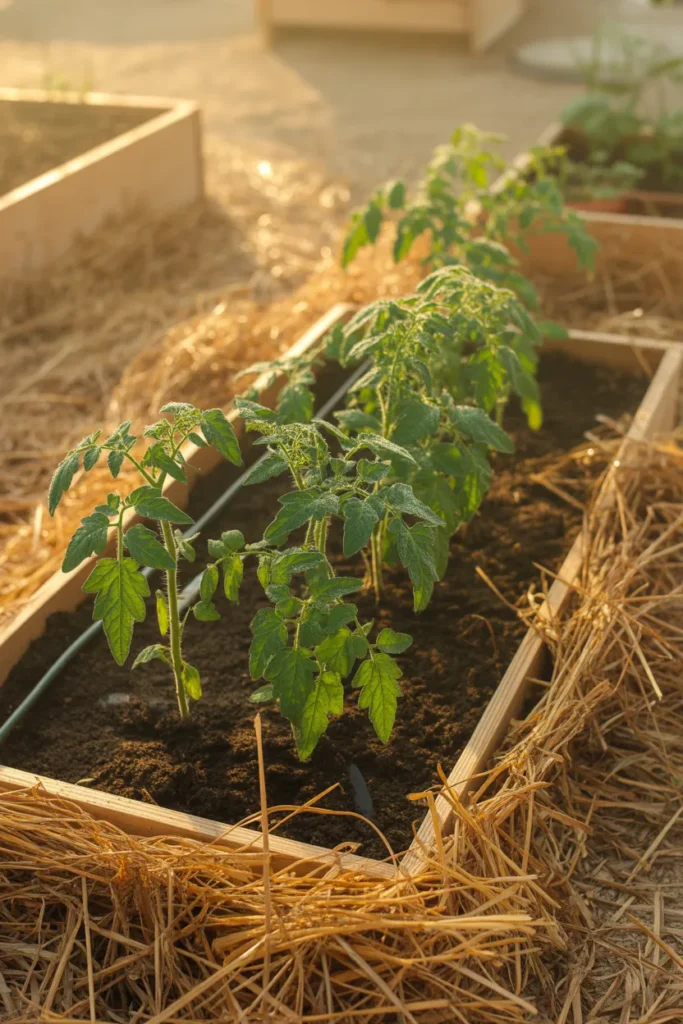
The easiest way to stay consistent is drip irrigation on a simple timer. Setting it up once saves you a whole season of guessing. If a drip system is not in the budget yet, water deeply at the base of each plant in the early morning instead of shallow daily sprinkles.
Mulch is your best friend. A 2 to 3 inch layer of straw, shredded leaves, or wood chips keeps moisture in, blocks weeds, and gradually feeds the soil as it breaks down.
Pull the few weeds that do appear while they are tiny, feed your plants with compost tea or a balanced organic fertiliser every few weeks, and walk through the garden often. Early problems are easy to fix, late problems rarely are.
For more ideas on pulling the whole space together, check out this collection of small backyard inspiration on Backyard Edit.
Common Beginner Mistakes to Avoid
Even with the best intentions, most first time gardeners trip over the same few issues. Knowing them in advance saves you a season of frustration.
Planting too early is the classic one. Wait until after your last frost date unless you are growing cold hardy crops like kale or peas. The USDA Hardiness Zone Map is the easiest way to check your local timing.
Overcrowding comes next. Those tiny seedlings look lonely in May, but they will turn into a jungle by July. Trust the spacing guide on the seed packet.
Ignoring soil is another big one. Compost is not optional. Without regular top ups, your bed loses productivity fast. The University of Minnesota Extension has excellent science backed guidance on building healthy soil if you want to go deeper.
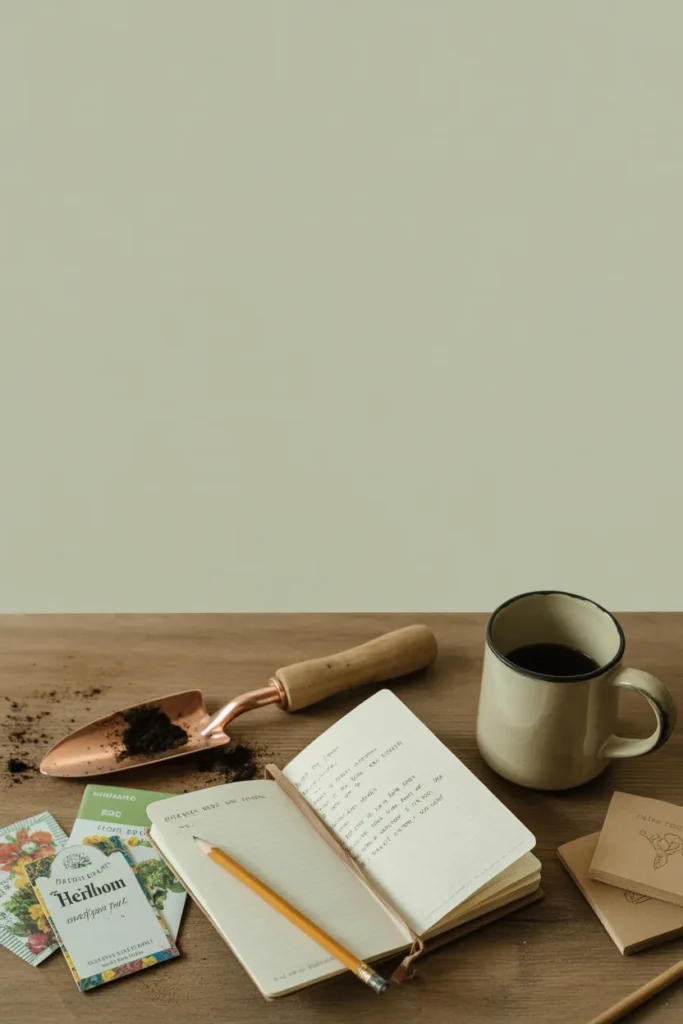
Finally, do not skip keeping a simple garden journal. Jot down what you planted, when, and how it did. Next year, you will know exactly what to repeat and what to skip.
Budget Friendly Tips for Your First Raised Bed
A raised bed garden does not have to drain your wallet. A few smart moves keep costs low without hurting your harvest.
Buy soil in bulk from a local landscape supplier instead of bags. Bulk compost often costs a third of what you pay at big box stores. Look for free cardboard from appliance deliveries to line the bottom of your bed. Start from seed for anything you plan to plant in large numbers, like lettuce, beans, and zucchini. Seeds cost pennies compared to nursery transplants.
Repurpose materials whenever you can. Old fence boards, reclaimed bricks, and scrap lumber all work beautifully. Some of the most charming raised beds on Pinterest are stitched together from free materials someone was about to throw away.
For inspiration on squeezing beauty out of small budgets and small spaces, the container gardening ideas on Backyard Edit pair perfectly with a starter raised bed.
Extending Your Season and Growing Year Round
Once your first season clicks, you will want more. Raised beds make season extension shockingly easy.
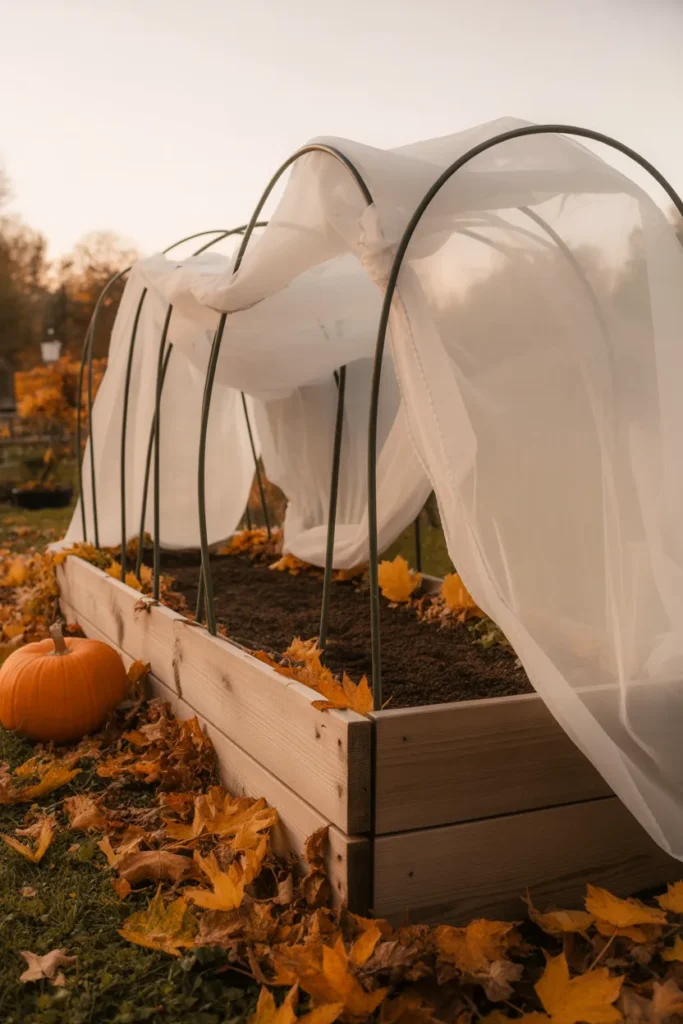
Add simple hoop covers with row fabric in early spring and late fall to protect tender plants from frost. Cold frames turn a raised bed into a mini greenhouse, letting you grow spinach, arugula, and mache through much of winter in most climates.
Succession planting is another beginner friendly trick. When your spring lettuce finishes, plant bush beans in the same space. When the beans slow down, tuck in fall kale or garlic. One bed can easily give you three separate harvests in a single year.
Final Thoughts on Starting Your First Raised Bed Garden
Starting your first raised garden bed is one of those projects that rewards you every single day, from the first green sprout to the first ripe tomato you eat warm off the vine. The real secret is not fancy tools or expensive soil. It is simply starting small, paying attention, and letting the garden teach you as you go.
Pick one sunny spot, build or buy a modest bed, fill it with good soil, and plant a few things you actually love to eat. That is all it takes. Everything else, from fancy trellises to drip systems to ambitious succession plans, can come later.
If this guide on raised garden beds for beginners helped you feel ready to start, save it on Pinterest so you can come back to it each season. Your future self, the one standing in a garden full of food, will be very glad you did.