What to Fill a Raised Garden Bed With: The Layered Method That Saves You Hundreds
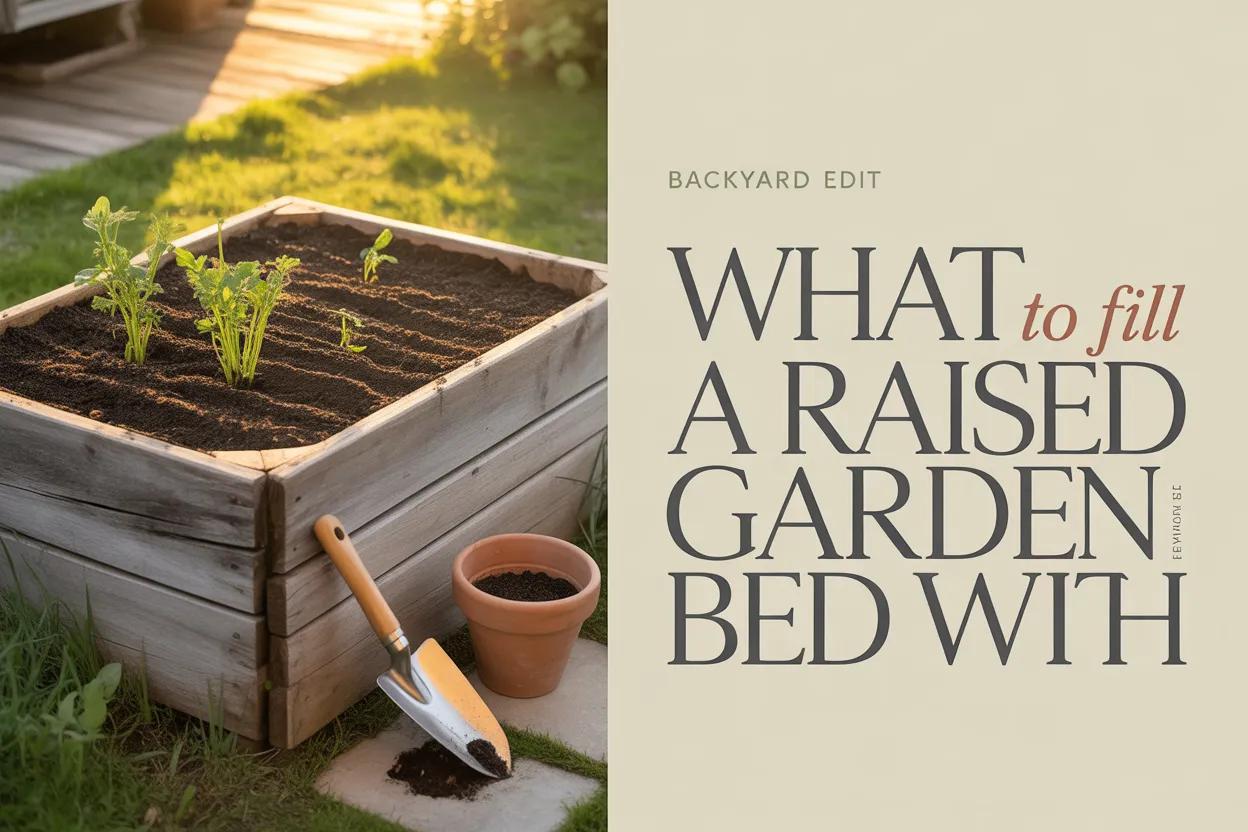
You stand in front of a brand-new raised garden bed. It’s beautiful, it’s empty, and you’ve just done the math on bagged soil. Three hundred dollars later, you’re wondering if there’s a smarter way.
There is. And you’re about to learn the exact layered method seasoned gardeners (myself included, after filling six beds the wrong way first) use to fill a raised garden bed for a fraction of the cost without sacrificing harvest.
This guide organizes everything by bed depth and price tier, so whether you’ve got a shallow 6-inch box on a balcony or a deep 24-inch backyard bed, you’ll know exactly what to layer in, why it works, and how to do it without wasting a dollar.
Who This Guide Is For
- First-time raised bed gardeners who don’t want to spend $300 on soil
- Renters and small-space gardeners working with elevated planters or balcony beds
- Budget-conscious homeowners filling multiple beds in one season
- Vegetable growers who need depth for tomatoes, carrots, and root crops
- Anyone refilling a sunken bed in year 2 or 3
If any of those sound like you, you’re in the right place. Let’s get to it.
Why Filling a Raised Garden Bed Gets So Expensive
Here’s the math that catches everyone off guard. A standard 4 ft x 8 ft bed at 12 inches deep holds about 32 cubic feet of fill. At roughly $8 per 1.5 cubic foot bag of quality raised bed soil, you’re looking at $170 minimum just for one bed.
Now imagine three beds. Or four. Suddenly your “cheap garden hobby” looks like a car payment.
The fix? Stop filling raised beds with 100% bagged soil. The bottom two-thirds of your bed doesn’t need premium soil at all. It needs bulk material that decomposes, drains well, and feeds your plants slowly over time. That’s the whole secret.
The Goal: What Your Fill Actually Needs to Do
Before you grab anything to dump in, your fill needs to handle four jobs:
- Drainage so roots don’t sit in water
- Aeration so roots can breathe and microbes thrive
- Slow nutrient release so you’re not refeeding constantly
- Long-term volume so the bed doesn’t sink 6 inches by July
Cheap fillers handle the first three jobs beautifully. Premium soil handles the last one (the top 6 to 8 inches where your seeds actually root). That’s the divide.
The 4-Layer Bed Fill Formula (Save This Part)
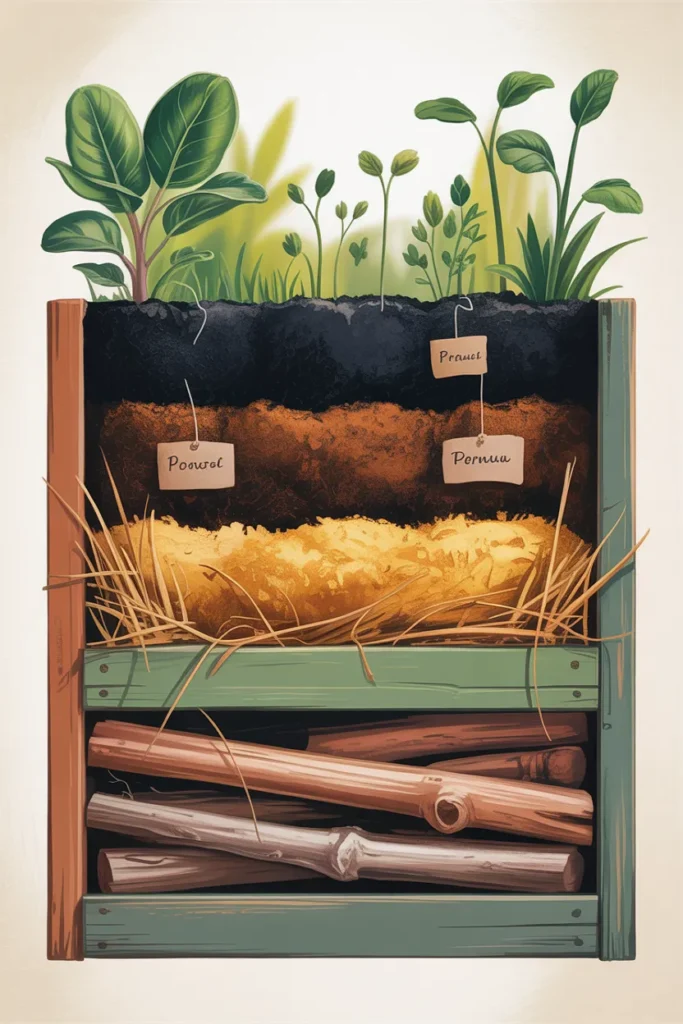
After testing every method, this is the framework I keep coming back to. Four layers, easy to remember, works in beds 12 inches and deeper.
Layer 1: The Base (Free Bulk Filler)
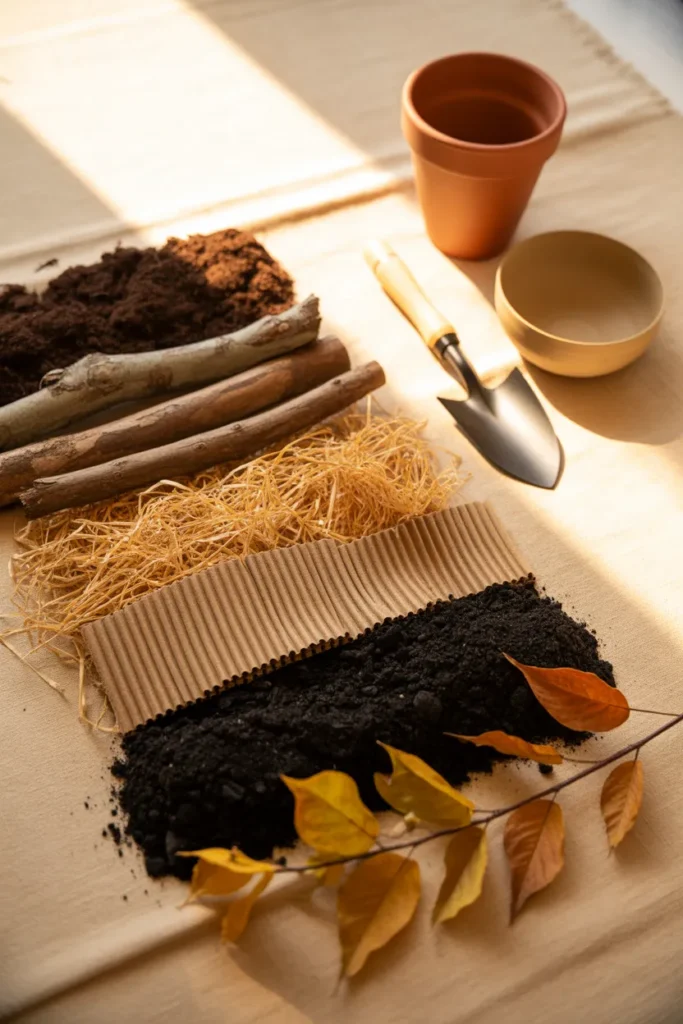
What it is: Logs, branches, twigs, untreated wood scraps. This is the Hugelkultur principle borrowed for raised beds.
Why it works: Wood holds moisture like a sponge during dry spells, decomposes slowly to feed plants for years, and fills 30 to 40% of bed volume for free.
How to execute: Lay logs (4 to 6 inches thick) flat across the bottom 8 to 12 inches of any bed deeper than 18 inches. Fill gaps with smaller branches and twigs. Skip this layer entirely if your bed is under 12 inches deep or sits on legs (more on that below).
Layer 2: The Bulk (Cheap Organic Matter)
What it is: Shredded cardboard, dry leaves, straw, grass clippings, kitchen scraps, aged manure.
Why it works: This layer breaks down into rich humus over the first season, suppresses weeds, and bridges the gap between the base layer and your soil zone.
How to execute: Add 4 to 6 inches of mixed organic matter on top of the base. Wet it down as you go. If you’re using cardboard at the very bottom (great for stopping weeds and burrowing critters), put it under the base layer, not in this one.
Layer 3: The Boost (Compost-Heavy Mix)
What it is: Finished compost, aged manure, leaf mold, worm castings.
Why it works: This is where your nutrients live. A 4 to 6 inch compost-heavy band gives roots a feast as they grow down.
How to execute: Buy compost in bulk by the cubic yard from a local landscape supplier (often $30 to $45 per yard, versus $6 per bag retail). One yard fills this layer in two 4×8 beds.
Layer 4: The Bloom (Premium Top Layer)
What it is: A 50/50 blend of quality topsoil and finished compost, plus a handful of perlite or vermiculite per square foot for aeration.
Why it works: This is the seed-starting zone. It needs to hold moisture, drain well, and crumble in your hand. Spend your money here.
How to execute: Fill the top 6 to 8 inches with this premium mix. For vegetables, this is non-negotiable. Skimping on this layer is the #1 reason new raised beds underperform.
How to Fill a Raised Garden Bed by Depth (The Decision Matrix)
Most articles ignore this part. Bed depth changes everything.
Shallow Beds (6 to 8 inches deep)
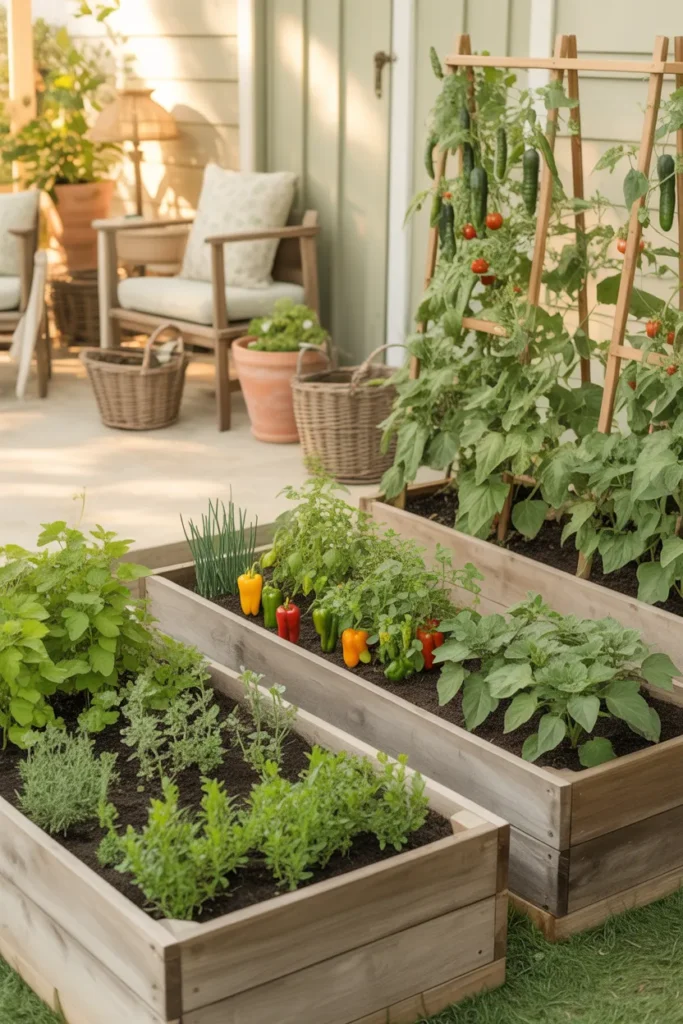
Skip the layering. Fill the entire bed with a 50/50 mix of quality topsoil and compost, plus perlite. Shallow beds are best for lettuce, spinach, herbs, radishes, and shallow-rooted flowers.
Medium Beds (12 to 14 inches deep)
Use 3 layers: skip the wood base. Start with 4 inches of bulk organic matter, 4 inches of compost-heavy mix, then 6 inches of premium top layer. This is the sweet spot for most vegetables.
Deep Beds (18 to 24+ inches deep)
Full 4-layer formula above. Wood base saves you the most money here. Deep beds are ideal for tomatoes, carrots, parsnips, potatoes, and any root crop. If you’re not sure how deep yours should be, our guide on how deep a raised garden bed should be breaks it down by crop type.
Elevated Beds with Legs
This one trips up almost every new gardener. Beds on legs cannot use the wood base layer. The weight will warp the bottom and the drainage works differently.
For legged beds:
- Line the bottom with landscape fabric (not cardboard, which traps too much moisture against the wood frame)
- Add a 1-inch layer of coarse perlite or pine bark fines for drainage
- Fill the rest with a 60/40 blend of quality potting mix and compost
- Skip topsoil entirely (too heavy, drains poorly in confined containers)
Most legged beds are 8 to 12 inches deep, which works for greens, herbs, bush beans, peppers, and compact tomato varieties. For ideas on what grows best in any raised bed, see our list of best vegetables for raised beds.
Budget vs Splurge: What to Buy and Where
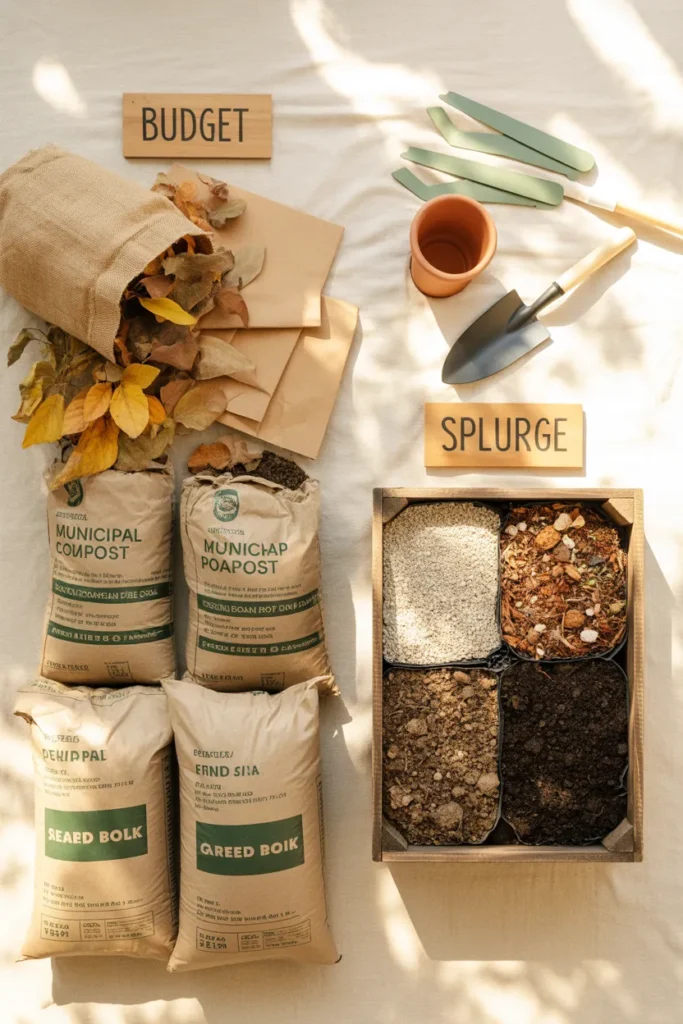
Budget tier (under $25 per item)
- Free wood, branches, leaves, and cardboard from your yard or neighbors
- Municipal compost (many US cities offer free or $5 per yard for residents, check your local public works site)
- Dollar Tree perlite and bagged topsoil for spot needs
- Aged manure from a local farm (often free if you haul it)
- Bagged garden soil from Home Depot or Lowe’s at $3 to $5 per bag
Mid-range ($25 to $100)
- Bulk compost from a local landscape supplier ($30 to $45 per cubic yard delivered)
- Coast of Maine or Kellogg organic raised bed mix from Home Depot ($15 to $20 per bag)
- IKEA’s outdoor planter accessories for elevated beds
- Target garden soil and worm castings (Wiggle Worm brand runs about $25 for 15 lbs)
Splurge ($100+)
- Vermont Compost Fort Vee or Coast of Maine Castine Blend (the chef’s-kiss premium options)
- Bulk delivered “raised bed garden mix” from local soil yards (around $80 to $120 per cubic yard)
- Pre-mixed Mel’s Mix style blends ($150+ for a full 4×8 bed)
The smart play? Budget tier for layers 1 and 2, mid-range for layer 3, splurge for layer 4 only.
What NOT to Fill a Raised Garden Bed With
This list could save your entire growing season.

- Treated lumber, painted wood, or pallets stamped MB (chemicals leach into edible crops)
- Large rocks or gravel at the bottom (the old myth that this improves drainage is busted, it actually creates a perched water table that drowns roots)
- Pine needles in large quantities (they acidify soil too aggressively)
- Plastic packing peanuts or styrofoam (they break into microplastics over time)
- Diseased plant matter or weeds with seed heads (you’ll fight them all season)
- Fresh manure (will burn roots, must be aged at least 6 months)
- Pure potting mix in deep beds (too lightweight, settles dramatically, and gets pricey fast)
- Black walnut leaves or wood (releases juglone, toxic to tomatoes, peppers, and many other crops)
Cheap and Free Fill Sources Most People Miss
You’d be amazed what’s available if you ask around. Here’s where I’ve sourced free fill for my own beds over five seasons.
- Local arborists for wood chips (search ChipDrop.com, free deliveries to most US zip codes)
- Neighborhood Facebook groups for fall leaves, branches, and grass clippings
- Coffee shops for used grounds (great nitrogen boost, ask the manager directly)
- Stables and farms for aged manure (often free for the loading)
- Municipal yard waste programs for free or low-cost compost
- Restaurant kitchens for vegetable scraps (build a quick compost pile to age them first)
- Big box stores for damaged soil bags marked 50% off (check the seasonal clearance area)
Filling Over Multiple Seasons (The Year 2 and 3 Plan)
Here’s what no one tells you. Your raised bed will sink 2 to 6 inches every year as the wood base and organic matter decompose. That’s not a problem, that’s the system working.
Each spring:
- Top off with 2 to 3 inches of fresh compost
- Add a handful of worm castings or organic fertilizer per square foot
- Fluff the top 6 inches with a hand fork (don’t till the whole bed, you’ll disturb the microbiology)
- Mulch with straw or shredded leaves after planting
By year 3, your bed will have some of the richest soil in your neighborhood. Promise.
How to Fill a Raised Bed Without Soil (Yes, It’s Possible)
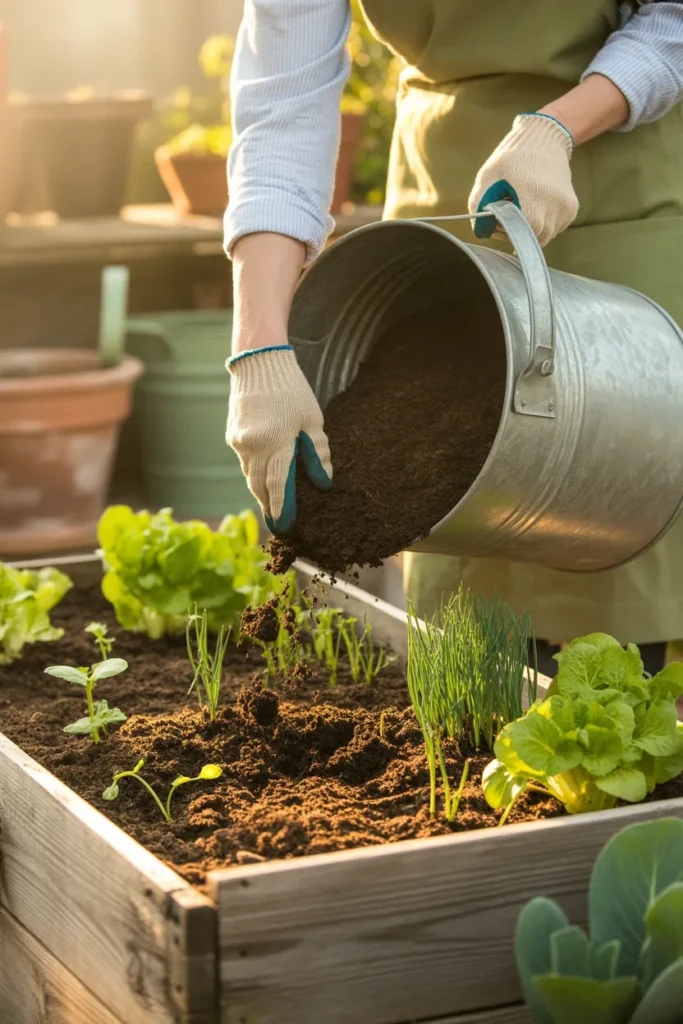
If you’re committed to skipping bagged soil entirely, here’s the all-organic-matter approach (sometimes called lasagna gardening or sheet composting):
- Cardboard base to smother weeds
- Logs and branches for the base (8 inches)
- Brown layer of dry leaves, straw, shredded paper (4 inches)
- Green layer of grass clippings, kitchen scraps, fresh weeds without seeds (3 inches)
- Aged manure (3 inches)
- Finished compost (6 to 8 inches on top)
This works beautifully but needs to settle for 4 to 6 weeks before planting, and the top compost layer should be deep and finished enough to plant directly into. Best done in fall to plant in spring.
Common Mistakes to Avoid
After watching dozens of gardeners (and yes, myself) make the same errors, here’s what to dodge:
- Filling 100% with topsoil. It compacts, drains poorly, and costs a fortune.
- Skipping the top premium layer. Your seeds need fluffy, nutrient-rich soil to start strong.
- Using gravel or rocks at the bottom. Buried myth. Don’t do it.
- Forgetting to wet each layer as you go. Dry layers take 2x longer to start decomposing.
- Filling all the way to the rim. Leave 1 to 2 inches for mulch and watering room.
- Using fresh manure or unfinished compost on top. Burns seedlings and roots.
- Ignoring the bed-depth rule. A 6-inch bed and a 24-inch bed need totally different strategies.
For more on planning your bed before you fill it, our raised garden bed layout ideas post walks through spacing, sun mapping, and crop pairing.
Tools and Supplies That Make This Job Easier
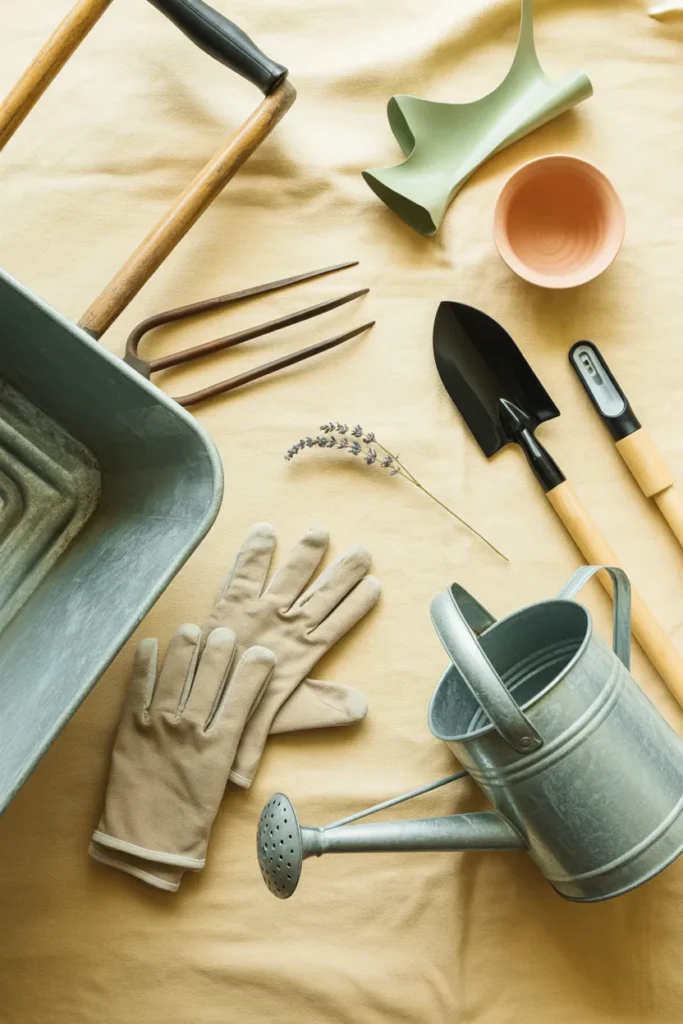
- A sturdy wheelbarrow (Lowe’s True Temper at $99 is the workhorse pick)
- A pitchfork for moving compost and turning layers
- Heavy canvas gloves (Atlas Nitrile from Amazon, around $7)
- A soil pH meter (under $15, gives you a fast read on whether your fill is too acidic)
- A bow rake for leveling the top layer
- A 5-gallon bucket for hauling smaller amounts and amendments
Seasonal Timing: When to Fill Your Bed
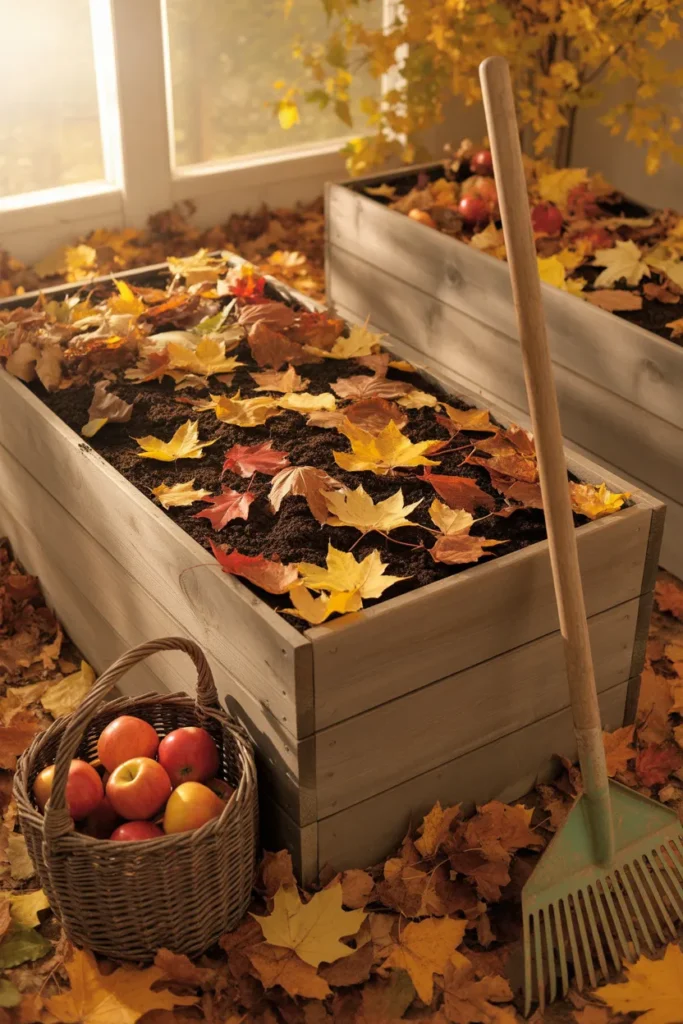
Fall (September through November) is the gold-medal time to fill. Layers settle and decompose over winter, and the bed is ready to plant by spring.
Early spring (March through April) works too if you use mostly finished compost on top instead of raw organic matter. Just plant 2 weeks after filling to let things settle.
Summer fills are tough. Heat speeds decomposition and the bed will sink fast, but it’s doable for a fall crop if you’re starting with mostly finished compost and topsoil.
Raised Bed Soil Maintenance Year-Round
Filling is step one. Keeping that fill productive is the longer game.
- Mulch heavily with straw or shredded leaves (2 to 3 inches) to retain moisture and slow weed growth
- Side-dress with compost mid-season for heavy feeders like tomatoes and squash
- Cover crop in fall with crimson clover or winter rye to add nitrogen and organic matter
- Test pH every 2 years and amend with lime (if too acidic) or sulfur (if too alkaline)
- Avoid walking on the bed to prevent compaction
- Rotate crop families each season to prevent disease buildup
For the science behind soil health, the USDA Natural Resources Conservation Service soil health guide is the gold standard. The University of Maryland Extension’s raised bed gardening guide is another strong reference for region-specific advice.

FAQ
What’s the best thing to fill a raised garden bed with? The best fill is a layered combo: untreated wood and branches at the base, mixed organic matter and aged manure in the middle, and a 50/50 blend of quality topsoil and finished compost in the top 6 to 8 inches. This balances cost, drainage, and long-term nutrition.
How do I fill a raised bed cheaply? Use the 4-layer method and source free or low-cost materials: free wood chips from arborists, fall leaves from neighbors, municipal compost, and aged manure from local farms. Spend money only on the top 6 to 8 inches where seeds root.
What soil do I actually need for a raised bed? For the top layer, use a 50/50 blend of quality topsoil and finished compost, plus a handful of perlite per square foot. Avoid pure potting mix in deep beds (too light) and pure topsoil (too heavy).
What do I put in the bottom of a raised garden bed? For beds 18 inches or deeper, lay logs and branches as a Hugelkultur base. For shallower beds, start with cardboard to suppress weeds, then build straight into organic matter. Skip rocks and gravel, they cause drainage problems.
Can I just fill my raised bed with regular soil? Technically yes, but it’s expensive and underperforms. Pure topsoil compacts, drains poorly, and lacks nutrients. Always blend with at least 30 to 40% compost.
What should I never use in a raised garden bed? Avoid treated lumber, large rocks, plastic packing peanuts, fresh manure, diseased plants, black walnut wood, and pure potting mix in deep beds.
Can I fill a raised bed without buying any soil? Yes, using sheet composting or lasagna gardening. Layer cardboard, wood, leaves, grass clippings, kitchen scraps, aged manure, and finished compost. Best started in fall for spring planting.
Should I put rocks at the bottom of my raised bed? No. The “rocks for drainage” myth is busted. Rocks create a perched water table that actually worsens drainage. Use wood, cardboard, or organic matter instead.
How do I fill a raised bed in a small space or on a balcony? Stick with elevated or shallow beds 8 to 12 inches deep. Use a 60/40 mix of quality potting mix and compost, with a 1-inch perlite drainage layer at the bottom. Skip wood base layers (too heavy for legged beds).
What’s the budget version of filling a raised bed? Source free wood, leaves, and cardboard. Buy bulk municipal compost ($30 to $45 per yard). Spend only on a quality top layer mix. Total cost for a 4x8x12-inch bed: around $40 to $60 instead of $170+.
What if I don’t have access to free wood or branches? Replace the base layer with shredded cardboard, dry leaves, and straw bales (around $8 each at Tractor Supply). The bed will sink slightly more in year one, just plan to top off with extra compost in spring.
How long does it take to fill a raised garden bed? A 4x8x12-inch bed takes about 2 to 3 hours with materials on hand. Add an extra hour or two if you’re hauling bulk compost or sourcing free fill from multiple spots. Most home gardeners knock out a single bed in one weekend afternoon.
Final Thoughts: Save This and Start Filling
Here’s the truth most gardening blogs won’t tell you. The “right way” to fill a raised garden bed isn’t one method, it’s a smart layered system that flexes to your bed depth, your budget, and what you’re growing.
Start with the 4-Layer Formula. Match it to your bed depth. Source free materials where you can, splurge on the top 6 inches, and let nature do the rest.
Save this post to your gardening Pinterest board so you have the layer formula handy on filling day. And if you’re still planning your beds, head over to our guide on how deep a raised garden bed should be before you buy lumber. Your future harvest will thank you.