How Deep Should a Raised Garden Bed Be? A Real Gardener’s Depth Guide
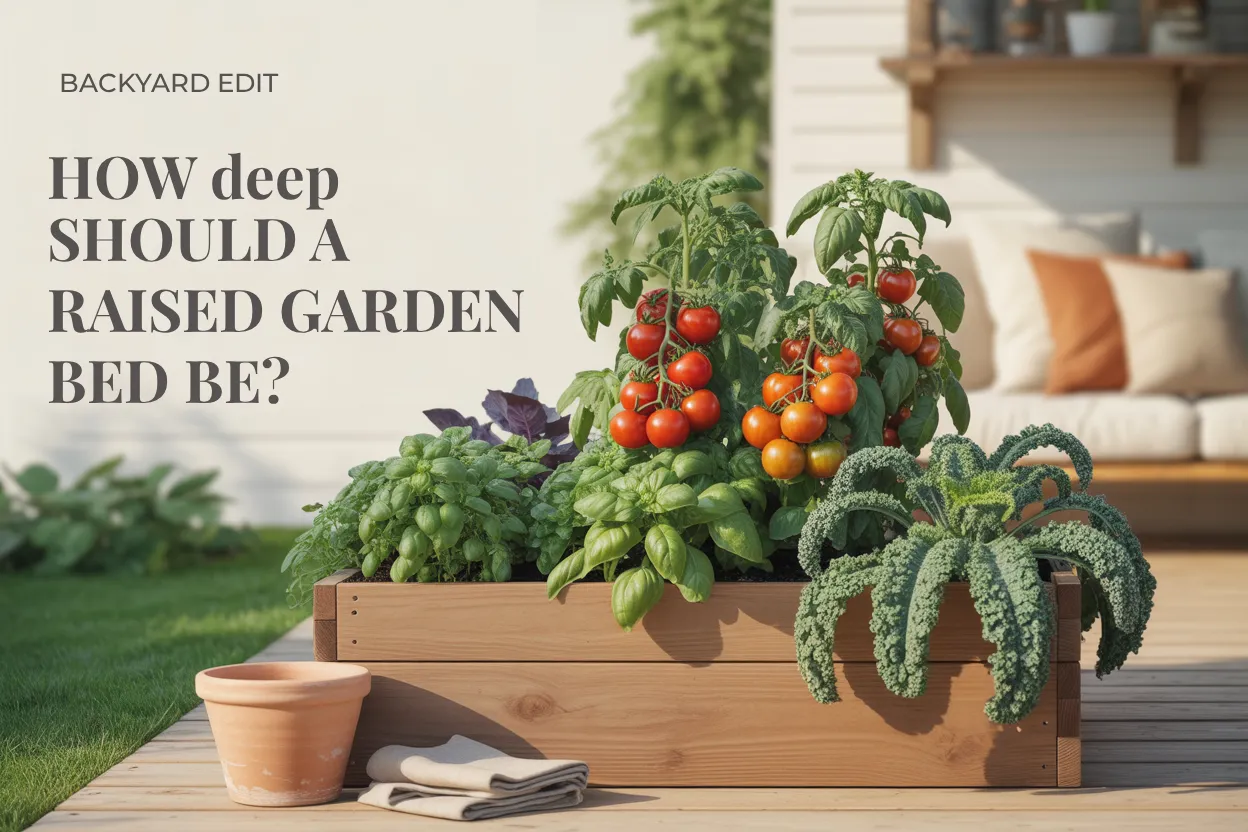
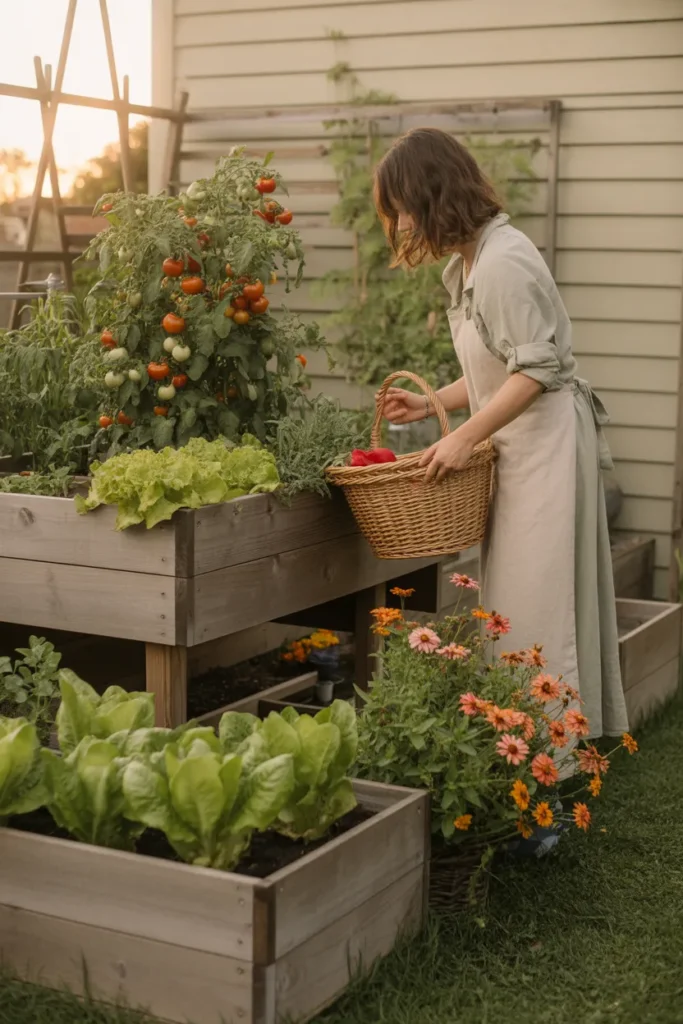
You stand in the backyard staring at a flat patch of grass, a stack of cedar boards, and a Pinterest tab full of dreamy kitchen gardens. The big question stops you cold: how deep should a raised garden bed be before you start hauling soil and sinking money into something that might not even grow tomatoes? I’ve been there, twice, and the second bed was the one that finally produced.
Here’s the short answer up top so you can keep scrolling with confidence: most raised garden beds should be at least 12 inches deep, and 18 to 24 inches is the sweet spot if you want to grow almost anything, including tomatoes, carrots, and root crops. But the real answer depends on what’s under your bed, what you’re planting, and how much you want to bend over. We’ll cover all of it.
This guide is organized by depth tier (6, 12, 18, and 24+ inches), then by plant type, then by budget. That way you can skim straight to your situation without wading through fluff.
Who This Guide Is For
This article is for you if you fall into any of these:
- First-time gardeners building a bed this season and trying not to mess it up
- Renters who need a portable or shallow setup that won’t damage the yard
- Homeowners ready to invest in a permanent kitchen garden
- Small-space gardeners working with patios, balconies, or narrow side yards as tight as 24 inches wide
- Budget-conscious DIYers who want to know exactly when extra depth is worth the soil cost
If you’re hoping for “one number fits all,” I’ll save you time. There isn’t one. But there’s a clear logic, and you’ll have it by the end.
The Quick Answer: Raised Bed Depth at a Glance
Here’s the cheat sheet you can screenshot. Pin it to your project board and come back to it when you’re at Home Depot pricing lumber.
| Bed Depth | What Grows Well | Best For |
|---|---|---|
| 6 inches | Lettuce, spinach, radishes, herbs, microgreens | Patios, balconies, renters |
| 12 inches | Bush beans, peppers, kale, strawberries, garlic | Most beginners, average yards |
| 18 inches | Tomatoes, zucchini, carrots, broccoli, potatoes | Serious vegetable gardeners |
| 24+ inches | Asparagus, parsnips, large tomato varieties, dwarf fruit | Permanent kitchen gardens, no-bend ergonomic setups |
The trick most beginner guides miss: bed depth is only half the story. What’s underneath your bed matters just as much. We’ll get to that.
Why Raised Bed Depth Matters More Than You Think
Three things happen when a bed is too shallow. Roots hit the bottom and either spiral or stunt. Soil dries out fast because there’s less volume to hold moisture. And nutrients run thin since there’s barely any room for compost and organic matter to do their work.
I learned this the hard way with my first bed, a sad 8-inch box I built from leftover fence pickets. The lettuce was fine. The tomatoes sulked. By July they were yellowing and producing fruit the size of golf balls. I rebuilt at 18 inches the next spring and the same tomato variety gave me bowls of beefsteaks until October.
What Lives Under Your Raised Bed Changes Everything
Most depth guides skip this and they shouldn’t. The ground directly beneath your bed acts as bonus root zone, or it acts as a wall, depending on what’s there.
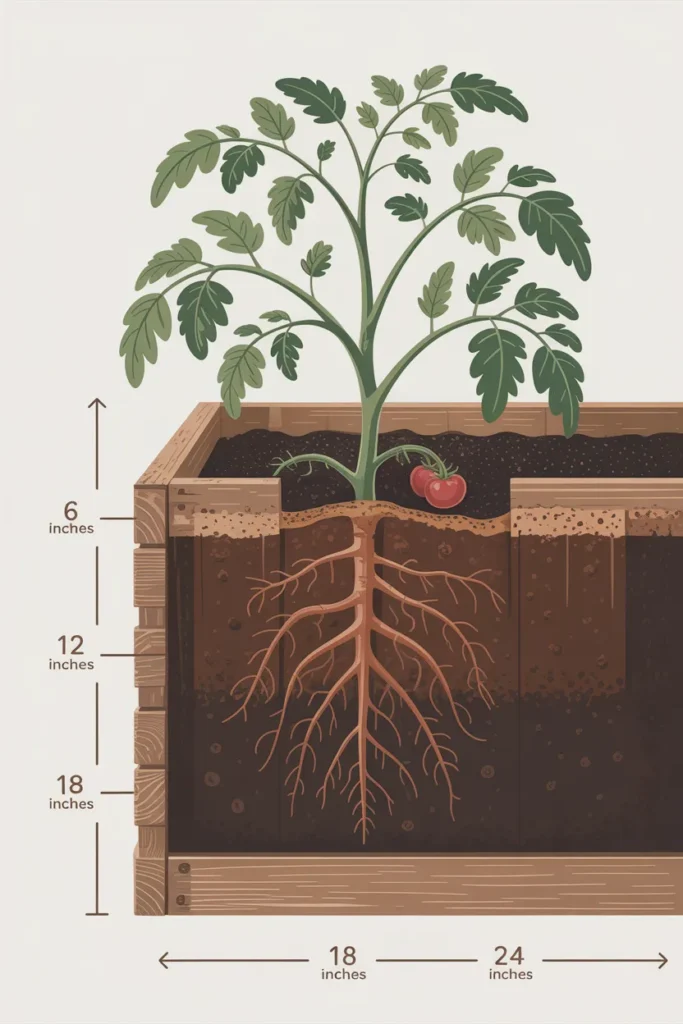
If your bed sits on lawn or open soil: Plant roots can push down past the bed walls into the native ground, which means a 12-inch bed often performs like an 18-inch bed once roots establish. Loosen the top 6 inches of native soil with a garden fork before you build, and you’ve effectively doubled your usable depth for free.
If your bed sits on concrete, pavers, or a deck: What you build is what you get. Add at least 6 inches to whatever depth your plants need. A tomato that wants 18 inches now wants 24.
If you have gophers, voles, or moles: Line the bottom with half-inch hardware cloth (around $30 for a 4 by 25 foot roll at Lowe’s) before you fill. This adds zero depth but saves your entire crop.
If a tree is within 15 feet of the bed: Tree roots will eventually invade through the bottom, no matter how deep your soil is. Use landscape fabric plus hardware cloth as a barrier and plan to refresh it every 3 to 4 years.
Depth by Vegetable: The Real Numbers
This is where I’ll go deeper than the top-ranking guides. Each plant gets a minimum, an ideal, and a “you’ll regret this” floor.
Shallow Rooters (6 to 8 inches minimum, 12 inches ideal)
These are the patio garden heroes. Lettuce, arugula, spinach, radishes, green onions, basil, cilantro, parsley, thyme, oregano, mint, chives, microgreens, and most leafy greens.
Why it works: These plants finish their life cycle in 30 to 60 days and never develop deep roots. A 6-inch container holds enough soil for a full lettuce harvest if you water consistently.
How to execute: Build or buy a 6 to 8-inch deep box (cedar, galvanized, or fabric grow bags work). Fill with a 50/50 mix of quality bagged garden soil and compost. Sow seeds directly. Harvest, replant, repeat. You can squeeze 3 successive crops between April and October in most US zones.
Medium Rooters (12 inches minimum, 15 to 18 inches ideal)
Bush beans, peppers, kale, chard, cabbage, broccoli, cauliflower, strawberries, garlic, onions, leeks, dwarf bush varieties of cucumber and zucchini.
Why it works: These plants put down a fibrous root system that wants room to spread sideways and down. Twelve inches gives them what they need, and the extra 3 to 6 inches buffers against summer heat stress.
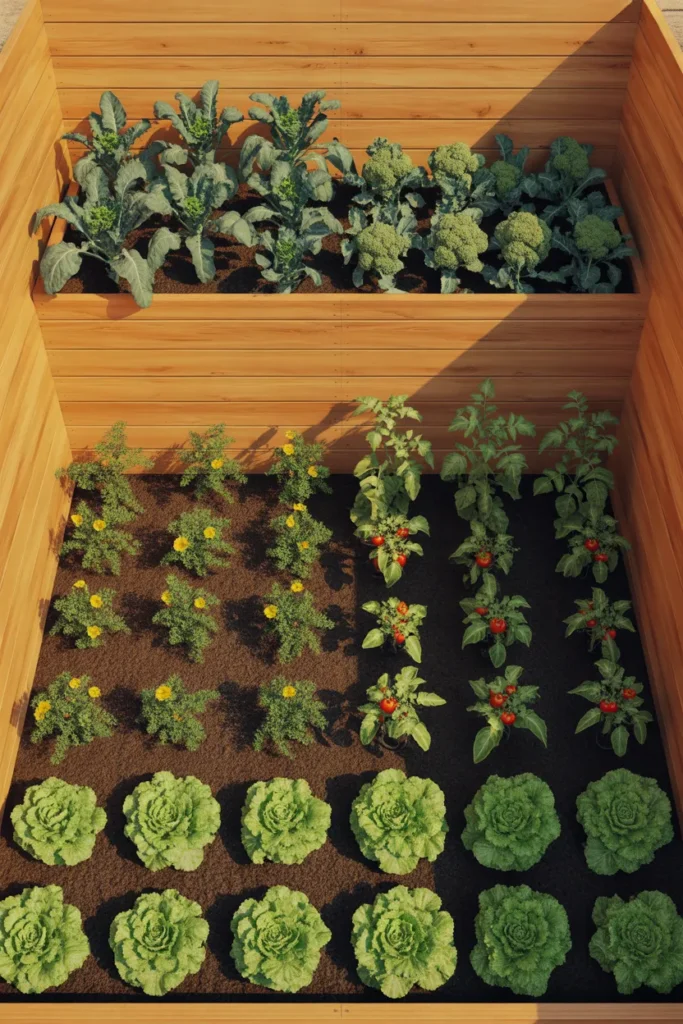
How to execute: A 12-inch bed is the sweet spot if you’re building one bed for a mixed garden. Pair shallow rooters in the front edges and medium rooters in the center.
Deep Rooters (18 inches minimum, 24 inches ideal)
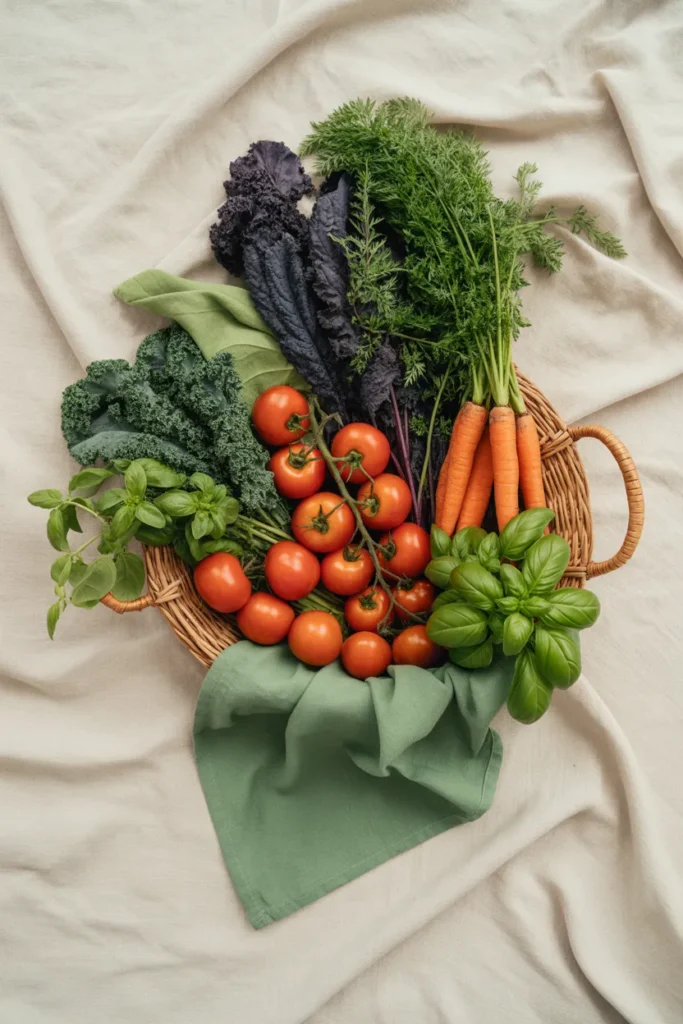
Tomatoes (especially indeterminate and beefsteak), full-size cucumbers, zucchini, summer squash, eggplant, potatoes, carrots, beets, turnips, full-size onions, fennel.
Why it works: Tomato roots can extend 4 to 5 feet down in open ground. They won’t get that in a bed, but 18 to 24 inches gives them enough vertical room to anchor heavy fruit-laden plants and pull water from below during August heat waves.
How to execute: Eighteen inches is the depth I recommend for any serious vegetable bed. Skip the gravel-at-the-bottom myth (more on that in mistakes), fill with a layered mix of compost, topsoil, and aged manure. Add a tomato cage or trellis at planting time, never after, because pushing posts into established roots is brutal on the plant.
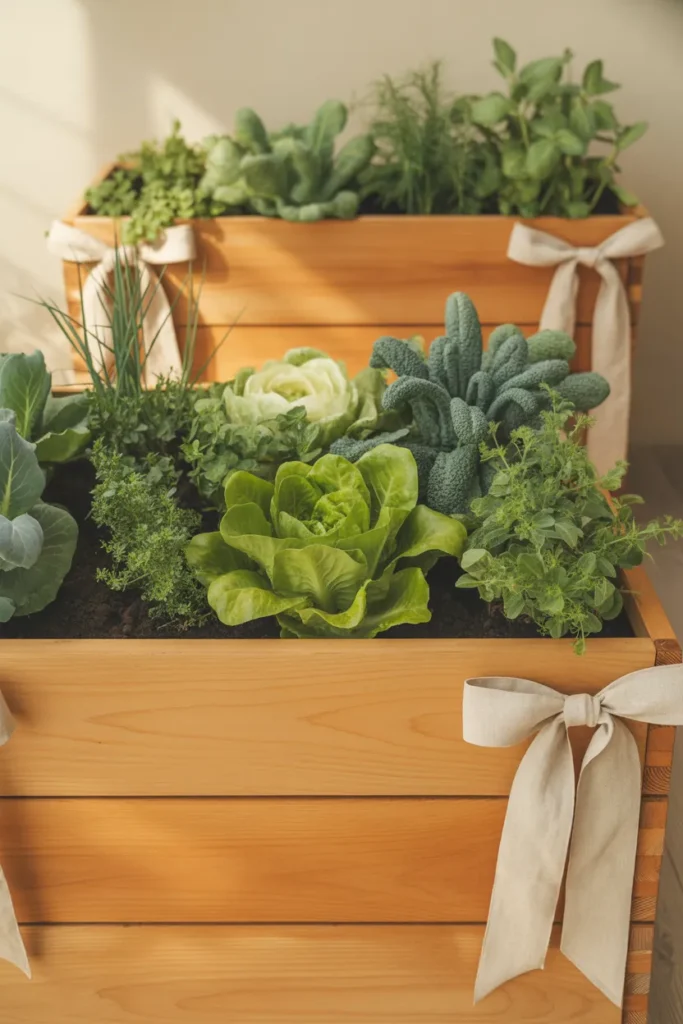
Very Deep Rooters (24 inches plus)
Asparagus, parsnips, horseradish, full-size carrots in clay-heavy regions, dwarf fruit trees, artichokes, rhubarb.
Why it works: Asparagus is a 20-year perennial. Parsnips can grow 18 inches long underground. These plants reward you for one big upfront investment in depth.
How to execute: Build a dedicated permanent bed 24 to 32 inches tall. The 32-inch height also doubles as an accessibility bed (no bending), which matters more than you think after age 50 or for anyone with back issues.
Budget vs Splurge: What 6, 12, 18, and 24 Inches Actually Cost
Here’s the cost breakdown nobody else publishes. Numbers reflect 2026 US pricing for a standard 4 by 8 foot bed.
Budget Build (6 to 8 inches deep)
- Lumber: 4 untreated pine 2×8 boards from Home Depot, around $48 total
- Soil: 16 cubic feet of bagged garden soil and compost mix at Lowe’s, around $80
- Hardware: Deck screws and corner brackets, around $15
- Total: $143
Mid-Range Build (12 inches deep)
- Option A: Cedar 2×12 boards from Lowe’s, around $120
- Option B: Vego or Birdies galvanized 12-inch metal kit from Amazon, around $130 to $180
- Soil: 32 cubic feet, around $160
- Total: $290 to $360
Splurge Build (18 to 24 inches deep)
- Cedar 2×12 stacked or modular metal kit (Vego XL, Gardener’s Supply, Williams Sonoma Agrarian), around $250 to $500
- Soil: 48 to 64 cubic feet, around $240 to $320
- Total: $490 to $820
The soil cost is the line that surprises everyone. Going from 12 inches to 24 inches doubles your soil bill before you’ve planted a single seed. This is exactly why the lasagna fill method (covered next) became a Pinterest favorite.
What to Put in the Bottom of a Deep Raised Bed
If you build a 24-inch bed, you’re not paying for 24 inches of premium garden soil. That would be wasteful and your plants don’t need it.
The bottom 30 to 50 percent of any deep bed should be filled with organic matter that breaks down slowly. This is the “lasagna fill” or modified hugelkultur approach, and it’s the single best way to cut soil costs.
Bottom layer (4 to 8 inches): Logs, branches, twigs, untreated wood scraps. They hold moisture and decompose into rich humus over 2 to 3 years.
Middle layer (4 to 6 inches): Cardboard (no glossy print), shredded newspaper, fall leaves, grass clippings, kitchen compost. This is where soil microbes set up shop.
Top layer (8 to 12 inches): This is your premium zone. Fill with a 60/30/10 mix of quality topsoil, finished compost, and aged manure. This is where roots actually live for the first 2 seasons.
Skip gravel at the bottom. Despite what older guides say, gravel does not improve drainage. It creates a perched water table where soil sits soggy right above the rocks. Use the wood-and-organic approach instead.
Bed Height vs Bed Depth: Don’t Confuse the Two
Bed height is the wall height from ground to top edge. Bed depth is how much soil sits inside.
A 32-inch tall bed sitting on grass with a permeable bottom can have only 18 inches of soil and still grow anything you want, because roots punch through the bottom. A 32-inch tall bed on a concrete patio with a closed bottom needs the full 32 inches of soil minus a few inches of headspace.
For accessibility, 28 to 32 inches is the no-bending sweet spot. For kids’ gardens, 12 to 18 inches keeps everything reachable. For wheelchair access, 24 to 28 inches with a 12 to 18-inch wide bed lets gardeners reach the center comfortably.
Common Mistakes to Avoid
After building beds for myself and helping friends rebuild theirs, the same mistakes show up over and over.
Building too shallow to save money. A 6-inch bed feels like a win at checkout and a loss in July when your tomatoes are stressed. If you can only afford one bed this year, go 12 inches minimum.
Adding gravel or rocks at the bottom for drainage. It backfires. Use organic matter or nothing.
Lining the inside walls with plastic. Plastic traps water and rots wood faster, not slower. If you want to protect cedar walls, use a breathable landscape fabric.
Filling 100 percent with bagged “garden soil.” Bagged soil alone compacts and starves plants. Always mix in 30 to 40 percent compost.
Building beds wider than 4 feet. Anything wider means you can’t reach the center without stepping in, which compacts your beautiful fluffy soil. Stick to 4 feet wide max if accessible from both sides, 2 feet if against a fence.
Forgetting to plan for water. A 24-inch deep bed in July needs more water than you think. Install drip irrigation at build time, not after planting.
Skipping hardware cloth in gopher country. One gopher will undo your entire $500 build in a week.
Best Raised Bed Materials by Depth
Material affects how deep you can practically build.
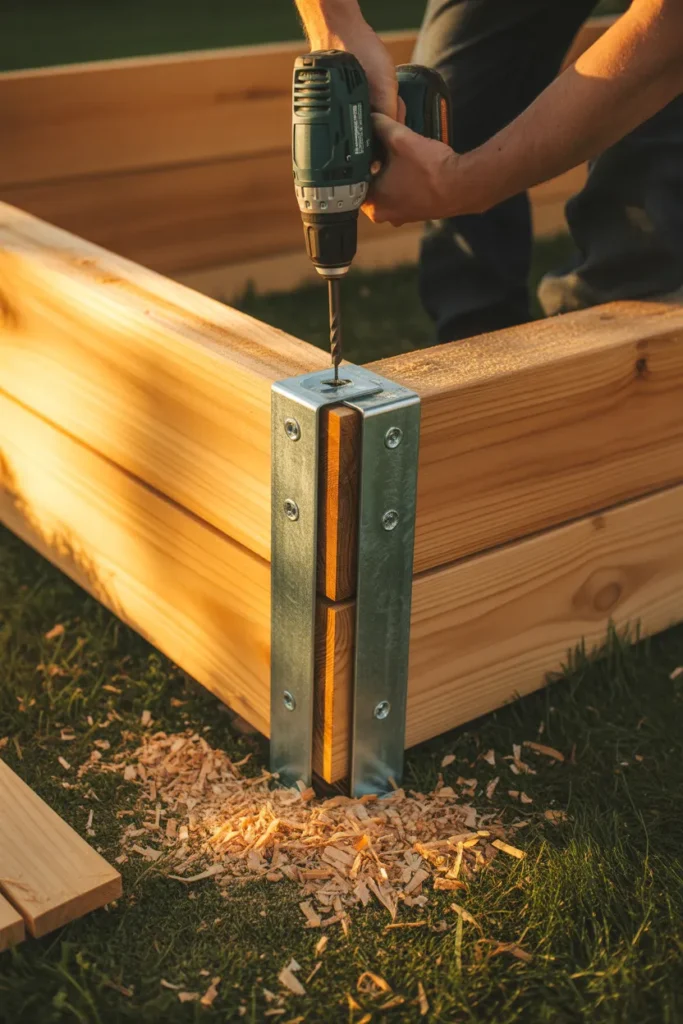
Untreated pine or fir: Cheap and beginner-friendly, lasts 4 to 7 years. Good for 6 to 12-inch beds. Avoid for taller builds because the boards bow under soil pressure.
Cedar or redwood: The gold standard. Lasts 10 to 15 years, naturally rot-resistant. Works for any depth. Pricey but worth it for a permanent kitchen garden.
Galvanized steel (Vego, Birdies, Gardener’s Supply): Lasts 20 plus years, comes in modular kits, available in 17, 24, and 32-inch heights. Heats up fast in southern summers, so add mulch.
Composite or recycled plastic: Lasts 20 plus years, won’t rot or rust. More expensive than cedar.
Stone or brick: Permanent, beautiful, expensive. Great for 18 to 24-inch builds where you want a lifetime structure.
Skip pressure-treated lumber, railroad ties, and tires. Chemicals leach into food crops.
Soil Volume Math: How Much to Buy
Use this formula every time:
Length (feet) x Width (feet) x Depth (feet) = cubic feet of soil needed
A 4 by 8 foot bed at 12 inches deep equals 32 cubic feet. At 18 inches, 48 cubic feet. At 24 inches, 64 cubic feet.
Bagged soil typically comes in 1.5 or 2 cubic foot bags. For anything over 1 cubic yard (27 cubic feet), order bulk delivery from a local landscape supply yard. It’s roughly half the cost per cubic foot.
If you’re using the lasagna fill method, only the top 8 to 12 inches needs to be premium soil. That cuts your premium soil bill in half on a 24-inch bed.
For deeper layout planning and what to plant where, our raised garden bed layout ideas post walks through grid systems and companion plant pairings.
Rental-Friendly and Small-Space Depth Solutions
If you rent, you have options that don’t require digging or drilling.
Fabric grow bags (6 to 18 inches deep): Smart Pots and similar fabric containers come in sizes from 5 gallon (10 inches deep) to 100 gallon (24 inches deep). Around $15 to $50 each. They fold flat at season end.
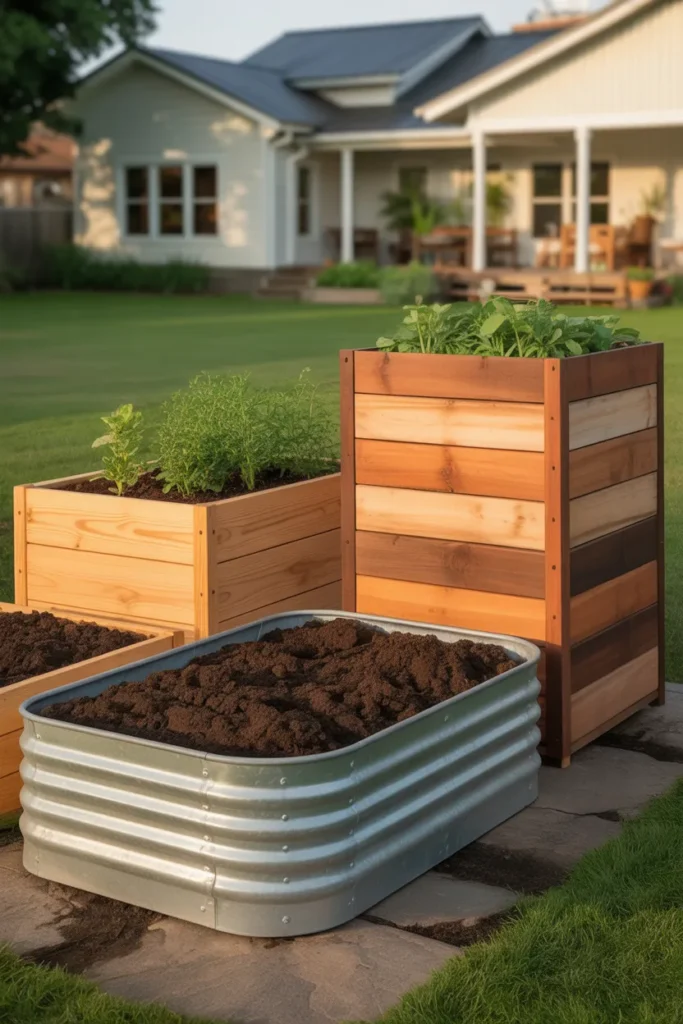
Galvanized stock tanks: Drill drainage holes in the bottom, fill, and grow. Tractor Supply sells 2 by 4 foot tanks in 12 and 24-inch depths for $90 to $180.
Modular metal beds with no-drill assembly: Vego and Birdies kits assemble with bolts, no foundation needed, and disassemble when you move.
Apartment balcony setup: A 12-inch deep planter box at least 36 inches long fits most balconies. Works in spaces as narrow as 18 inches if you choose a 12-inch wide box.
For full DIY blueprints with cut lists at multiple depths, see our DIY raised garden bed plans.

Seasonal Considerations for Raised Bed Depth
Depth interacts with weather in ways flat-ground gardens don’t have to worry about.
Spring: Raised beds warm up 2 to 3 weeks earlier than ground soil, more so in shallow beds. A 6-inch bed in March is already plantable when 18-inch beds are still cold. Use shallow beds for early lettuce and peas.
Summer: Deeper beds hold moisture longer. An 18-inch bed needs watering every 2 to 3 days in 90-degree heat. A 6-inch bed needs daily water.
Fall: Garlic gets planted in October and overwinters. It needs at least 8 inches of soil but performs better at 12 inches in cold zones (4 and below).
Winter: Deep beds (18 plus inches) survive freezes better because the soil mass insulates roots. Shallow beds freeze solid.
Plant Pairing by Depth
Once you know your bed depth, picking the right plants gets simple. We have a full breakdown of the best vegetables for raised beds that maps every common veggie to its ideal bed depth.
For deeper research on root depth science, the University of California Master Gardener Program publishes free vegetable rooting depth charts. The USDA Plant Hardiness Zone Map helps you pick varieties that fit your climate before you commit to a bed size.
FAQ
How deep should a raised garden bed be for tomatoes?
Tomatoes need at least 18 inches of soil depth, with 24 inches being ideal for indeterminate and beefsteak varieties. If your bed sits on open ground and you’ve loosened the soil underneath, 12 inches in the bed plus another 6 inches of loose native soil works fine.
Can I just fill my raised garden bed with soil?
You can, but it will cost more and perform worse than a layered fill. Plain topsoil compacts within one season. Mix 50 to 60 percent topsoil with 30 to 40 percent compost and 10 percent aged manure for the top 12 inches. For depths over 18 inches, fill the bottom half with logs, branches, leaves, and cardboard to save money and improve long-term soil health.
What is the 70/30 rule in gardening?
The 70/30 rule refers to a soil mix ratio of 70 percent topsoil to 30 percent compost for raised beds. Some gardeners flip it for ultra-rich blends (30 percent topsoil, 70 percent compost), but 70/30 is the safe starting point for most vegetables.
Are deeper raised beds better?
Deeper isn’t always better, but it is more forgiving. A 24-inch bed dries out slower, holds more nutrients, and gives roots room to spread, which means stressed plants recover faster. The trade-off is cost, since soil volume doubles. For most gardeners, 12 to 18 inches is the practical sweet spot.
What should you not put in a raised garden bed?
Skip pressure-treated wood, railroad ties, plastic liners, gravel at the bottom, glossy printed cardboard, walnut leaves or wood (toxic to many plants), diseased plant matter, and any soil from a previous diseased garden. Avoid filling with construction sand or fill dirt, which compacts.
What are the negatives of raised garden beds?
The honest list: higher upfront cost, faster drying in summer (you’ll water more), soil settles 1 to 2 inches in the first season and needs topping off, and you’re limited to the bed footprint, so spreading plants like pumpkins need extra space. None of these are dealbreakers, but worth knowing before you build.
How do I do this in a small space or rental?
Use fabric grow bags (Smart Pots), modular metal kits that disassemble (Vego, Birdies), or galvanized stock tanks. None require digging, drilling into walls, or permanent installation. A 12-inch deep grow bag at 36 inches across grows a full tomato plant on a balcony.
What is the budget version of a deep raised bed?
Build a 12-inch pine bed for under $150 in materials, then use the lasagna fill method to cut soil costs in half. Untreated pine 2×12 boards from Home Depot, deck screws, and a free supply of cardboard and yard branches gets you the same growing performance as an $800 cedar build for the first 4 to 5 years.
What if I do not have power tools?
Buy a pre-cut kit. Galvanized metal beds from Vego, Birdies, or Olle assemble with a single Allen wrench. Fabric grow bags need zero tools. Pre-cut cedar kits from Gardener’s Supply ship with all hardware and assemble with a screwdriver.
How long does it take to build a raised garden bed?
A pre-cut metal kit takes 30 to 60 minutes solo. A DIY pine or cedar bed takes 2 to 4 hours including measuring, cutting, and assembly. Filling and planting adds another 1 to 3 hours depending on bed size and whether you’re hauling bagged soil or having bulk delivered.
What is an alternative to a raised bed?
In-ground gardens with double-dug soil work great if your native soil is decent. Container gardens, fabric grow bags, vertical wall planters, and straw bale gardening are also alternatives. Each has trade-offs in cost, longevity, and yield.
What is the 3-hour gardening rule?
The 3-hour rule says any garden bed should require no more than 3 hours of total maintenance per week during peak season. If yours takes more, the bed is too big, the soil is too poor, or the plant choices are too needy.
Bringing It All Together
Twelve inches is the floor, 18 inches is the sweet spot, and 24 inches is the dream if you’re building a forever garden. Match your depth to what you’ll actually plant, account for what’s underneath your bed, and don’t waste premium soil filling space that wood scraps and cardboard can hold just as well.
Save this post to your garden planning board so you have the depth chart and soil math when you’re standing in the lumber aisle making a decision. And if you’re ready to start building, our DIY raised garden bed plans walk you through cut lists for 6, 12, 18, and 24-inch beds.
What depth are you building this season? You’ll get one more harvest out of every extra 6 inches, I promise.