12 Floating Deck Ideas for Every Yard (No Concrete Truck Required)
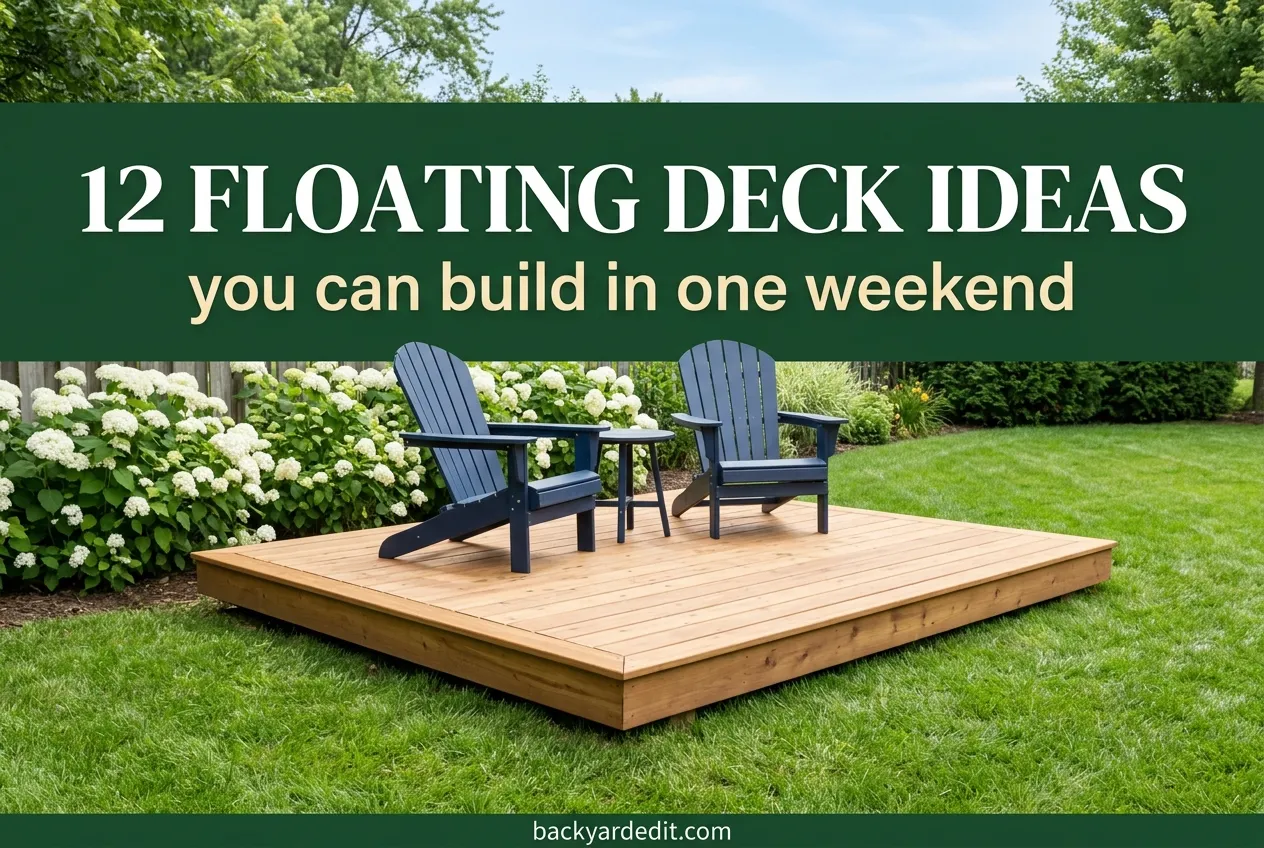
The best floating deck ideas all share one honest trick: they skip the concrete entirely. A floating deck (your town may call it a freestanding or ground level deck) rests on surface blocks instead of poured footings, so you can frame one Saturday morning and eat dinner on it Sunday night. No auger rental. No inspector walking the yard, in most cases. We pulled together 12 builds below, sorted from starter platforms to full showpieces, with the same spend-smart spirit as our favorite backyard oasis ideas on a budget. Each one includes real products, realistic costs, and the prep work the pretty photos never show.
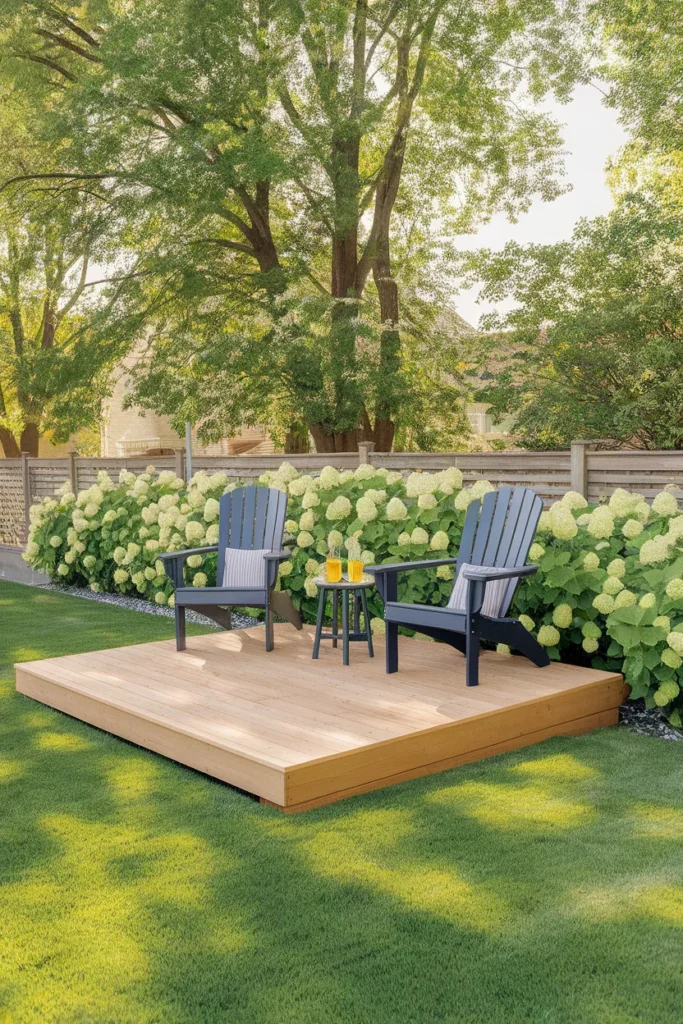
Why a Floating Deck Beats a Traditional Build
A traditional attached deck bolts to your house with a ledger board, which drags in frost footings, flashing details, and nearly always a permit. A floating deck sidesteps all three. It sits on the ground on its own little foundation blocks, moves a hair with the seasons, and shrugs it off.
The money math backs this up. Cost guides like This Old House peg floating decks at $20 to $60 per square foot installed, against $30 to $60 for an attached build, and a DIY block-and-lumber version lands well under both. Build it yourself at 120 square feet and you’re often into it for less than one contractor invoice.
Here’s our contrarian take after several builds: go smaller than you think. A 10×12 platform holds a dining set or a lounge set comfortably. A 16×20 monster holds both, costs triple, eats the lawn, and usually crosses the permit line. Trust us here. The small deck gets used more because it feels like a room.
Start Here: Three Weekend Platforms Anyone Can Build
Every build in this group is a Tier 1 or Tier 2 project in the budget framework you’ll meet below. Zero concrete. Two days, tops.
1. The Classic 10×12 Deck-Block Platform (Tier 2)
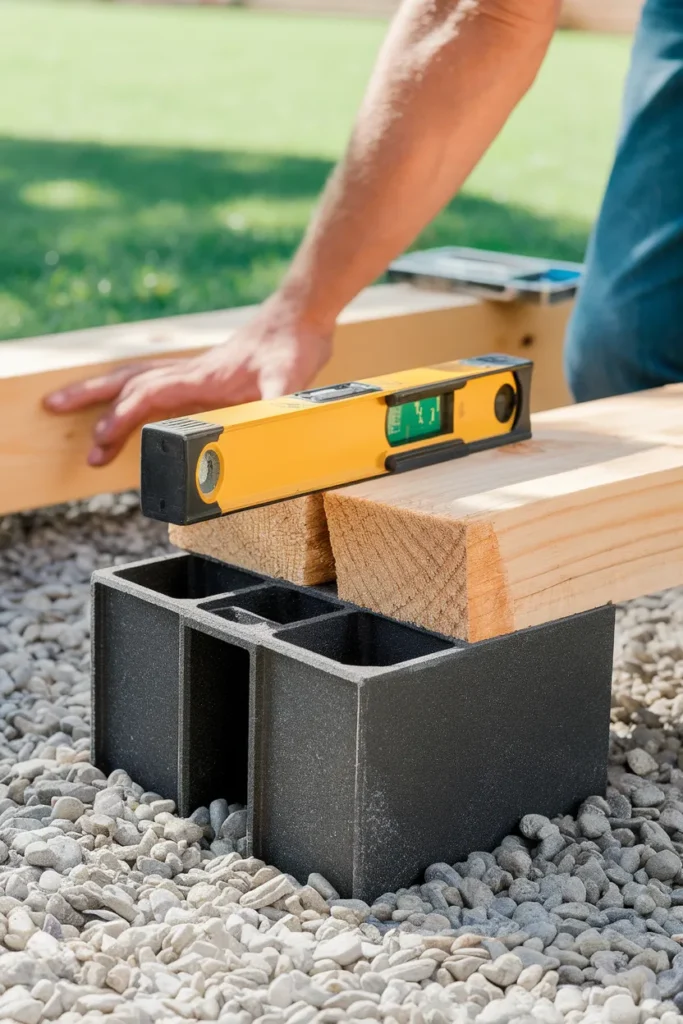
This is the gateway build, and the one we’d point any first-timer toward. Set TuffBlocks on tamped gravel (they run $12 a block, $95.95 for an 8 pack), drop in pressure treated 2×6 joists at 16 inches on center, square the frame, and screw down 5/4 deck boards. Our first spring build taught us the expensive-feeling lesson here: we bought two 8 packs to save money, felt the middle bounce underfoot by June, and ended up ordering the third pack anyway to tighten the mid-span. Buy the extra blocks up front. Sixteen to eighteen blocks under a 10×12 feels like a stage, not a trampoline.
2. The Pallet Deck for Under $300 (Tier 1)
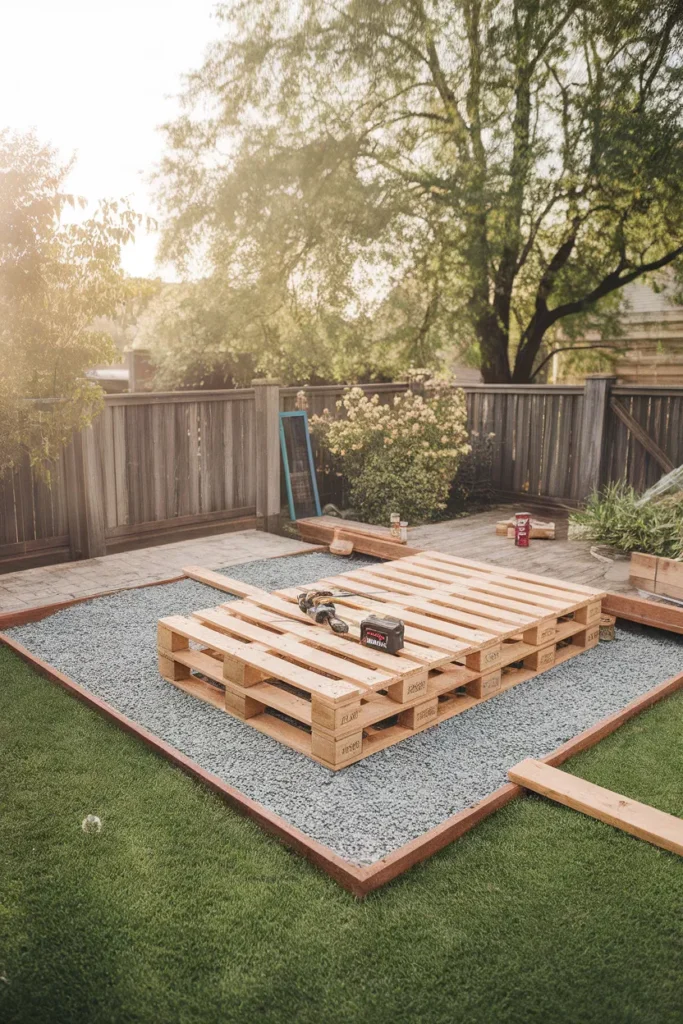
Free pallets off Facebook Marketplace, a leveled bed of gravel, and one long afternoon with a sander. That’s the whole recipe. Look for pallets stamped HT (heat treated), lay them tight in a brick pattern, screw them together through the stringers, and top with exterior stain. Gaps too wide for your taste? Rip spare pallet slats and fill them in. A couple of Dollar Tree solar stakes along the edge make it read intentional instead of improvised.
3. The Snap-Together Tile Platform, aka the Renter’s Deck (Tier 1)
IKEA’s RUNNEN tiles click together over any flat, drained surface, each pack covering 9 square feet, typically in the $30 to $40 range. Set them over tamped paver base or an existing sad concrete pad and you’ve got a wood-look floor you can unclick and take to the next address. This one’s for renters, and for anyone testing where a permanent deck should eventually live.
Small Floating Deck Ideas for Tight Yards
A small floating deck earns its footprint better than almost any other backyard project. These three prove it.
4. The 8×8 Corner Pocket Deck (Tier 2)
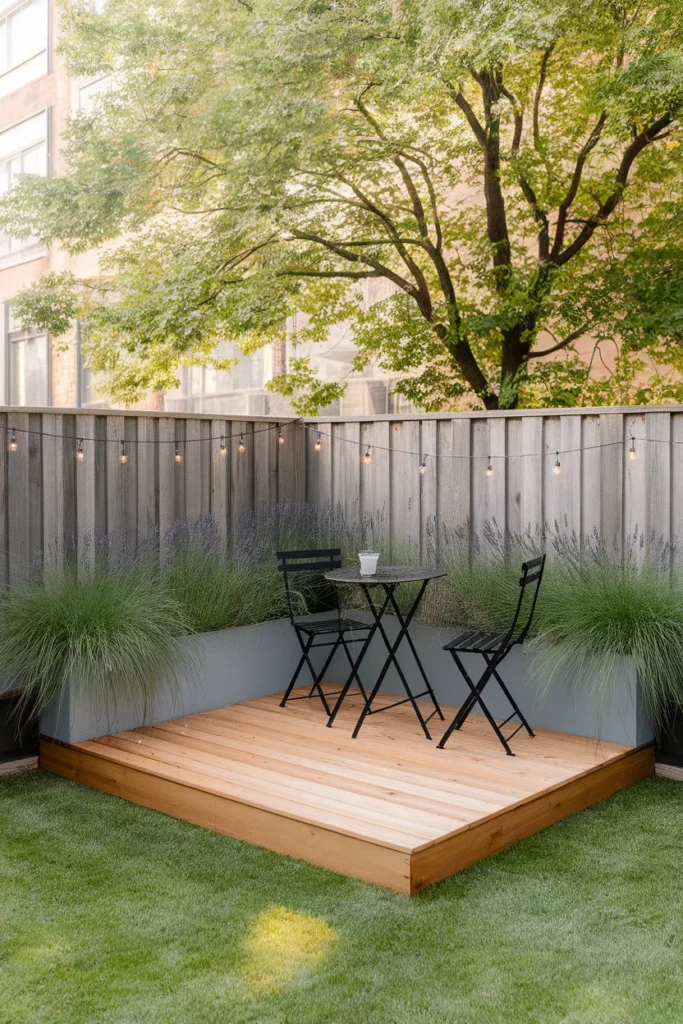
Tuck a 64 square foot platform into a fence corner and it reads like a built-in room. Run the boards diagonally; the 45 degree lines stretch the space visually and hide the fact that you can cross it in three steps. One cafe table, two chairs, done. At this size you’re under nearly every town’s permit threshold with room to spare.
5. The Planter-Framed Garden Deck (Tier 2)
Frame two edges with weighty planters (Bloem’s big resin pots keep it light to shuffle around) and the deck becomes a garden feature instead of a wood rectangle. Big pots anchor the look. In Zones 5 through 9, ‘Hidcote’ English lavender and ‘Karl Foerster’ feather reed grass both come back reliably each year and won’t outgrow the pots for seasons. Hold tender annuals until your typical last frost, usually mid May in Zone 5 and early April in Zone 8, and confirm your exact zone on the USDA Plant Hardiness Zone Map before you buy a flat of anything.
6. The Privacy Nook Deck (Tier 2)
Screw a simple cedar 1×4 slat screen to two posts along the neighbor-facing edge, 6 feet tall, gaps at 1 inch. Add one HomeGoods lantern and a chair that’s only yours. Reed fencing zip-tied to a frame does the same job for a fraction of the cost if the budget’s already spent. Small yards don’t need more space; they need one corner that feels claimed.
Floating Deck Ideas Made for Entertaining
These builds assume people are coming over. Plan the traffic flow before the first screw goes in.
7. The Built-In Bench Perimeter Deck (Tier 2)
Frame a 2×4 bench right into two sides of the deck, 17 inches tall, 16 inches deep, and you seat six people in the footprint three chairs would claim. Top the bench with outdoor cushions and it doubles as a lounge daybed on quiet nights. Bonus: the bench frame stiffens the whole deck edge.
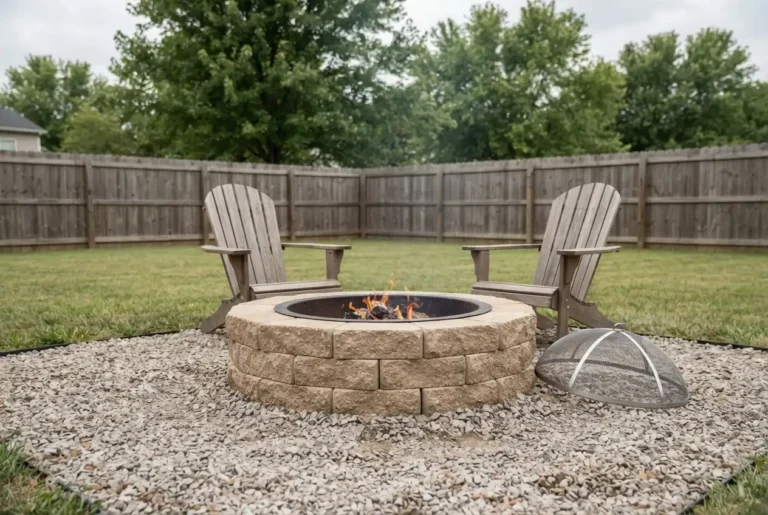
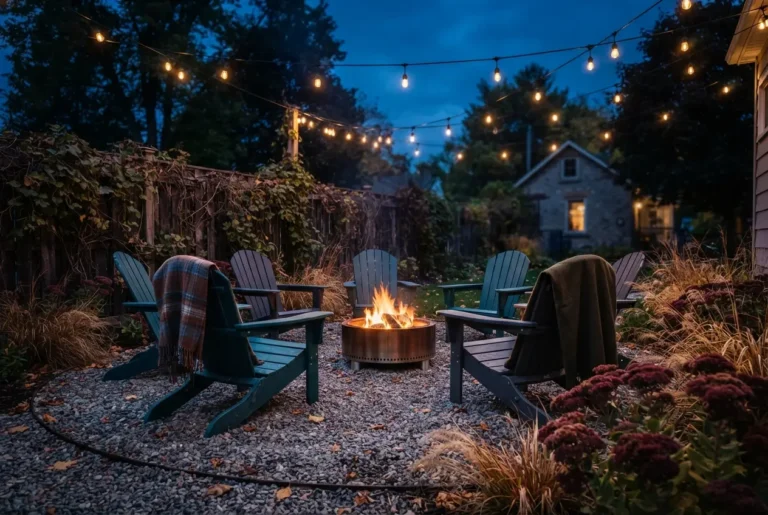
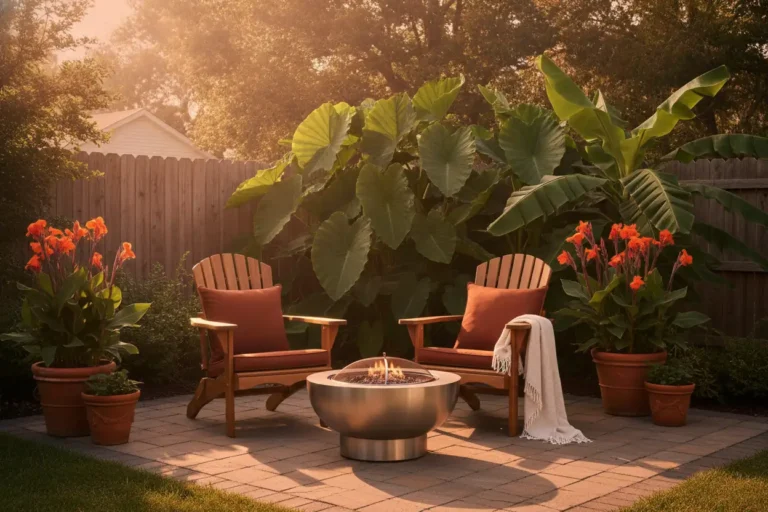
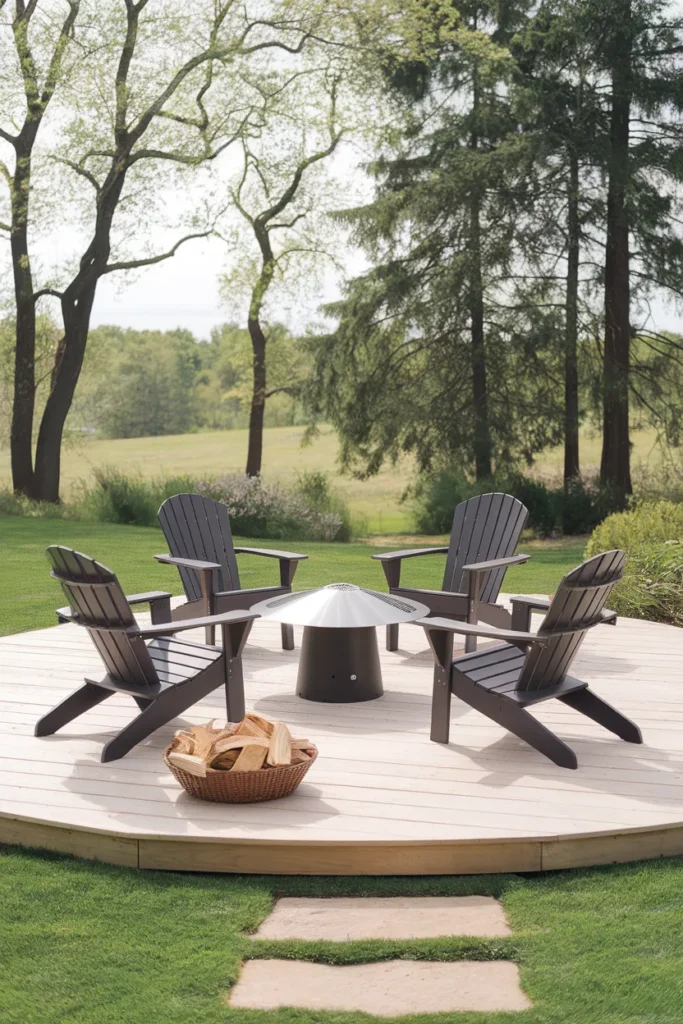
8. The Fire Pit Lounge Deck (Tier 3)
A floating deck with a fire pit is the single most requested build we hear about, and the one that punishes shortcuts. Use a smokeless pit like the Solo Stove Bonfire 2.0 (usually in the $250 to $350 range depending on the bundle) and set it on a deck-rated heat shield or its matching stand, never bare boards. Our first fall burn happened two nervous feet from a $40 heat deflector we bought the next morning; radiant heat through the bottom is no joke on wood. Learn from that one.
Keep the pit generously clear of the house, fences, and anything overhead, skip it entirely on windy nights, and read NFPA’s fire pit and outdoor fire safety tips before the first light. Local fire codes vary, so confirm yours; this is general information, not a substitute for your fire marshal. Want the flames off the deck completely? A pergola with a fire pit beside the platform gives you the glow without the worry.
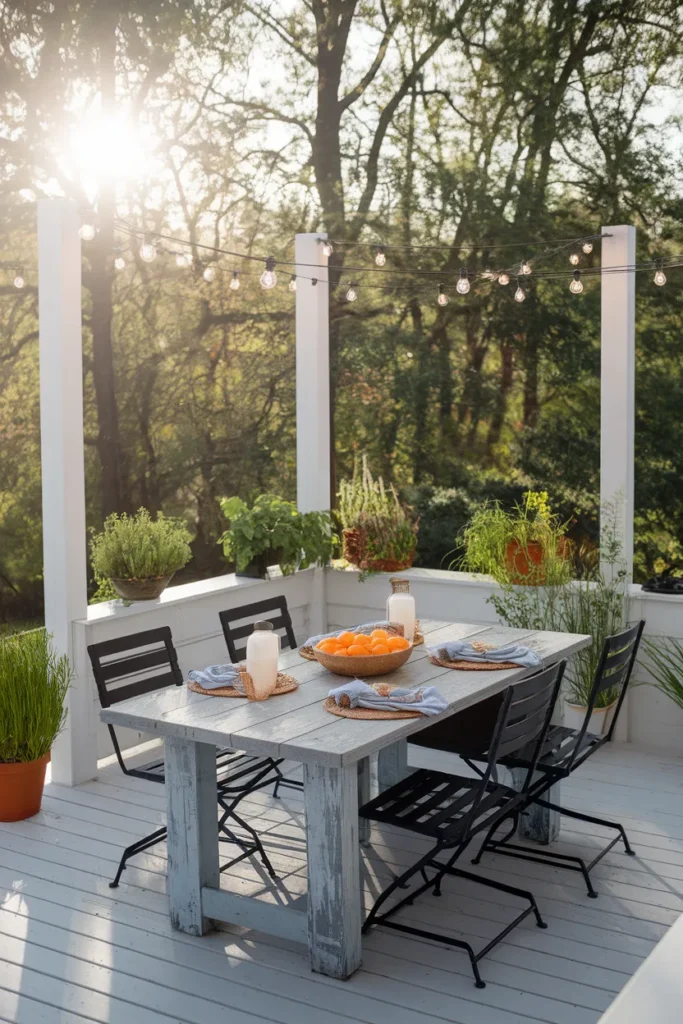
9. The Al Fresco Dining Deck (Tier 3)
Size matters most here: a 10×14 platform seats six around a table with chairs pulled out, and nothing smaller does. IKEA’s BONDHOLMEN dining set weathers to a silver gray that looks better every season, and a single run of Brightech-style cafe bulbs overhead turns Tuesday pasta into an event. Position this deck close to the kitchen door. Every step between the stove and the table gets old by August.
Statement Builds Worth an Extra Weekend
Three Tier 3 projects for when the starter platform has already proven how much you’ll use the space.
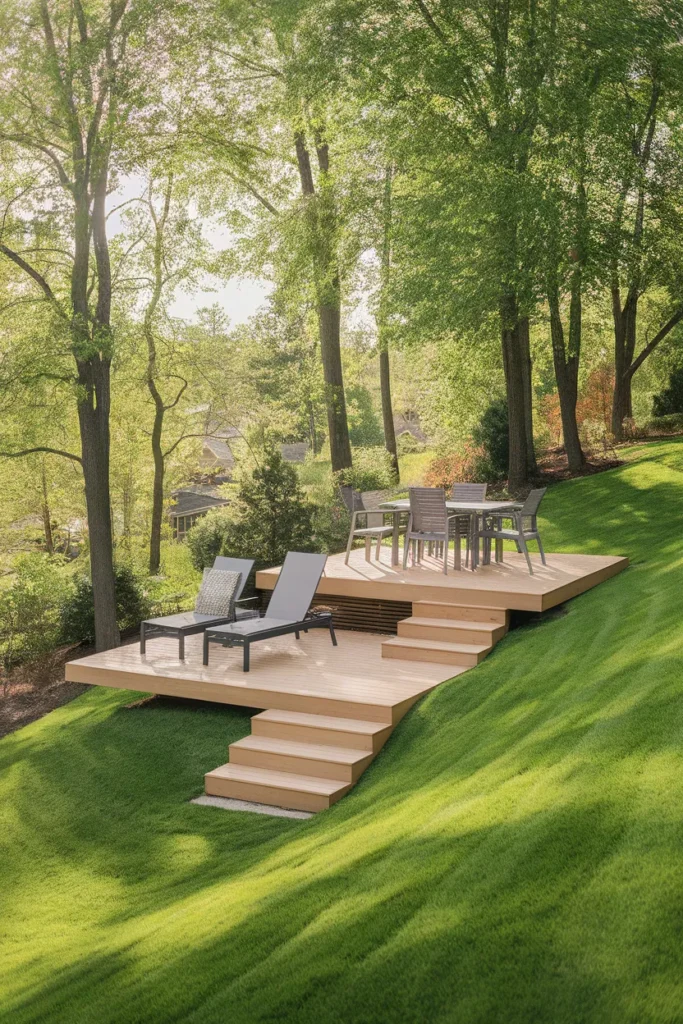
10. The Two-Tier Slope Saver
A sloped yard usually gets quoted a retaining wall. A stepped pair of floating platforms solves it for a fraction of the price: build the upper deck at grade, drop the lower one 12 to 16 inches, and connect them with one full-width step. One step, two rooms. Each platform stays low enough to keep its permit-exempt status in most towns, and the two levels naturally zone dining up top and lounging below.
11. The Poolside (or Hot Tub-Adjacent) Platform
An above ground pool with a floating deck wrapped along one side stops feeling temporary and starts feeling resort-ish. Keep the deck structurally independent from the pool wall and use grippy, splinter-free composite boards for wet feet. One hard warning: a filled hot tub can push past 100 pounds per square foot, far beyond a standard block-and-joist frame. Placing a spa on any deck calls for engineered framing and a qualified pro’s sign-off, full stop.
12. The Modern Black-and-Cedar Showpiece
Stain the frame and skirting matte black, leave the deck boards natural cedar, and hide every fastener with a hidden-clip system. The two-tone contrast photographs like an architecture magazine spread. Finish with a pair of Polywood lounge chairs (the recycled-plastic classics that ignore weather entirely) and one oversized concrete-look planter. Restraint is the whole aesthetic here; three elements, repeated confidently.
The 3-Tier Deck Budget (Steal This Before You Buy Lumber)
We plan every deck with a framework we call The 3-Tier Deck Budget: match the build to one of three spending tiers before touching a cart, and let the tier (not the mood in the lumber aisle) make your material calls. It kills the mid-project budget creep that turns a $900 deck into a $2,000 one. Screenshot the table and take it shopping.
| Tier | Nickname | Typical Spend | What You Get | Best For |
|---|---|---|---|---|
| 1 | Snap and Style | Under $400 | RUNNEN tiles or a pallet platform on gravel | Renters, testers, tiny budgets |
| 2 | Block and Build | $800 to $1,600 | 10×12 pressure treated frame on TuffBlocks | First real deck, DIY weekends |
| 3 | The Showpiece | $2,500 and up | Composite boards, two tiers, built-ins, fire pit zone | Forever yards, entertainers |
Lumber and composite prices swing with the market, so treat every figure as a planning ballpark rather than a quote; your local Home Depot or Lowe’s flyer gets the final word. The tier tags on the 12 ideas above plug straight into this table, which makes the DIY floating deck plans phase mostly a matter of counting joists.
What Goes Under a Ground Level Deck Matters More Than the Boards
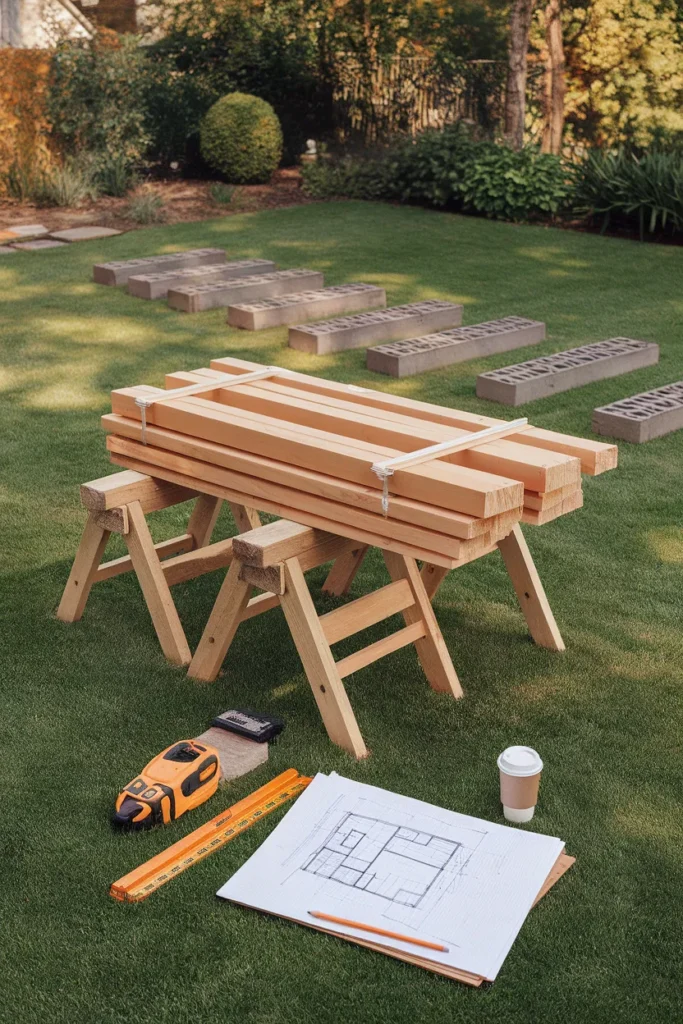
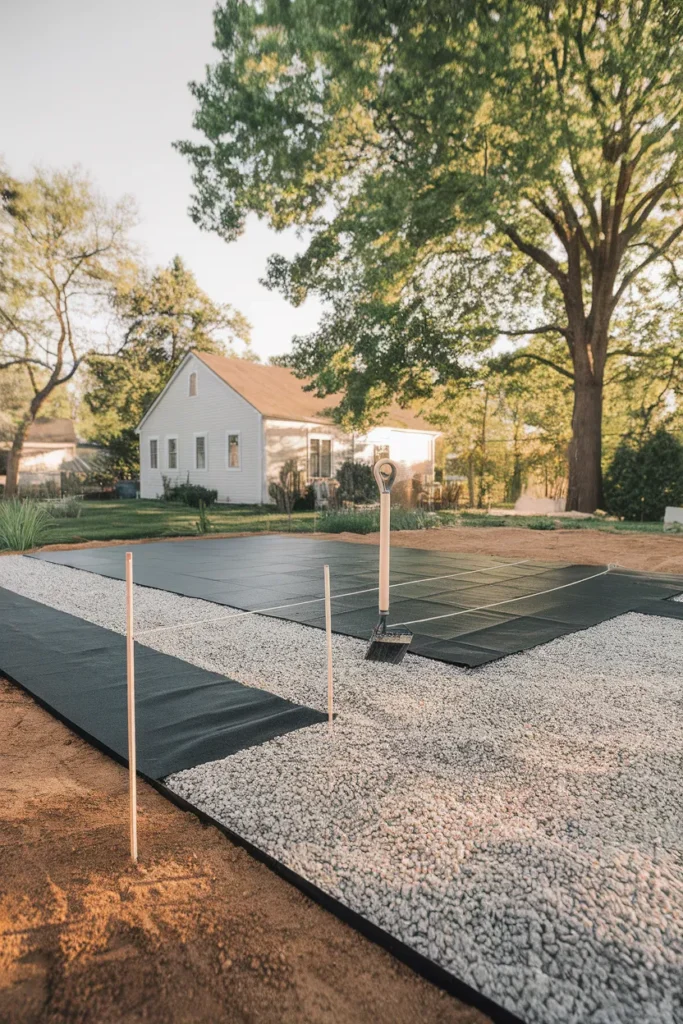
Nobody pins photos of gravel. Skip this section anyway and you’ll pay for it by July. We know because our first ground level deck went straight over mowed grass, and within one summer, weeds threaded up between every board gap while the shaded turf underneath turned to swampy mulch. A $30 roll of landscape fabric would have prevented the whole mess.
The right sandwich, bottom to top: scalp and level the soil, lay landscape fabric with generous overlaps, spread 2 to 3 inches of gravel, tamp it, then set your blocks. Tamp until it stops moving. The fabric starves weeds. The gravel drains storms and keeps the frame off damp ground so the lumber dries between rains.
In colder yards (Zones 5 and 6 especially) that gravel bed also lets the deck ride minor frost movement instead of fighting it, which is exactly why floating decks suit freeze-thaw country so well. Honestly, hauling the gravel is the sweatiest ninety minutes of the whole project, and it’s still worth every wheelbarrow.
One more thing the idea galleries never mention: size to the permit line. Under the model International Residential Code, a freestanding deck needs no permit when it stays at or under 200 square feet, under 30 inches off the ground at every point, and away from a required exit door.
Some towns cut that allowance to 100 square feet and a few require a permit for everything, so a five-minute call to your building department beats an expensive surprise. Zoning setbacks and HOA rules still apply either way. That’s general information, not legal advice; your local office is the final authority.
Floating Deck FAQ
Do you need a permit for a floating deck? Often no. The model residential code exempts freestanding decks that stay at or under 200 square feet, under 30 inches high, and away from a required exit door. Towns modify that baseline in both directions, so call your local building department before you build.
Is a floating deck cheaper than an attached deck? Usually, yes. Cost guides such as This Old House list floating decks around $20 to $60 per square foot installed versus $30 to $60 attached, and DIY block builds come in far lower because you skip footings, ledger hardware, and most labor.
How high can a floating deck be off the ground? Most sit 6 to 12 inches up. Past 30 inches you typically lose permit exemptions and trigger railing requirements, which defeats the point of a floating build. Keep it low and let it hug the yard.
How long do floating decks last? A pressure treated build with good drainage underneath commonly gives 10 to 15 years, and composite boards are frequently warrantied by their makers for 25. The base prep does more for lifespan than the board choice.
What do you put under a floating deck? Landscape fabric topped with 2 to 3 inches of tamped gravel. The fabric blocks weeds, the gravel drains water and keeps framing off wet soil, and the combination is the cheapest insurance in this entire article.
Can you put a floating deck directly on grass? You can, and you’ll regret it. Grass dies, trapped moisture rots joists from below, and weeds climb through the gaps. Strip the sod first and do the fabric-and-gravel base.
Can a floating deck hold a hot tub? Not a standard one. Filled spas can exceed 100 pounds per square foot, so they demand engineered framing designed by a qualified professional. Treat this as general information and get a pro’s sign-off before any spa goes on any deck.
Build the Small One First
Twelve floating deck ideas, and the honest advice is to start with the humblest one that fits your yard. A Tier 1 pallet platform teaches you leveling, spacing, and how your family actually uses the space, and every one of those lessons transfers straight up the tiers when you’re ready for the showpiece. Pin the builds that stopped your scroll, price them against the 3-Tier table, and when the boards are down, come string the ceiling with our favorite outdoor string light ideas. Then tell us in the comments which of the 12 you’re building first; we answer every one.