Raised Garden Bed Trellis Ideas to Grow More in Less Space
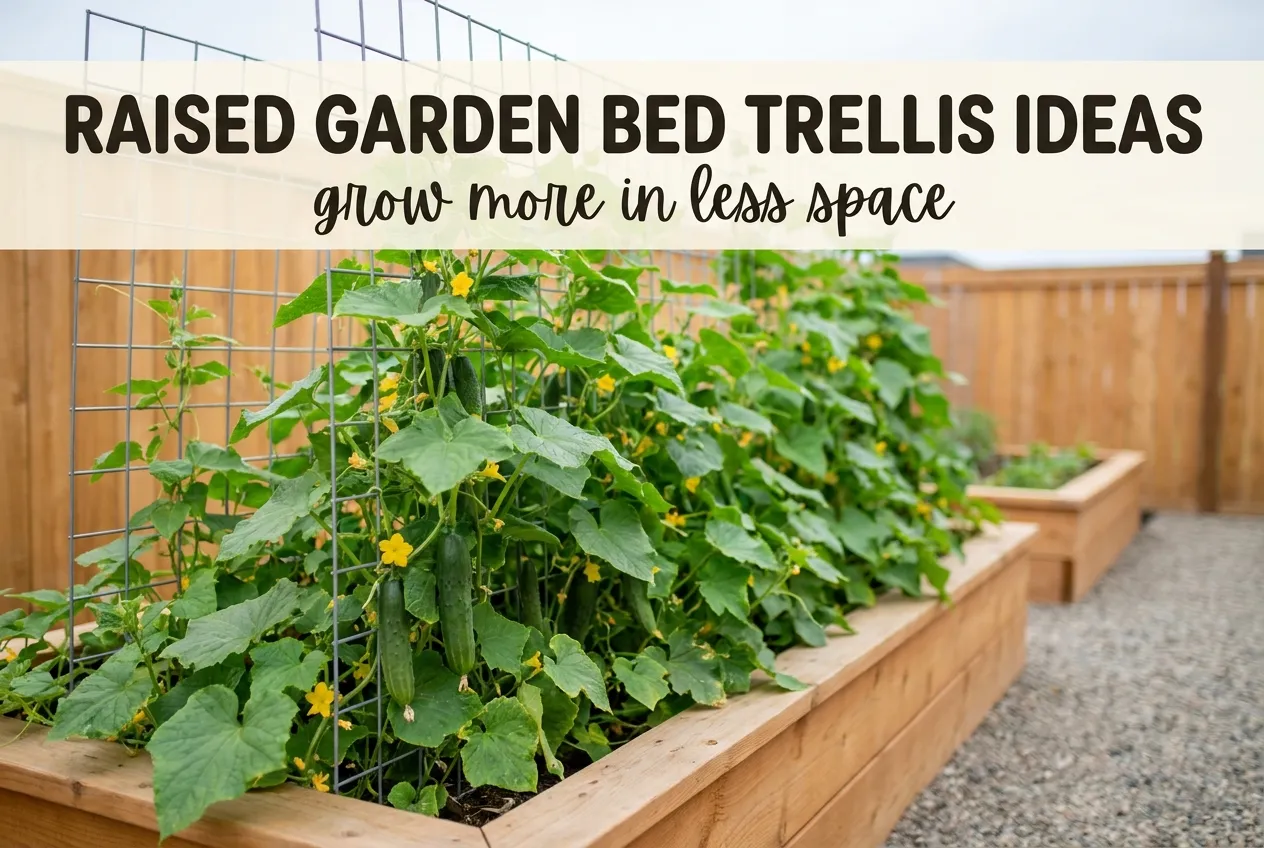
Your raised bed has a ceiling you are not using. All that open air above the soil? That is free growing space, and a trellis is how you claim it. If you have ever watched a cucumber vine sprawl across a whole bed and smother your lettuce, you already know the fix.
These raised garden bed trellis ideas turn square footage into cubic footage. Vines go up, air moves through, and your back stops complaining about ground-level harvesting.
Let’s get into the designs that actually work, plus what to plant on each one.
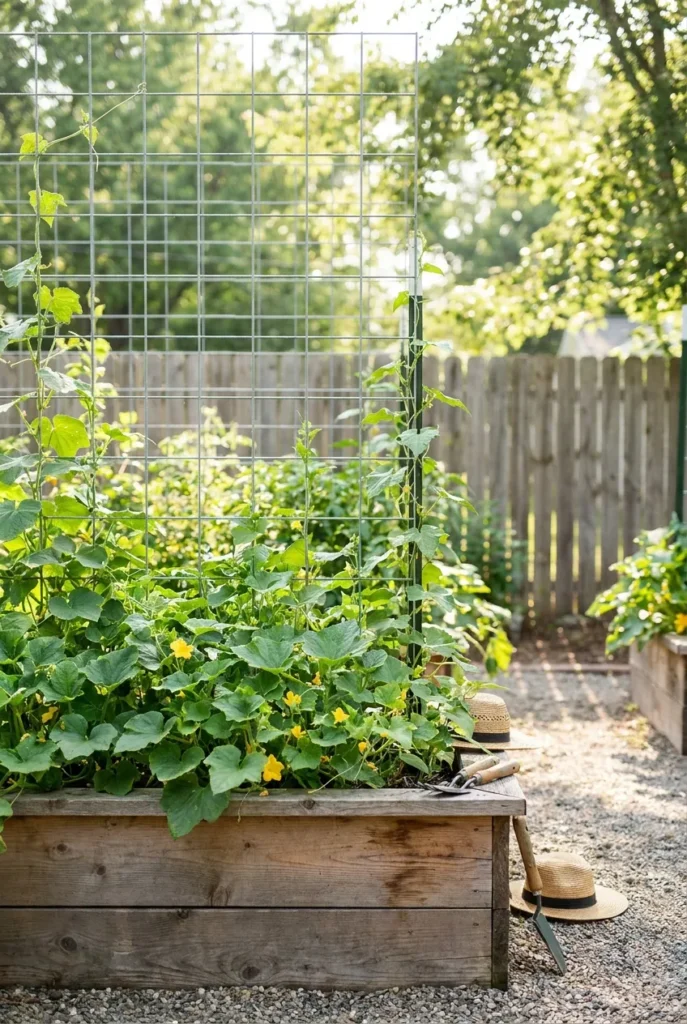
Why Put a Trellis on a Raised Garden Bed at All
Height is the whole point. A raised bed already gives you clean soil and easy reach, and a trellis stacks a second harvest into the same footprint. One 4×8 bed can carry a full row of climbing beans up top while carrots and radishes fill the ground below.
Airflow is the quiet win. Vines that climb dry out faster after rain, which cuts down on the powdery mildew that flattens cucumbers every August. The University of Minnesota Extension notes that supporting plants vertically improves air movement through the canopy (see the university extension guidance on garden vegetable supports.
Then there is your back. Picking pole beans at chest height beats crawling around on a knee pad. Honestly, that alone sold me.
The first summer I skipped a trellis, my ‘Marketmore’ cucumbers rotted where they touched wet soil and I lost about half the crop before July.
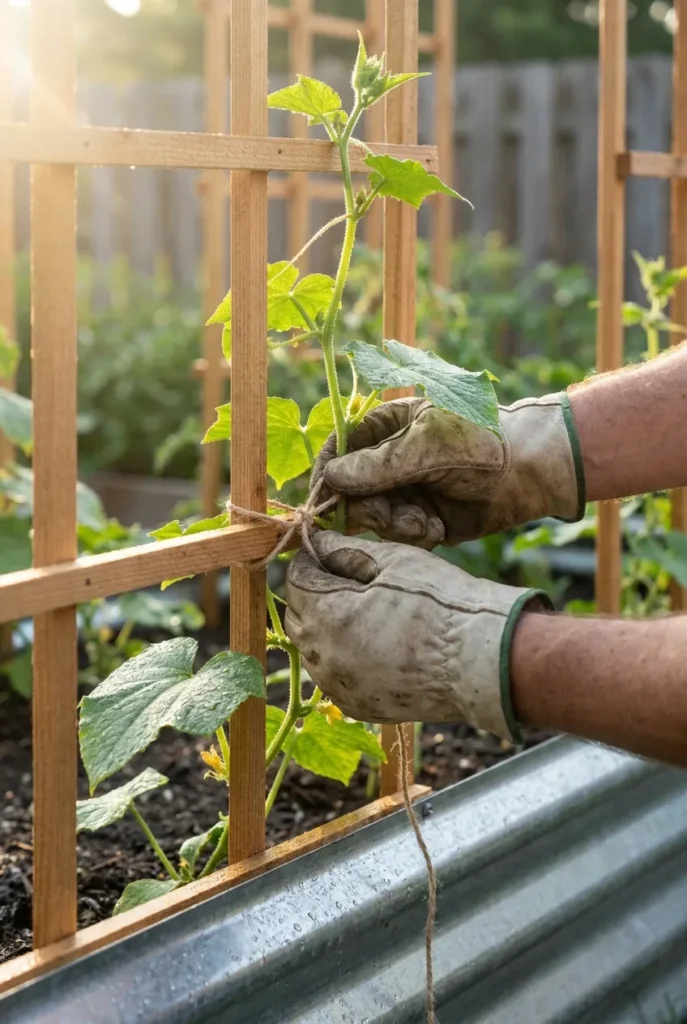
The Best Raised Garden Bed Trellis Types (and What Climbs Each One)
Not every trellis suits every crop. Match the structure to the plant and both thrive.
A-Frame Trellis
An A-frame straddles the bed like a tent. You get two climbing faces plus a shaded pocket underneath, which is perfect for a second crop of lettuce that would otherwise bolt in July. Peas and pole beans grip the sides easily.
Fold it flat at season’s end and it stows in the garage. Two cedar 1×2 frames and a sheet of trellis netting get you there for under $30 in materials.
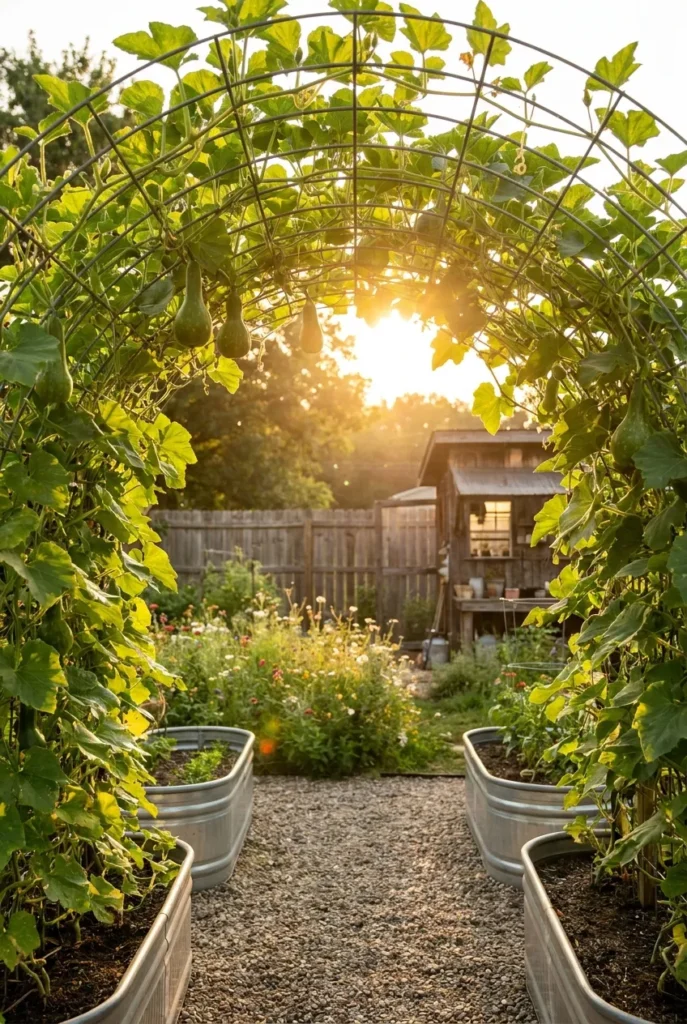
Cattle Panel Arch Trellis
This is the showpiece. A 16-foot galvanized cattle panel bent between two beds creates a walk-through arch that heavy squash and gourds can climb. Vego Garden and Birdies both sell metal beds that pair well with an arch spanning the gap.
The panel runs somewhere in the $25 to $40 range at Tractor Supply, and it lasts for years because it will not rot. You will need T-posts and zip ties or wire to anchor it.
Wire Panel or Grid Trellis
A flat vertical grid mounted along the back edge is the workhorse. It disappears behind the foliage, so it works whether your yard leans modern or rustic. Cucumbers, small melons, and indeterminate tomatoes all love a grid.
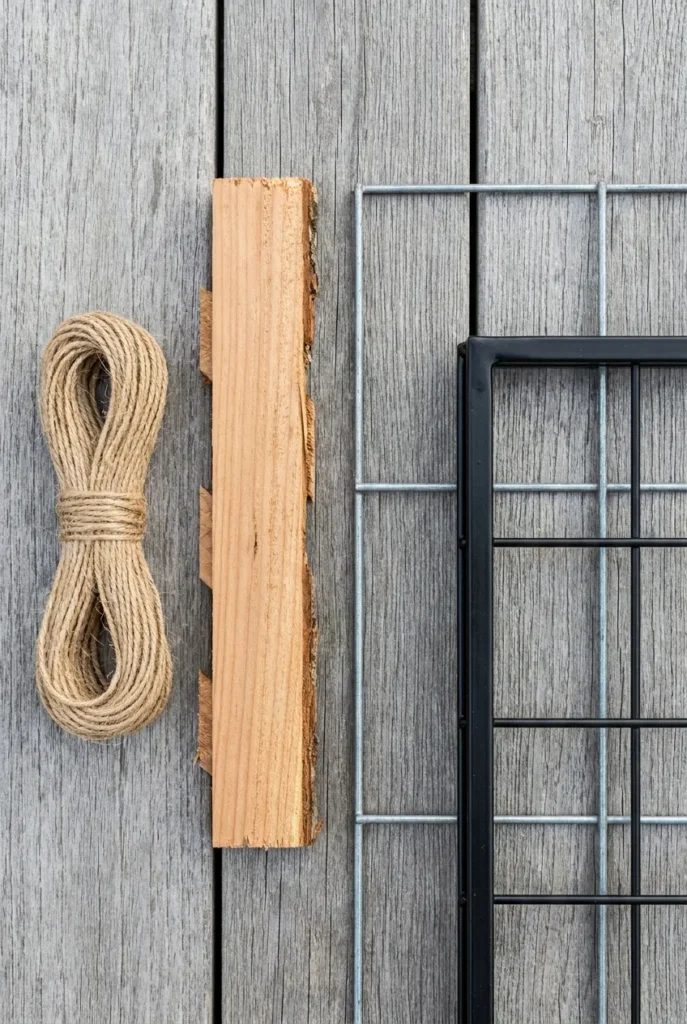
Cedar frame plus welded wire, or a ready-made metal grid, both do the job. This is the design most of those viral Pinterest “before to after” cucumber pins are using.
String and Ladder Trellis
String trellises are the cheapest way to go vertical. Run garden twine from a top rail down to each plant, clip the stem with tomato clips as it grows, and you have a tidy tomato wall for a few dollars. A ladder trellis leans against the bed and gives beans a rustic set of rungs.
If you want climbing flowers instead of food, the same structures work beautifully. We break down flowering trellis ideas for climbers in a separate guide.
The Back-Row Rule: A Simple Way to Place Any Trellis
Here is the framework I use so a trellis never shades the wrong plant. Call it the Back-Row Rule.
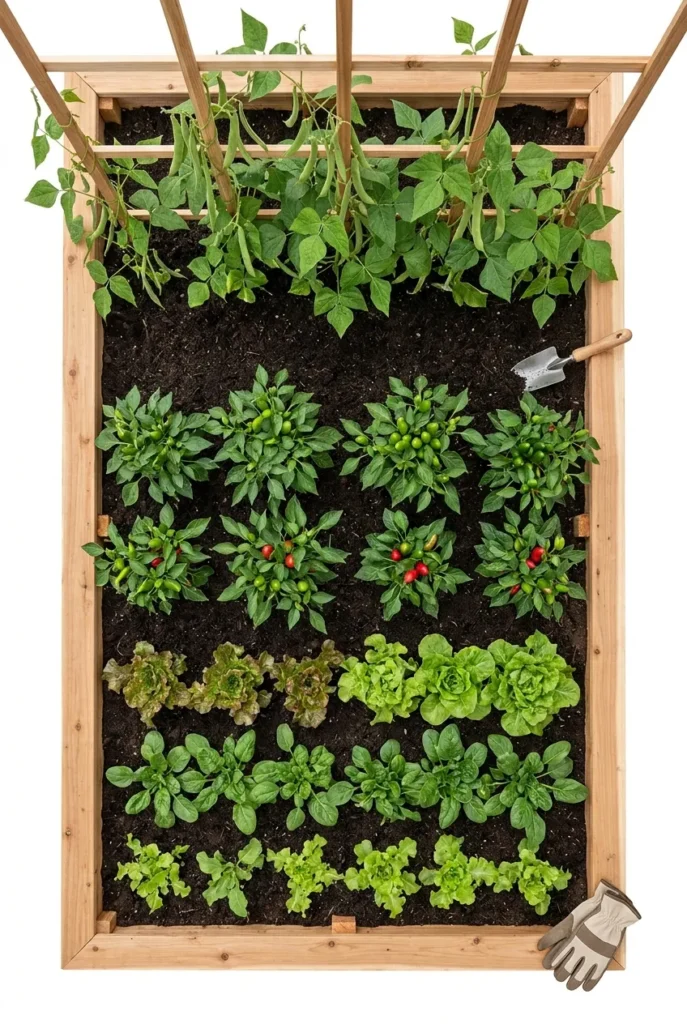
Put the trellis on the north or west edge of the bed. Tall climbers go there. Then step your plants down by height toward the sunny side: vining crops at the trellis, mid-height peppers in the middle, low greens and root crops at the front. Sun clears the top of the trellis and rakes down over everything else.
Three quick placements to memorize:
- North edge for a permanent grid or arch (best all-season sun sharing).
- East-west run for an A-frame so both faces get light.
- Front third of the bed stays trellis-free for your shortest crops.
Front-load this one because it is the single tip that saves a season: decide trellis placement before you plant, not after your beans are already leaning the wrong way.
Wooden Raised Garden Bed Trellis Ideas
Wood is the cozy classic. A cedar trellis built to match a cedar bed reads like one designed piece instead of a hardware-store afterthought.
Cedar resists rot without chemicals, which matters when the wood sits inches from your food. A rough cedar 2×2 frame with jute netting or lattice infill is the most beginner-friendly build there is. If you are starting the bed from scratch, our cedar raised garden bed plans walk through the bed itself.
Paint is fair game too. BHG featured a gardener who painted her trellises a bold shade to add architecture above the tomatoes. Use a primer and two coats of exterior paint so it survives the weather.
I built my first cedar grid trellis from leftover 1x2s and lattice for right around $22, and it has held up through three Zone 6b winters.
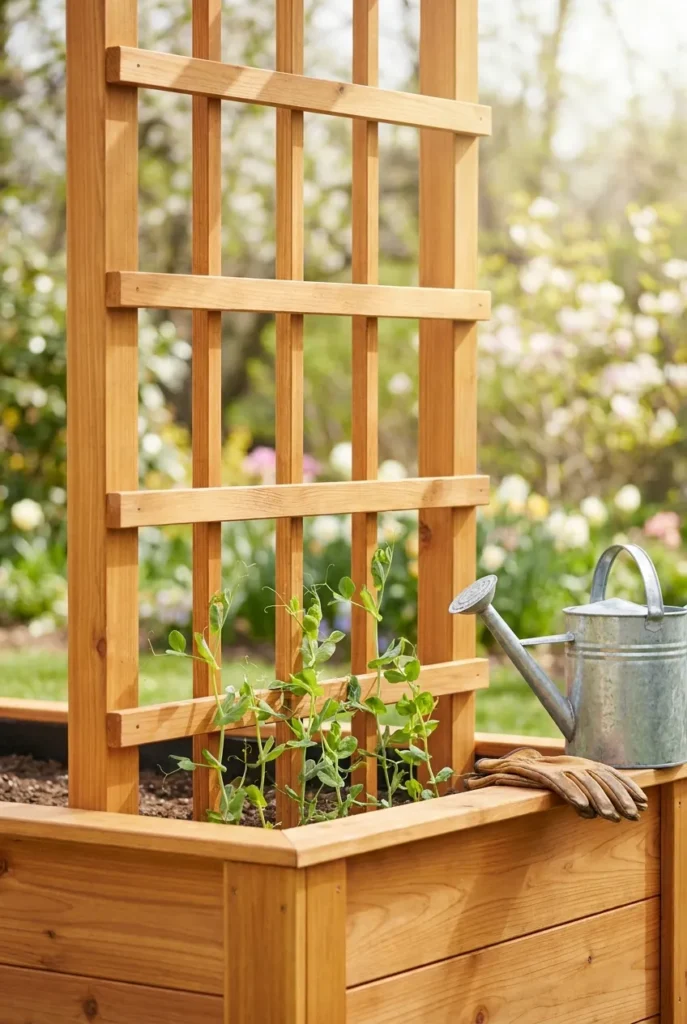
Metal Raised Garden Bed Trellis Ideas
Metal wins on lifespan. A galvanized grid or a steel arch shrugs off rain and will likely outlast the bed. It also gives a modern, architectural look that suits galvanized beds from brands like Vego Garden or Birdies.
Cattle panel is the budget metal hero, as covered above. For a finished look, powder-coated steel grid panels run in the $40 to $90 range depending on size and are essentially plant-and-forget.
One caution: bare cut metal edges can be sharp, so file them or cap them before you are reaching in to harvest.
DIY Cucumber Trellis and Cheap Options
You do not need a big budget. The cheapest working trellis is twine and two stakes, and it holds a surprising amount of weight.
For a DIY cucumber trellis, lean a single cattle panel at a slant against the back of the bed. Cucumbers climb the sunny face and the fruit hangs straight down underneath, clean and easy to spot. That slanted-panel trick is exactly the “cleaner cucumber trellis” style flooding Pinterest right now.
Other cheap swaps that work as a trellis:
- An old wooden ladder leaned against the bed for beans.
- A section of leftover fence panel or hog wire on T-posts.
- Bamboo poles lashed into a teepee for a container corner.
Match the climber to your structure and check spacing, since crowded vines invite disease. For a full planting plan, see the best vegetables for raised beds, and note the trellis spacing for climbing peas if peas are on your list.
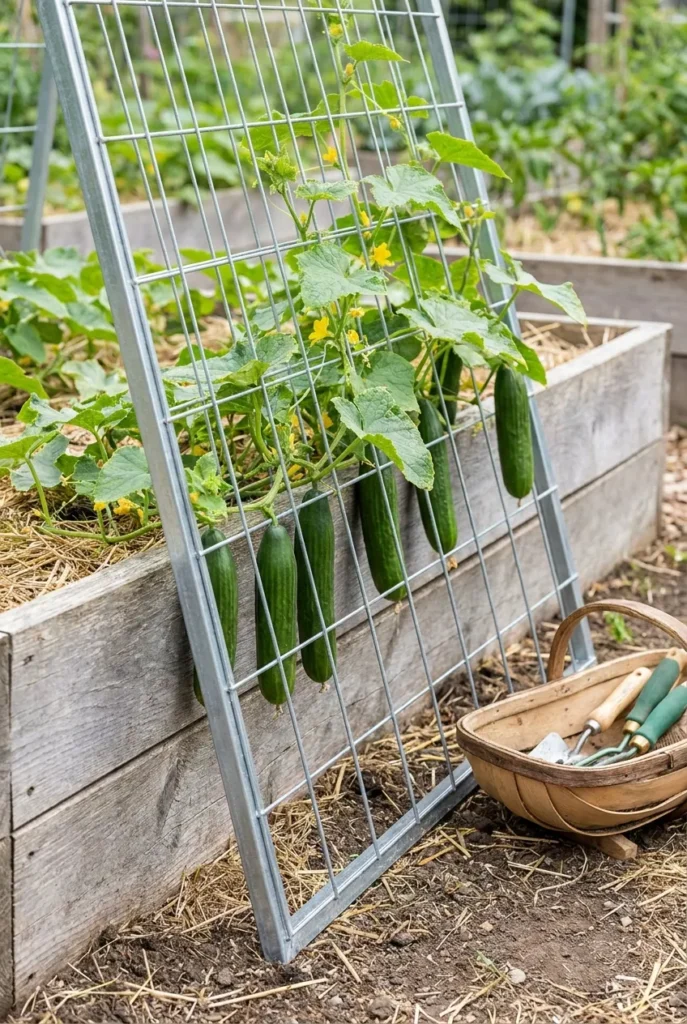
When and How to Attach a Trellis to a Raised Bed
Timing first. Set the trellis at planting time, or even before. Sinking posts next to established roots tears them, and vines that start climbing late never fully catch up.
Attachment depends on the material. For wood beds, screw a wooden frame directly to the inside or outside of the bed wall with corrosion-resistant deck screws. For metal beds, use U-bolts or heavy zip ties around the frame. For freestanding arches and panels, drive T-posts 12 to 18 inches into the ground and wire the panel to them so summer storms do not fold it over.
Anchor deeper than you think you need. A cucumber-loaded panel catches wind like a sail.
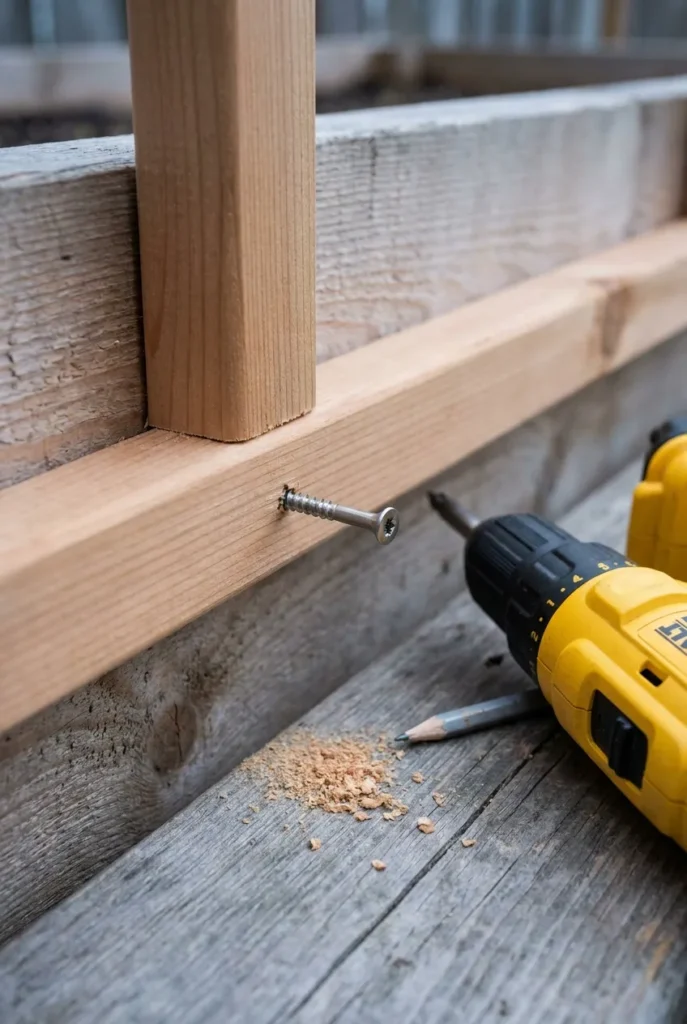
What to Grow on a Raised Bed Trellis
Climbers with tendrils or twining stems do the work for you. Pole beans, peas, cucumbers, small melons, and indeterminate tomatoes are the reliable crew. Peas and beans grab on by themselves, while tomatoes and melons need a little tying or a sling for heavy fruit.
Zone timing matters. In Zones 5 to 7, direct-sow peas at the trellis base a few weeks before your last spring frost (usually mid-April in Zone 6), then swap in beans or cucumbers once the soil warms. Frost dates shift by year and micro-location, so confirm yours against the USDA Plant Hardiness Zone Map or your local extension before you commit a planting date.
In my Zone 6b garden I sow ‘Sugar Snap’ peas at the trellis around April 10 and follow with ‘Kentucky Wonder’ beans in late May on the same structure
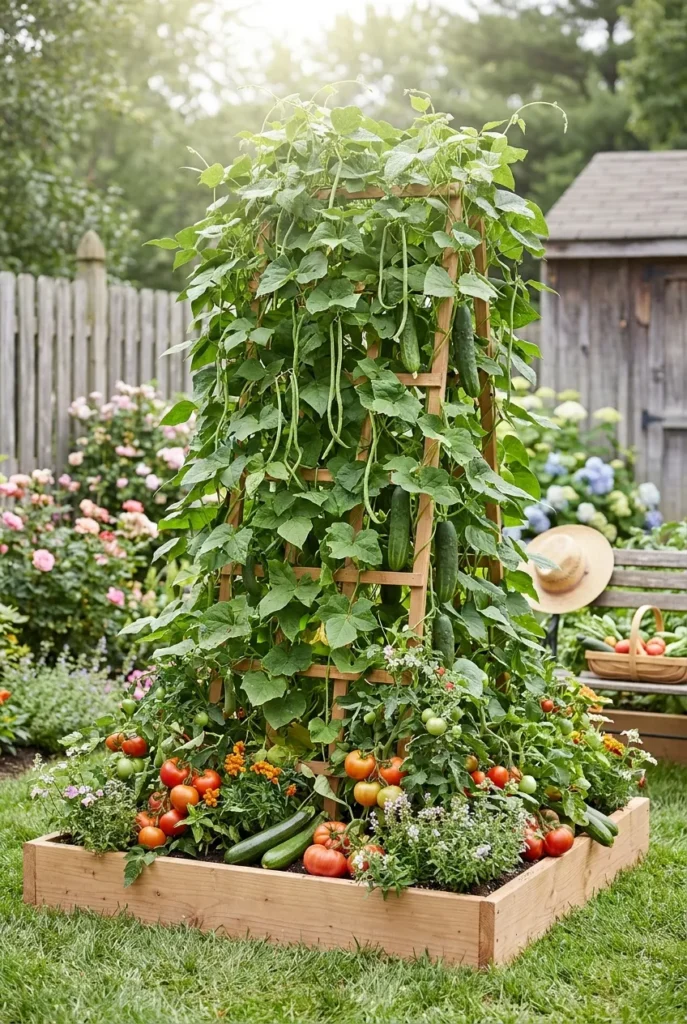
Cheap vs Built-to-Last: A Quick Cost and Lifespan Snapshot
Screenshot this before your next hardware run.
| Trellis type | Rough material cost | Lifespan | Best for |
|---|---|---|---|
| Twine + stakes | Under $10 | 1 season | Tomatoes, quick beans |
| Cedar grid frame | Around $25 to $35 | 5+ years | Cucumbers, peas |
| Cattle panel arch | Around $25 to $40 | 10+ years | Squash, gourds, melons |
| Powder-coated steel grid | Around $40 to $90 | 10+ years | Any climber, modern look |
Prices are 2026 US ballparks and shift with size and store, so treat them as tiers, not quotes. The pattern holds regardless: spend a little more up front on metal and you basically stop buying trellises.
Frequently Asked Questions
What is the best trellis for a raised garden bed?
A cattle panel arch or a flat wire grid is the best all-around pick. Both are strong enough for heavy climbers, last for years, and share sunlight well when placed on the back edge. For a lighter build, a cedar A-frame is the friendliest starter.
How do you make a trellis for raised beds?
Build a simple frame from cedar 1x2s or 2x2s sized to your bed, staple or wire trellis netting across it, then screw the frame to the bed wall with corrosion-resistant screws. For a no-frame version, drive two T-posts and stretch netting or twine between them.
What can I use instead of a trellis?
Plenty of everyday items work: an old wooden ladder, a leftover fence or hog-wire panel, a bamboo teepee, or garden twine run from a top rail to each plant. Tomato cages also stand in for smaller climbers.
How do you make a cheap trellis?
Twine and two stakes is the cheapest route, often under $10. Run string vertically from a top crossbar down to each plant and clip the stems as they grow. A single leaned cattle panel is the next step up and still budget-friendly.
Will a trellis shade the rest of my bed?
Only if you place it wrong. Put it on the north or west edge and step plants down by height toward the sun, and the trellis shares light instead of blocking it.
How tall should a raised bed trellis be?
Four to six feet above the soil suits most climbers. Cucumbers and pole beans happily fill 6 feet, while peas top out closer to 4.
Start With One Panel and One Climber
You do not have to trellis the whole garden this weekend. Pick one bed, add one panel on the back edge, and plant one climber you actually want to eat. That single change will show you how much more a raised bed can grow once you build upward.
Save your favorite design from the ideas above, grab your materials, and give your vines somewhere to go. Which trellis are you trying first?