What to Plant in Raised Garden Beds in Summer: My Zone-by-Zone Cheat Sheet
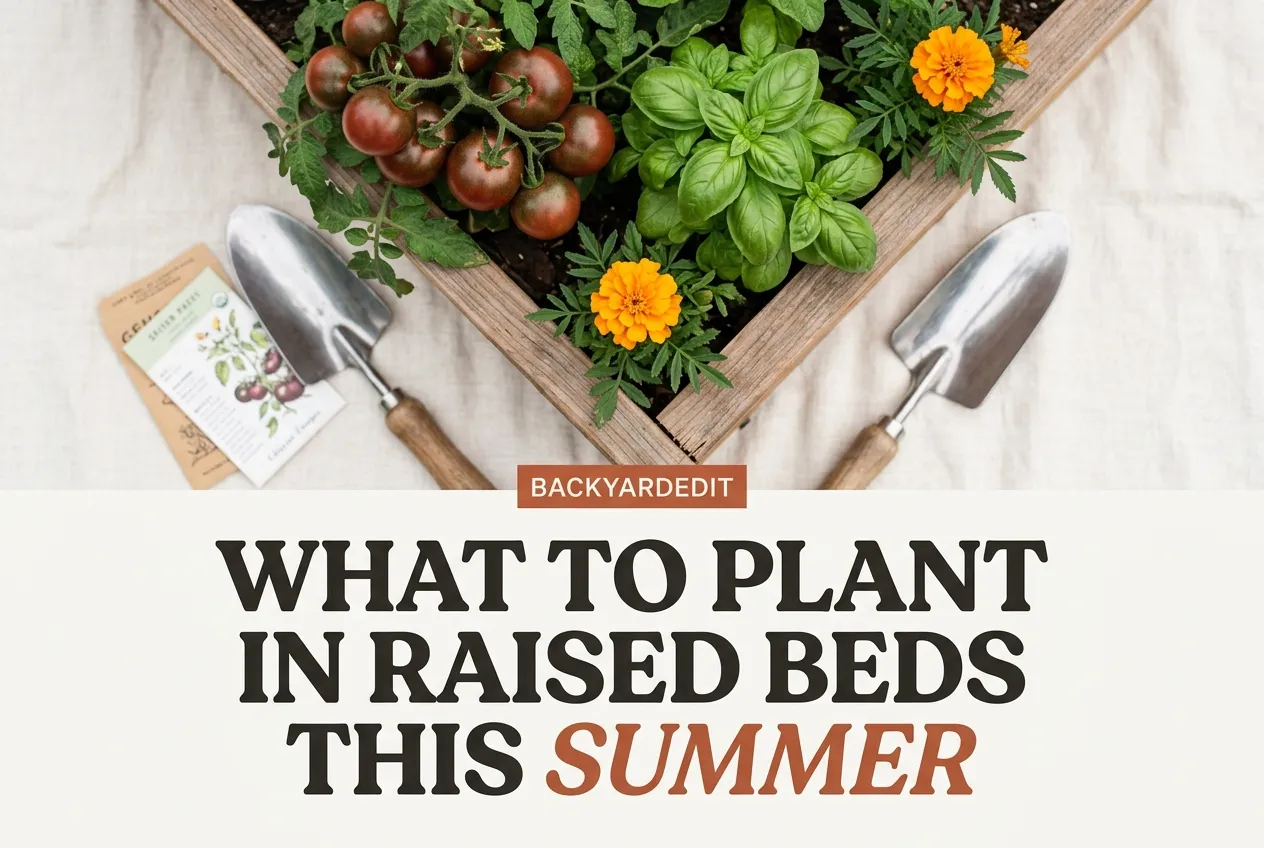
What to plant in raised garden beds in summer comes down to one question your spring plant list never asked: how much heat can it actually take? My Vego Garden metal bed heated up so much in July that the basil on the south edge bolted by the third week, and that was the season I rewrote my entire summer planting list. Raised beds run 5 to 15 degrees hotter than in-ground gardens once the sun starts hammering them, especially the metal kind, so the lettuce and peas that crushed it in April will collapse by June.
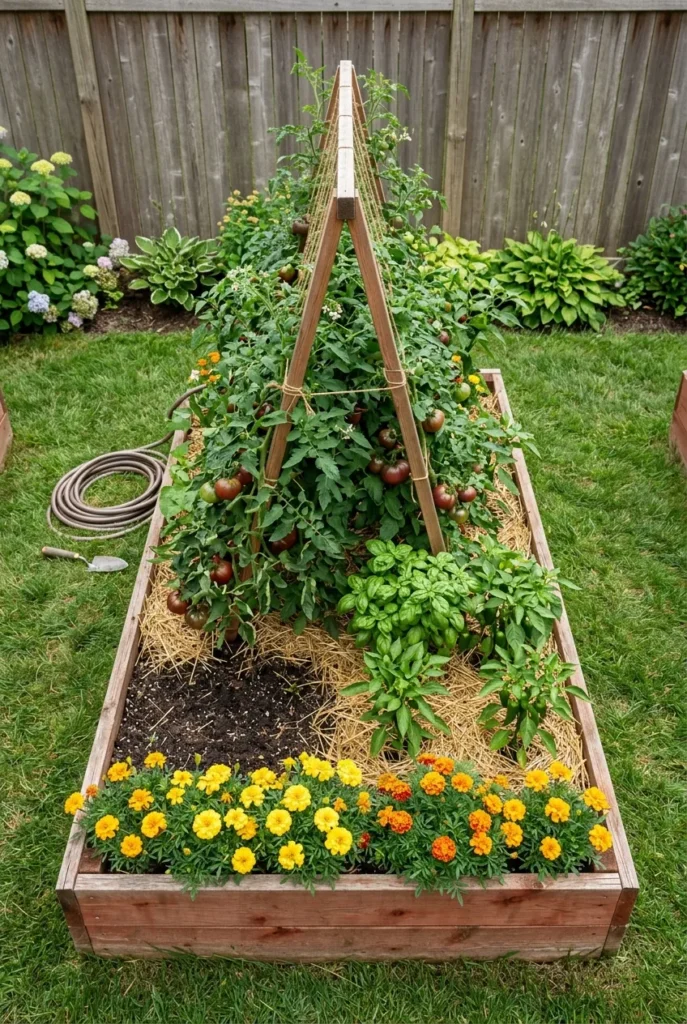
The good news? Summer is prime time for the heaviest hitters in the vegetable world. You just need to know which ones love the heat, which ones tolerate it, and which ones to swap in when your spring crops are done. Before we get into the plant list, double-check that your beds are deep enough for what you’re about to plant. Most summer crops want at least 12 inches of soil, and our guide on how deep a raised garden bed should be breaks it down by crop.
Why Summer Raised Beds Need a Different Plant List Than Spring
Once the soil temperature in a raised bed hits 75 to 85 degrees, cool-season crops start to suffer. Lettuce turns bitter and bolts. Spinach throws up flower stalks in days. Peas crisp at the leaf edges. The crops that take over are the ones that want hot feet and long days, which is exactly the conditions a raised bed delivers from June through August.
The trick is matching the plant to your zone. A summer in Zone 5 around Chicago runs hot for maybe 10 weeks, while a Zone 9 garden in Houston can grow heat-lovers for 6 solid months. Check your zone on the USDA Plant Hardiness Zone Map before you commit to anything that needs a long growing window, like watermelon or sweet potato.
Three more things about raised beds in summer that change the math:
- Soil dries out fast. Plan to water daily in July, twice a day if you have a metal bed in full sun.
- Roots can cook. Pale-colored beds and a 2-inch straw mulch layer help drop surface temps by 5 to 10 degrees.
- Vertical growing wins. Bush varieties save space, but trellising tomatoes and cucumbers doubles your yield per square foot.
The Best Heat-Tolerant Vegetables for Summer Raised Beds
This is the core list. Every plant below earns its square footage in a raised bed once daytime highs sit above 75 degrees.
Tomatoes
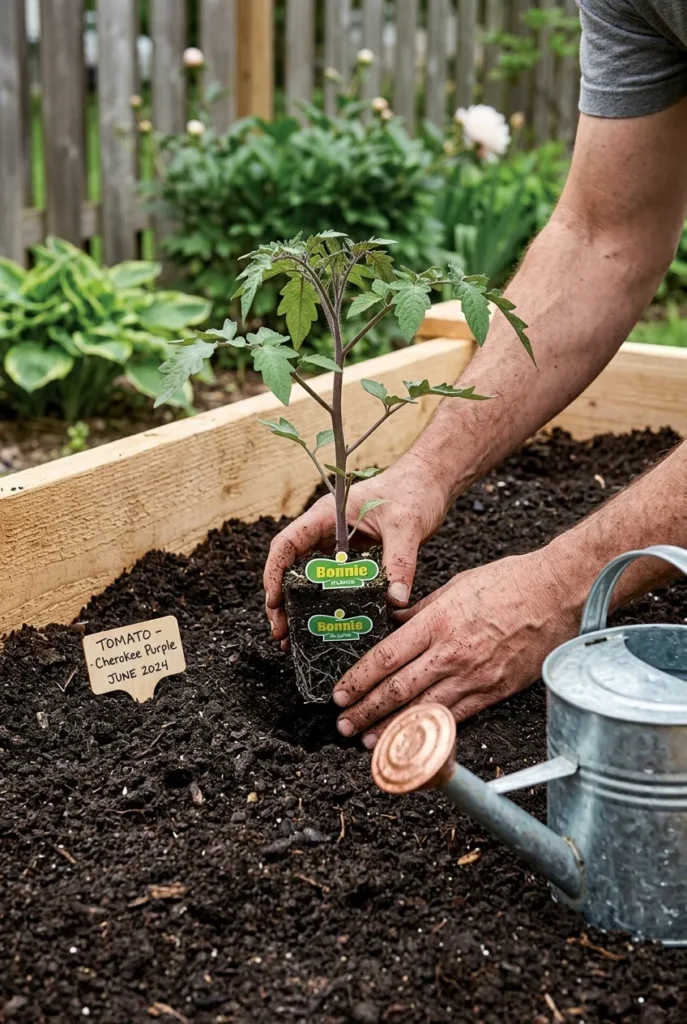
Indeterminate varieties like Cherokee Purple, Sungold, and Big Beef are the workhorses of a summer raised bed. They want 12 inches of soil depth, full sun (6 to 8 hours), and a sturdy trellis or cage. I’ve had my best yields with Bonnie Plants 4-inch transplants set 24 inches apart in a 4×8 bed. Six plants in one bed is the sweet spot. Eight is greedy and the air circulation suffers.
Sweet and Hot Peppers
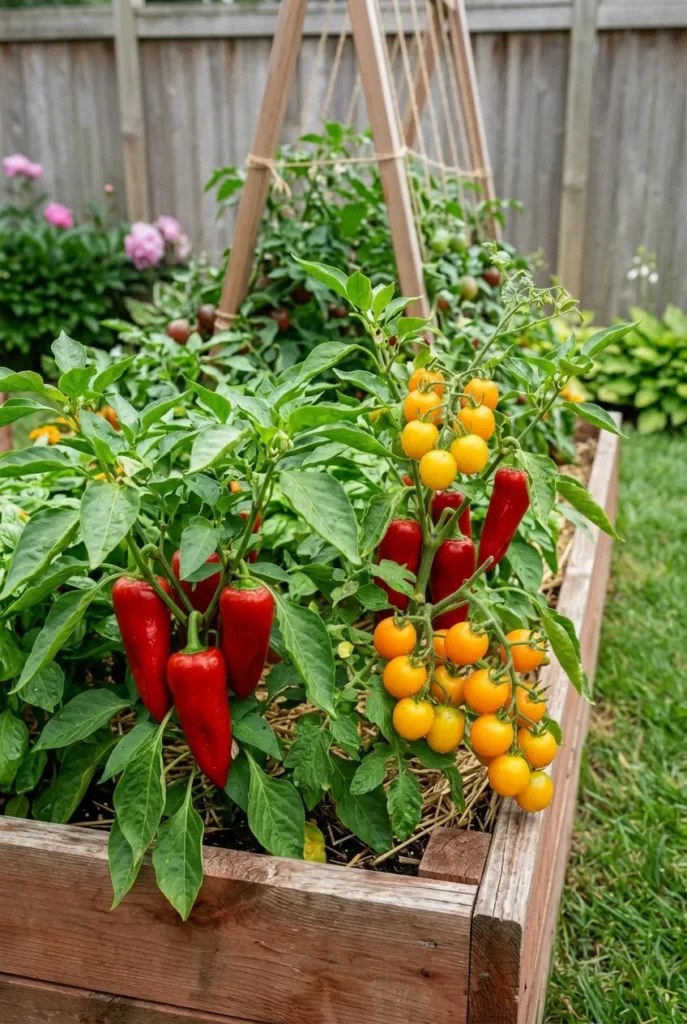
Peppers love a hot bed even more than tomatoes do. Carmen, Jalapeño, and Shishito all hold up well. Space them 18 inches apart, give them 12 inches of soil depth, and feed monthly with Espoma Garden-tone. They’ll set fruit through Labor Day in most zones.
Cucumbers
Bush varieties like Spacemaster work in a 12-inch deep bed, but vining types yield more if you trellis them up the back. Burpee Marketmore 76 is a reliable pick. Plan on watering daily once fruit sets, or the cucumbers turn bitter.
Bush Beans
Bush beans are the easiest crop you can plant in a summer raised bed. Direct sow Burpee Provider or Contender seeds once the soil hits 65 degrees. They’ll be ready in 50 to 55 days, which means a June 1 planting in Zone 6 gives you a Memorial Day-to-Independence Day-ish harvest window with almost no babysitting along the way.
Eggplant, Okra, and Sweet Potato
This trio is for serious heat. Eggplant wants 12 inches of soil depth and steady moisture. Okra (Clemson Spineless) handles 95-degree days better than almost anything else. Sweet potato slips planted by mid-June will produce 3 to 4 pounds per slip in a deep bed by October.
Tight on space? Our raised garden bed layout ideas for small backyards shows how to fit all of these into a single 4×8 footprint without crowding.
Summer Herbs That Actually Thrive in a 90 Degree Bed
Most herbs love a hot raised bed. The big exceptions are cilantro and parsley, which bolt the second the soil hits 75 degrees.
Heat-loving herbs to plant right now:
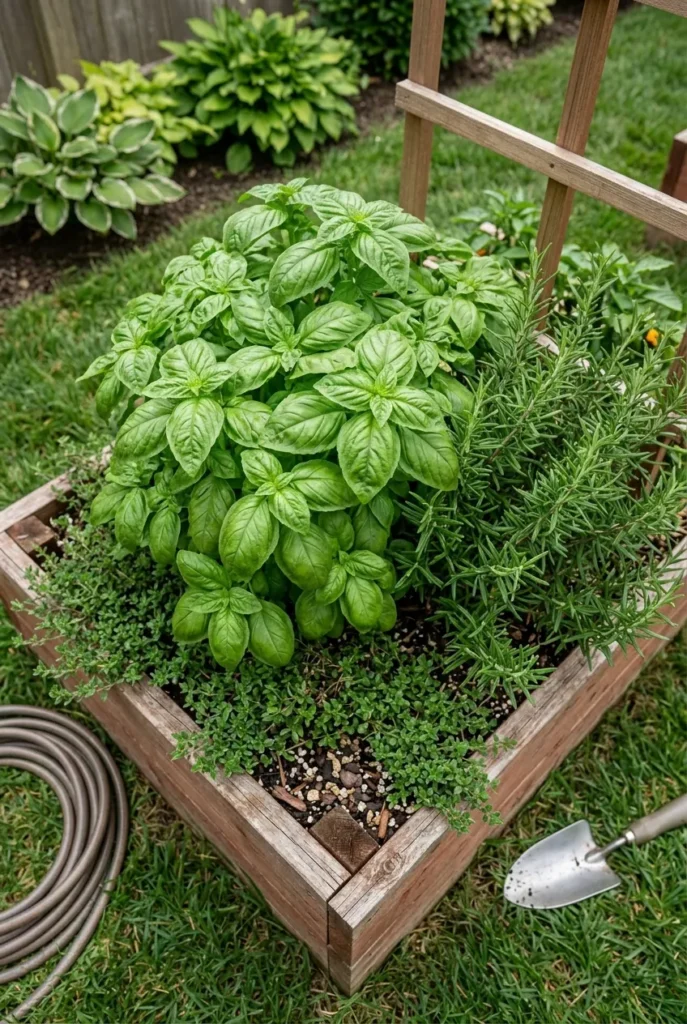
- Basil (Genovese, Thai, or Lemon). Companion plant with tomatoes for better flavor on both sides.
- Rosemary. Drought-tolerant once established. Plant once and harvest for years.
- Oregano. Spreads aggressively, so corner it in a raised bed or it’ll take over.
- Thyme. Loves dry feet. Skip the daily watering or it’ll rot.
- Sage. Pairs with peppers and beans. Woody and tough.
- Mint. Plant in a buried pot inside the bed, or it’ll choke everything out by August.
Penn State Extension has a solid breakdown of companion planting principles for vegetable gardens that’s worth reading before you slot herbs in next to your tomatoes and peppers.
A quick personal note on heat: my south-facing balcony fried four Bonnie Plants peppers in 10-inch terra cotta before I switched to 15-gallon fabric grow bags and added a 2-inch straw mulch layer. The mulch alone dropped soil surface temps by about 8 degrees on a July afternoon. Worth every penny of that $4 Scotts Nature Scapes bag.
Flowers Worth Tucking Into Your Summer Vegetable Bed
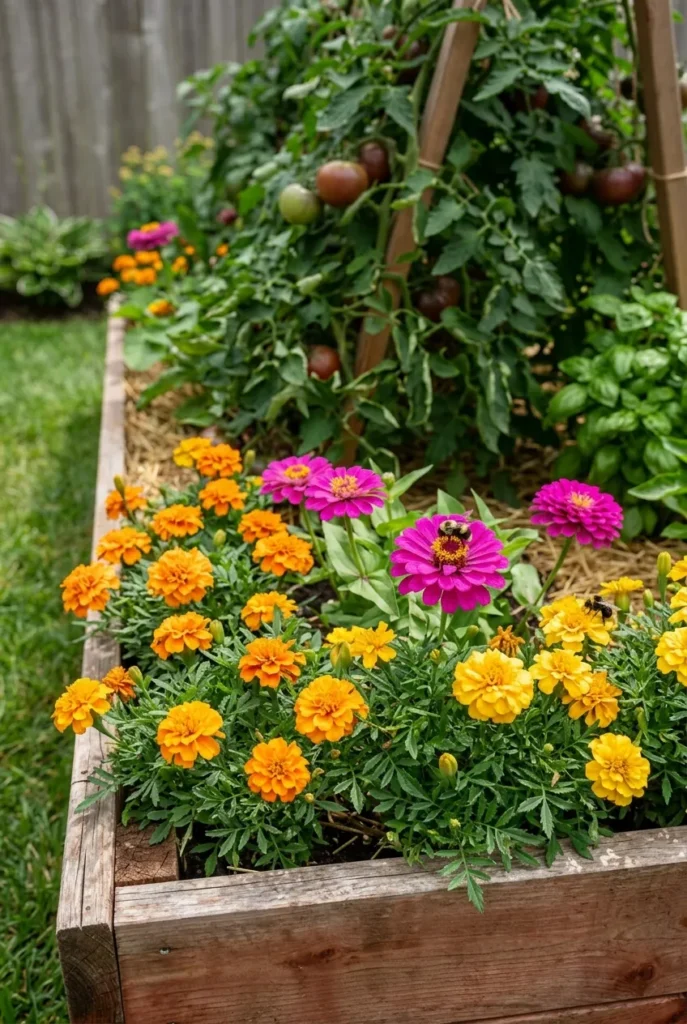
Flowers in a vegetable bed serve two jobs: pest control and pollinator bait. The best summer picks for a raised bed are tough, heat-loving, and earn their square footage even when squeezed into the 6 inches along the edge where you’d otherwise plant nothing useful.
- Marigolds (French and African). Their root exudates repel nematodes, which can shred tomato roots.
- Zinnias. Bumblebees love them, and the cut stems last a full week in a vase.
- Calendula. Doubles as a flower and a salad green.
- Nasturtium. Trap crop for aphids, plus the leaves and flowers are edible.
- Borage. Tomato magnet for pollinators. Bees can’t get enough.
Three marigolds in each corner of a 4×8 bed is the standard move. It just works.
The Mid-Summer Succession Swap-In Plan (For Beds That Are Already Half Empty)
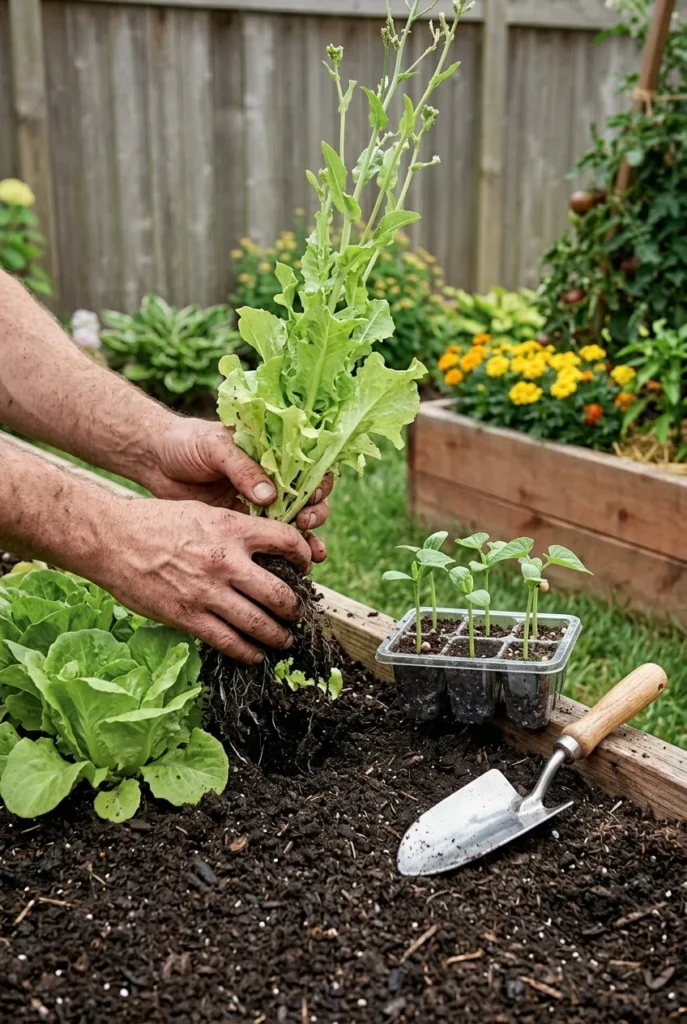
This is the question almost nobody answers: it’s mid-July, your lettuce has bolted, the peas are toast, and you’re staring at 4 square feet of empty bed. Now what?
Direct sow these heat-tolerant crops between July 10 and August 1 (Zones 5 to 8):
- Bush beans (50-day variety) for a Labor Day harvest
- Cucumbers (start indoors 2 weeks earlier, or direct sow Spacemaster)
- Summer squash (Black Beauty zucchini for a fast 45-day return)
- Swiss chard (Bright Lights tolerates summer heat better than spinach)
- Carrots for a fall harvest (sow into cool, shaded corners of the bed)
In Zones 9 and 10, you can push another round of okra, sweet potato slips, and Southern peas (black-eyed, crowder, pinkeye purple hull) right through August.
For corner spots that don’t fit a full plant, container varieties of patio tomatoes, peppers, and herbs are a perfect drop-in fix. Our breakdown of container gardening vegetables covers which varieties bounce back fastest after a mid-summer transplant. The trick is to harden them off for 4 to 5 days before they go in, because a coddled 4-inch transplant will collapse if you drop it straight from the greenhouse into 90-degree soil without acclimating it first.
What NOT to Plant in a Raised Bed in Summer
A few plants will waste your bed space, fight your other crops, or just die in the heat. Skip these from June through August:
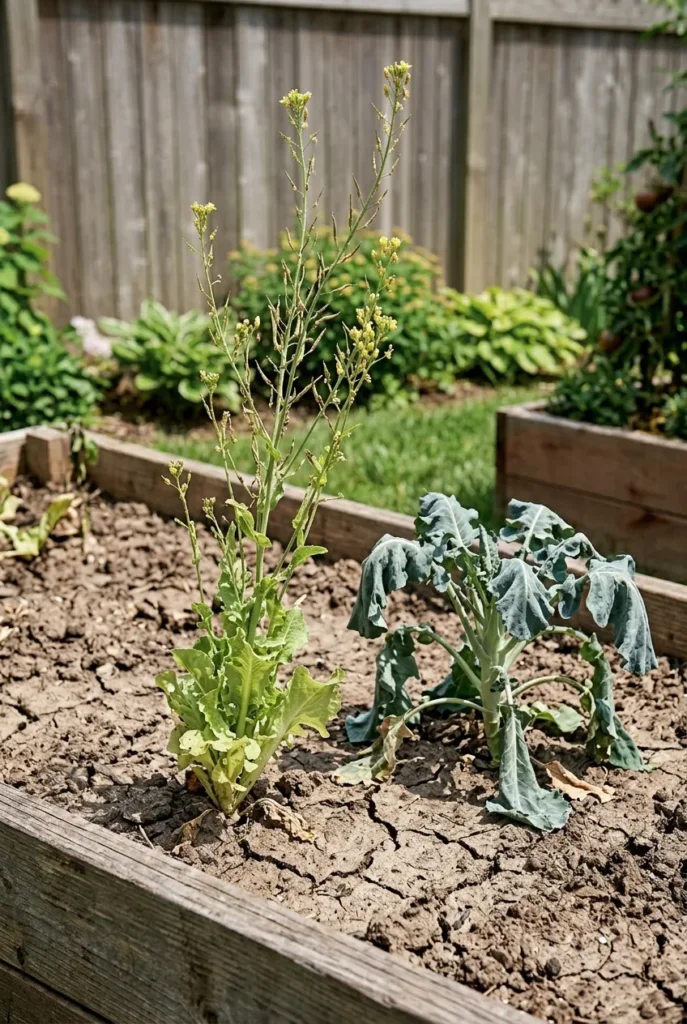
- Lettuce, spinach, arugula. They’ll bolt within two weeks of a 75-degree soil temp. Wait for fall.
- Peas. Done by June in most zones. Plant again in late August for a fall crop.
- Broccoli, cauliflower, cabbage. Cold-loving brassicas turn bitter and bolt.
- Mint (unless contained). It will literally take over your bed by Labor Day.
- Corn. Falls over in a 4×8 bed and wastes too much square footage per ear.
- Anything you’d plant in February. If it loved cool weather, it’ll hate July.
University of Minnesota Extension has a clear guide to growing cool-season vegetables that backs this up if you want the deeper science on why brassicas and lettuces flip their flavor profile once soil temps cross that 75-degree threshold.
Personal admission: self-watering EarthBox tomatoes outproduced my in-ground row 2 to 1 the summer of 2025, but I lost half a bed of broccoli that same June because I planted too late and the heads bolted before they sized up. Cool-season crops in July is just throwing money away. The Espoma soil cost me $30 across that bed, and the harvest was, generously, two stir-fries.
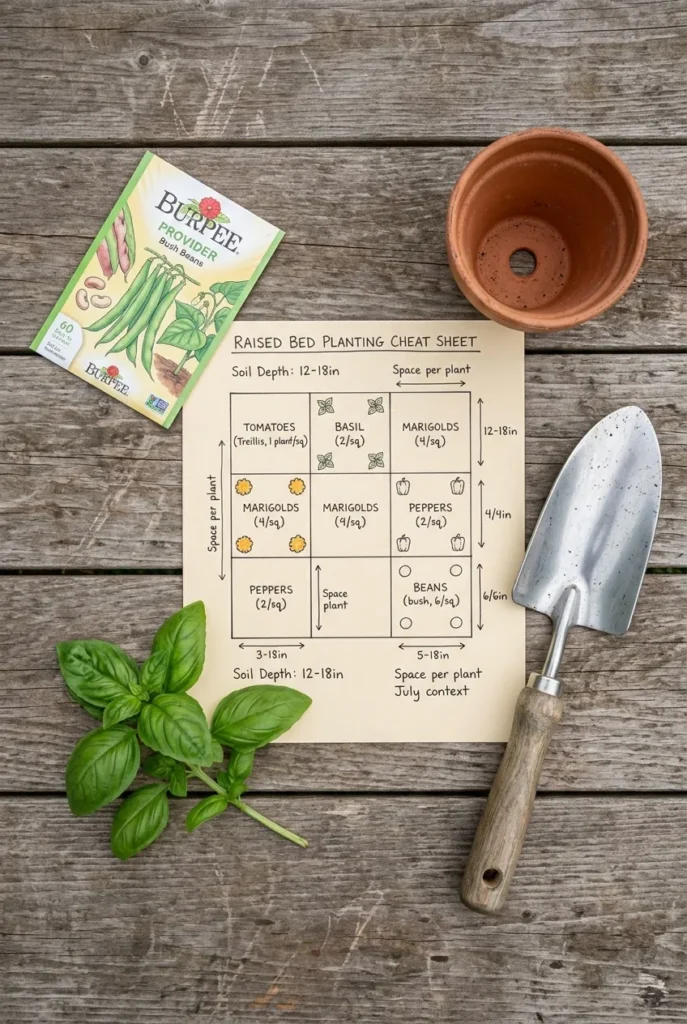
My Summer Raised Bed Cheat Sheet (Zones 5 to 9)
Save this one. It’s the screenshot version of every plant decision above, sorted by zone.
Zone 5 (Chicago, Denver, Boston)
- 5 reliable summer crops: bush beans, cherry tomatoes, peppers, cucumbers, zucchini
- Avoid: watermelon, sweet potato (season too short), full-size okra
Zone 6 (St. Louis, Cincinnati, NYC suburbs)
- 5 reliable summer crops: Cherokee Purple tomatoes, bell peppers, cucumbers, eggplant, bush beans
- Avoid: lettuce, peas, cool-season brassicas
Zone 7 (DC, Atlanta northern half, Nashville)
- 5 reliable summer crops: tomatoes, peppers, okra, sweet potato, Southern peas
- Avoid: spinach, broccoli, cilantro
Zone 8 (Dallas, Charleston, Portland)
- 5 reliable summer crops: okra, sweet potato, Southern peas, hot peppers, Malabar spinach
- Avoid: standard lettuce, broccoli, sugar snap peas
Zone 9 (central Florida, Houston, central California)
- 5 reliable summer crops: okra, sweet potato, Southern peas, peppers, eggplant
- Avoid: tomatoes during peak July to August (they drop blossoms above 92 degrees)
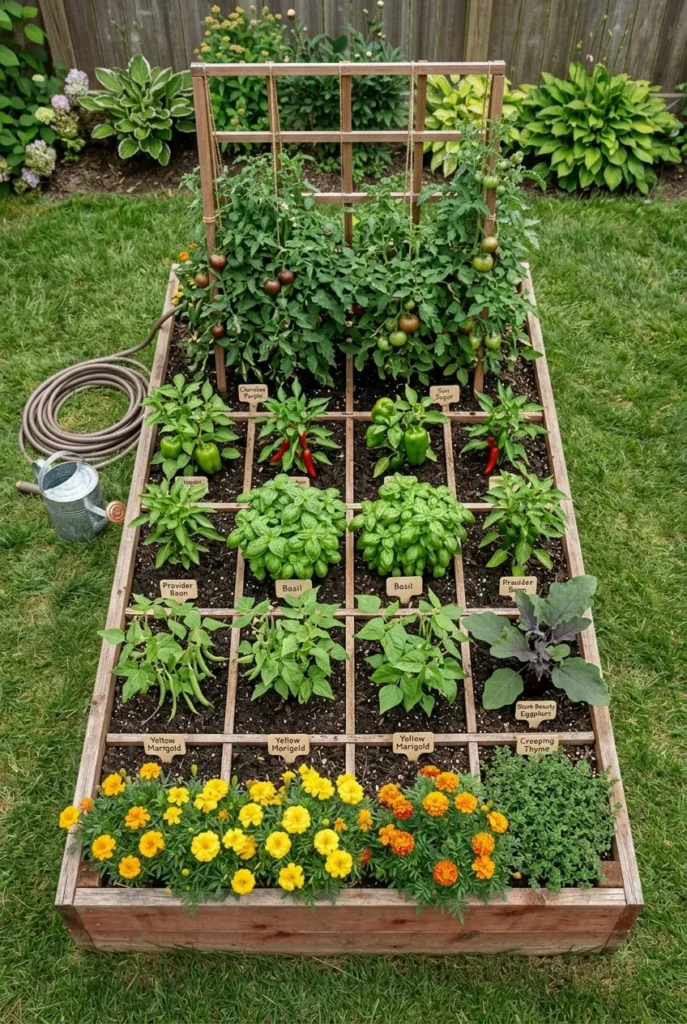
Soil depth across all zones: 12 inches minimum for fruiting crops, 6 to 8 inches for greens and herbs, 18 inches for carrots and sweet potato.
Three Summer Raised Bed Mistakes I Keep Seeing
Three things kill more summer raised beds than the heat itself.
1. Watering at the wrong time. Watering at noon evaporates 30 percent before it hits the root zone. Water deeply between 6 and 8 a.m., or after 6 p.m. Soak the soil, don’t sprinkle the leaves.
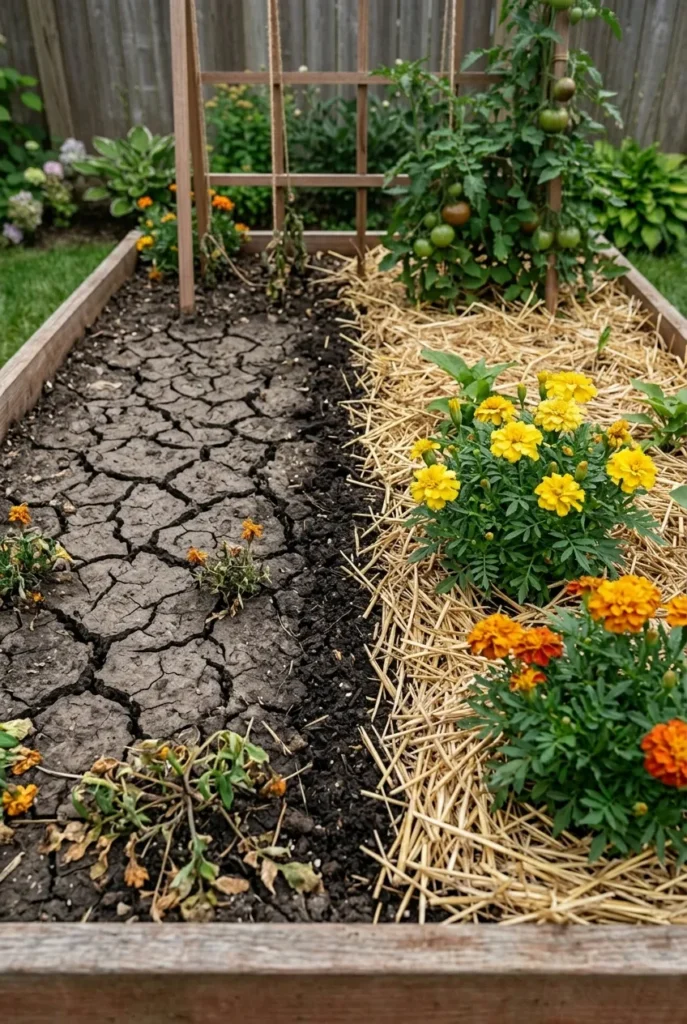
2. Skipping the mulch. A 2-inch straw or shredded leaf mulch layer drops soil surface temps by 5 to 10 degrees and cuts water use roughly in half. Scotts Nature Scapes mulch at $4 a bag is the cheapest insurance you can buy for a hot July bed.
3. Crowding the bed. A 4×8 bed holds 6 tomato plants, not 10. Crowded beds get powdery mildew, blossom end rot, and yields drop fast. Trust the spacing on the seed packet, even when the transplants look tiny.
What to Plant in Raised Garden Beds in Summer FAQs
What is the 70/30 rule in gardening?
The 70/30 rule says about 70 percent of your raised bed should hold productive food crops and 30 percent should go to companion flowers, herbs, or trap crops that support the system (marigolds, basil, nasturtium, borage). The split protects against pests and keeps pollinators around all summer.
Is it too late to plant in raised beds in summer?
Not even close. In Zones 5 to 8, you can direct sow bush beans, cucumbers, zucchini, and chard as late as August 1 and still pull a Labor Day harvest. In Zones 9 and 10, summer-planted okra and Southern peas will produce well into November.
What should you not grow in a raised garden bed?
Mint, oregano, and other aggressive spreaders (unless contained in a sunken pot). Corn (too tall, falls over, low yield per square foot). Pumpkins and large winter squash (one vine eats a whole bed). And any cool-season crop in July, since it will bolt before it sizes up.
What are three mistakes to avoid with raised beds?
Watering at noon, skipping mulch, and crowding the plants. Fix those three things and a raised bed will out-produce a comparable in-ground garden by a wide margin.
How deep should a raised garden bed be for summer vegetables?
12 inches minimum for tomatoes, peppers, eggplant, and cucumbers. 18 inches for carrots, sweet potato, and full-size winter squash. 6 to 8 inches works fine for shallow-rooted greens and herbs.
Do raised garden beds need a bottom?
No. Beds work better with the bottom open to the native soil, which lets roots reach deeper and drainage happen naturally. Lay down a layer of cardboard to smother grass when you set the bed, and skip the landscape fabric.
What is the best soil mix for a summer raised bed?
A 50-30-20 mix: 50 percent screened topsoil, 30 percent finished compost, 20 percent aeration (perlite, coarse sand, or pine fines). Bagged options like Miracle-Gro Performance Organics Raised Bed Mix ($18 a bag) or Coast of Maine Bumper Crop ($16) save the labor if you’d rather skip the DIY blend.
The Takeaway
Summer raised beds reward gardeners who plant for the heat instead of fighting it. Pick the right crops for your zone, mulch like you mean it, water early or late, and respect the spacing on the seed packet. Do those four things and a 4×8 bed will out-produce a 200 square foot in-ground garden by August.
Pair this plant list with a smart layout and a few budget tricks from our backyard ideas on a budget playbook, and you’ve got a full summer plan that costs under $200 to set up and feeds a family of four through October.
Related read: if you’re still building out beds, start with what to fill a raised garden bed with so the soil’s ready when the heat hits.